More review games/websites:
REVIEW VIDEOS: https://docs.google.com/a/nssd112.org/presentation/d/11qofqXj8GtzZCQeOEfVn-4xroOxHVTbct7udK-HvKYw/edit#slide=id.p
Created by: Lacey B. http://quizlet.com/15452037/science-by-lacey-flash-cards/
Website found by Mark H. http://elmhurst.edu/~chm/vchembook/120Adensity.html
Youtube video on Density: http://www.youtube.com/watch?v=Xa5ivjxtinM&feature=youtu.be
READ THIS ENTIRE PAGE!!!!!!!!!!!!!!!!!!!!!!!!!!!!
You will have a TEST on MONDAY, October, 29, 2012 AND TUESDAY, October 30, 2012. This TEST will be worth about 250 points. Questions will be: T/F, Multiple Choice, Fill In The Blank, and Short Answer/Essay.
Day 1, (Monday) will be the writing portion (fill in the blanks, graphing, identifying variables, math problems)
Day 2 (Tuesday) will be the True/False and Multiple choice.
***ALL 7th grade students (Wooten and Allen) will be taking the same test on the same days! ***
KEY TERMS: mass, volume, matter, length, meniscus, weight, density, line graphs, bar graphs, prefixes and meaning (kilo, hecto, etc), observe, qualitative, quantitative, infer, predict, classify, make models, communicate, venn diagram, flow chart, cycle diagram, concept map, steps of the scientific method, independent variable, dependent variable, controlled experiment, controlled variables, variable, hypothesis, data, density, metric conversions, bar graphing, line graphing, x-axis, y-axis,
WHAT YOU SHOULD STUDY:
1. The SCIENTIFIC METHOD: Where to get info: POWERPOINT NOTES that we completed in class - powerpoint is ON MY WEBSITE, notes and labs.
A. Variables
B. Controlled Experiments
C. Independent Variable
D. Dependent Variable
E. Hypothesis
F. How to write a procedure
G. How to create a data table
H. How to look for patterns in data
I. What is data?
2. ORGANIZING INFORMATION: Where to get info: pages 175 and 176 in your book, powerpoint online, your notes in class/spiral.
A. Venn Diagrams - how to make and when to use
B. Cycle Diagram - how to make and when to use
C. Flow Chart - how to make and when to use
D. Concept Map - how to make and when to use
3. THINK LIKE A SCIENTIST: Where to get info: Pages 158 and 159 in your book, powerpoint notes, Powerpoint is on my website
A. Observe
B. Infer
C. Predict
D. Make Models
E. Classify
F. Communicate
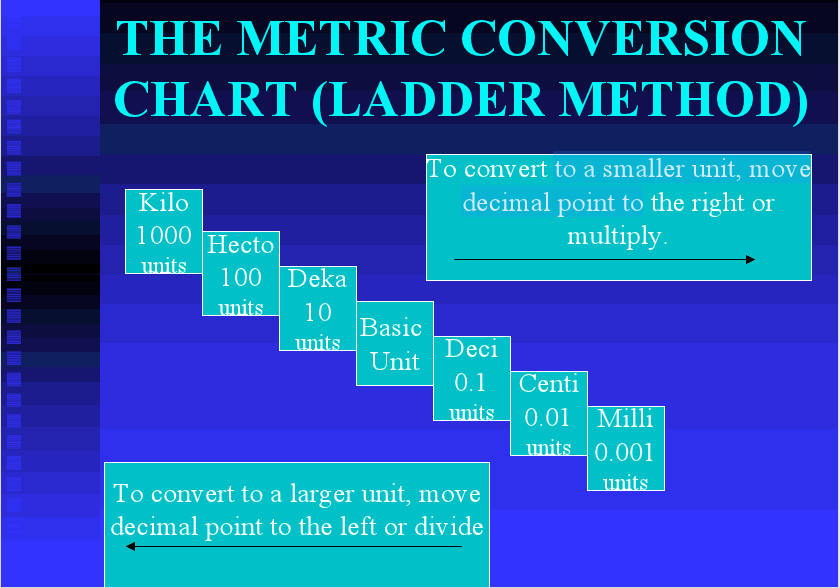
4. METRICS
A. Base units for mass, volume, and length
B. Abbreviations for units
C. Converting from one unit to the other
D. Prefixes - meaning and abbreviation Example: kilo = k = 1000
E. Tools used to measure mass, volume, length, temperature
F. How to measure mass, volume, length and temperature
G. How to determine what place value each tool can measure to
H. how to covert from celsius to Fahrenheit
5. GRAPHING
A. Identify the x and y- axis
B. Identify how to make a break in a graph
C. Identify when to make a bar graph vs a line graph
D. Know what variables are on each axis
E. Interpret results of a graph
6. DENSITY
A. Know the formula
B. Solve/ calculate the density of an object
C. know how to substitute units
D. know the density of water
E. identify why something sinks or floats
F. factors that influence density
Additional resources:
7. Any labs that you have completed.
8. Notes and Questions in your spiral/comp book.
9. Scientific Method powerpoint found here: https://sites.google.com/a/nssd112.org/mrs-allen-7th-grade-science/powerpoint-notes-class-notes
10. Think Like a Scientist Powerpoint found here: https://sites.google.com/a/nssd112.org/mrs-allen-7th-grade-science/powerpoint-notes-class-notes
11. Organizing Information POwerpoint found here: https://sites.google.com/a/nssd112.org/mrs-allen-7th-grade-science/powerpoint-notes-class-notes
12. Metrics - pages 160 - 161
13. Density notes pages 16 - 20.
14. Metric Note cards
I will keep updating this page!
FYI - I added website to the bottom of the review page - these are the games that students suggested to use as review!!!
You will have to be able to identify variables on your test.
You have review games to help you study.
|
|


