|
IGNEOUS ROCKS
Igneous rock Crystal Sizes
Phaneritic = Coarse grained (large crystals) = The rock is INTRUSIVE – it cooled slowly, deep down
Aphanitic = Fine grained (small crystals) = The rock is EXTRUSIVE – it cooled quickly, at the surface
Porphyritic = Fine grained with some large crystals mixed in = The rock began cooling underground and finished cooling on the surface.

MINERAL COLOR FOR IGNEOUS ROCK
FELSIC = light-colored minerals = granitic-type rocks such as granite and rhyolite
MAFIC = dark-colored minerals = basaltic-type rocks such as gabbro and basalt
INTERMEDIATE = mixture of light and dark minerals = dioritic-rock types such as diorite and andesite
SEDIMENTARY ROCK CLASSIFICATION
CLASTIC = Formed from broken pieces or rock fragments. Examples are conglomerate, sandstone, and shale.
ORGANIC = Formed directly or indirectly from material that was once living. May contain fossils. Examples are fossil limestone, chalk, and coal.
CHEMICAL = Formed when water evaporates and leaves mineral deposits. These rocks are called EVAPORITES. You don't have any of these below, but some examples would be rock salt (halite), gypsum, flint.
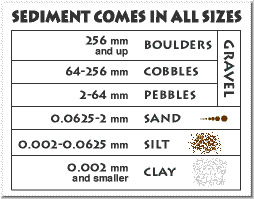
GRAIN SIZE CHART for SEDIMENTARY ROCKS
TRICKS, TIPS, AND HINTS for rock identification.
(These tricks, tips and hints are the last thing you should look for when identifying rocks. In other words, when you have a rock sample narrowed down to two possibilities, look for these indicators.)
The streak of a rock is the powder color of the rock. We determine the rock's streak by grinding it once or twice across either a white or black porcelain tile called a streak plate.
Determining the difference between slate and shale: Shale makes a brown streak on the streak plate and slate makes a gray streak.
Limestone makes a white streak on the streak plate. So does Basalt. Limestone will often contain fossils and basalt will never contain fossils. Basalt is almost black, while limestone is a lighter gray.
Sandstone is made of sand grains. You should be able to see the individual sand grains with a magnifying glass. Quartzite is the metamorphic version of sandstone, which is why they look similar. Quartzite will not have sand grains. It will have crystals that are actually grains that have been heated and compressed together, sometimes with a "smeared-out" apearance.
Gabbro and Harzburgite are also very similar. They are both intrusive and both mafic. Harzburgite has more of a mineral called olivine. Olivine is green. Harzburgite will have a greenish tint. Harzburgite also weathers to a rusty reddish-brown color. Gabbro will not have a greenish tint and it weathers to more of a beige or tan color.
ANDESITE OBSIDIAN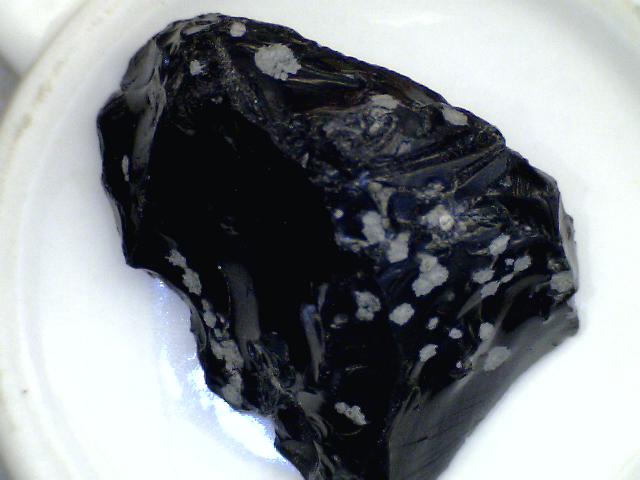 PUMICE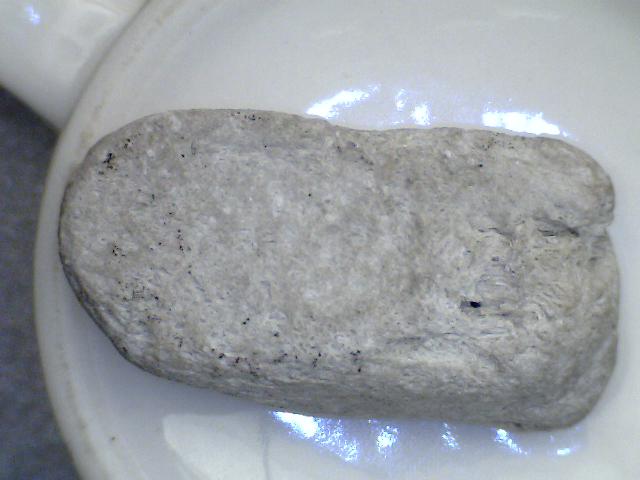 RHYOLITE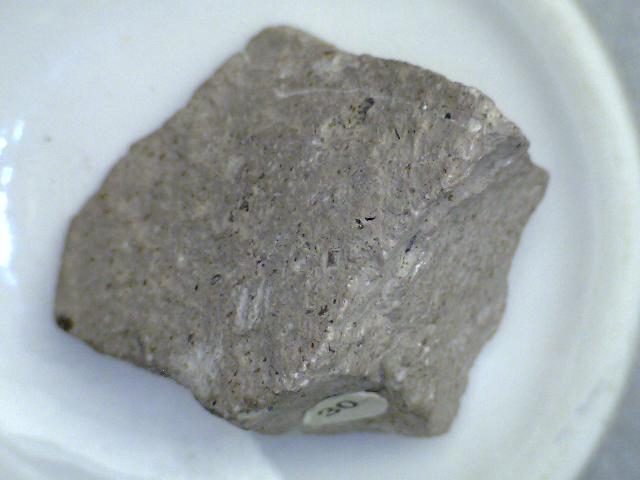 BASALT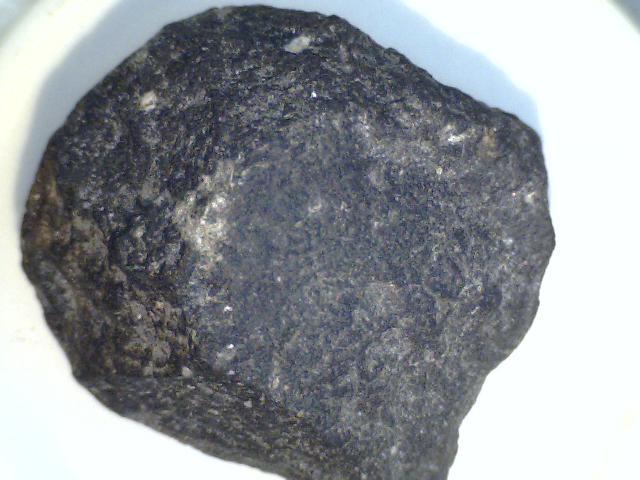 GRANITE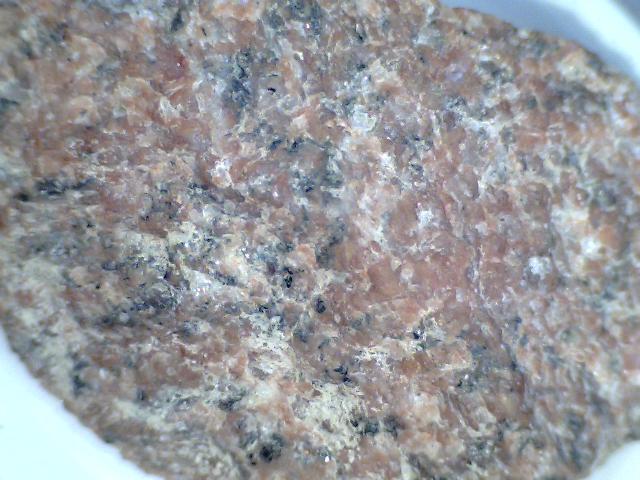 DIORITE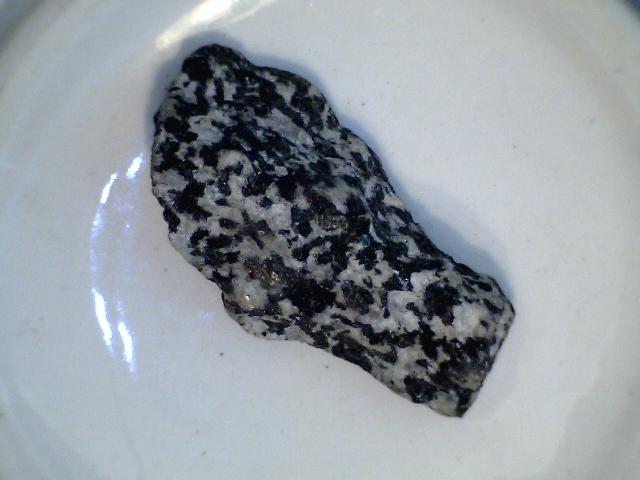 GABBRO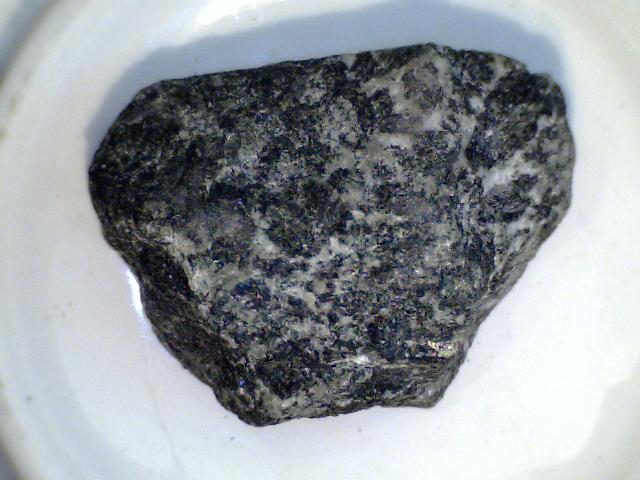 PERIDOTITE CONGLOMERATE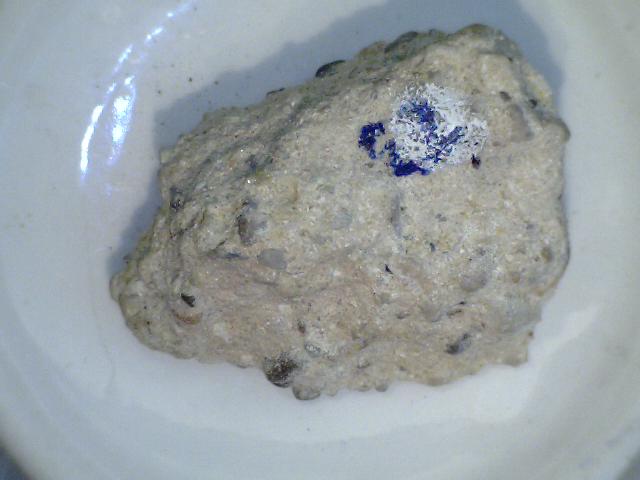 SANDSTONE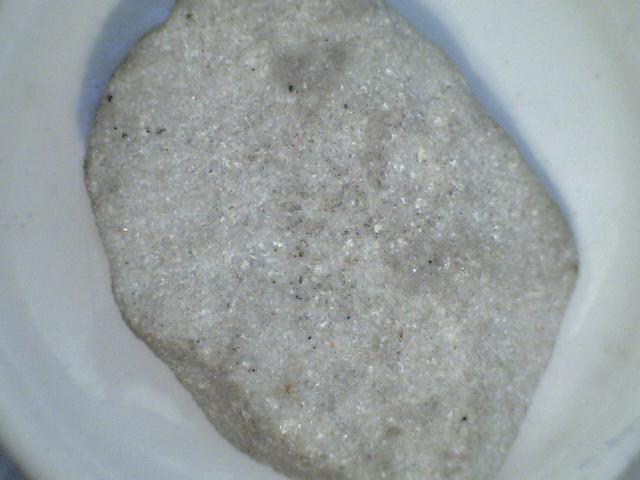 ARKOSE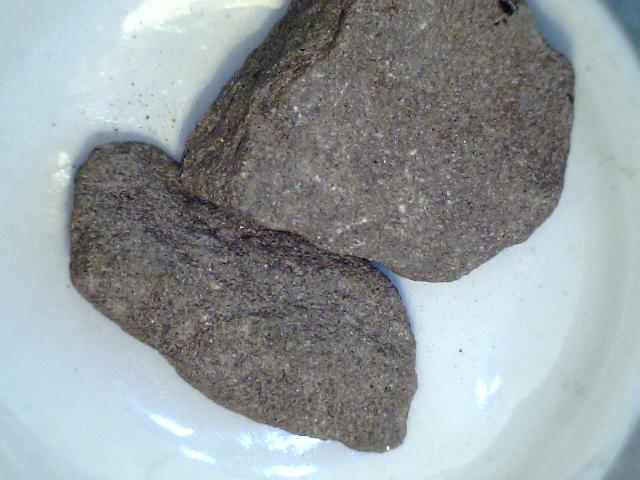 SHALE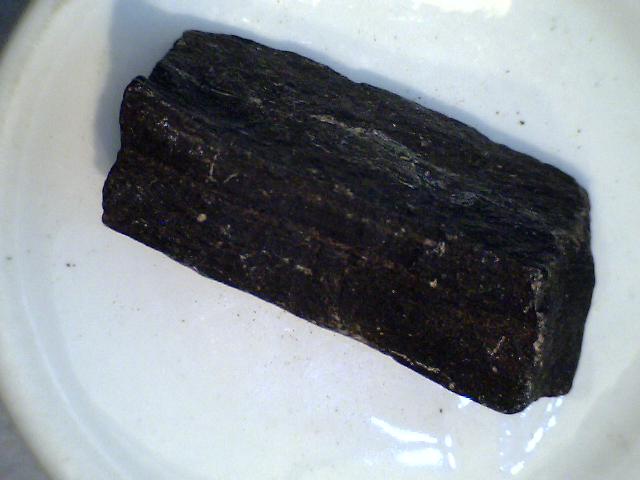 LIMESTONE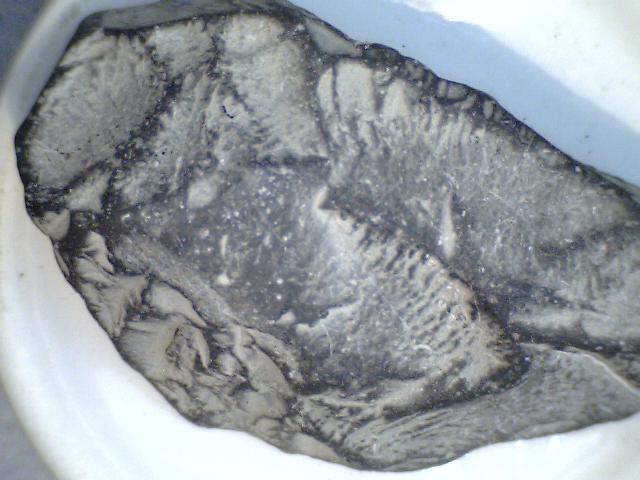 CALCAREOUS TUFA BITUMINOUS COAL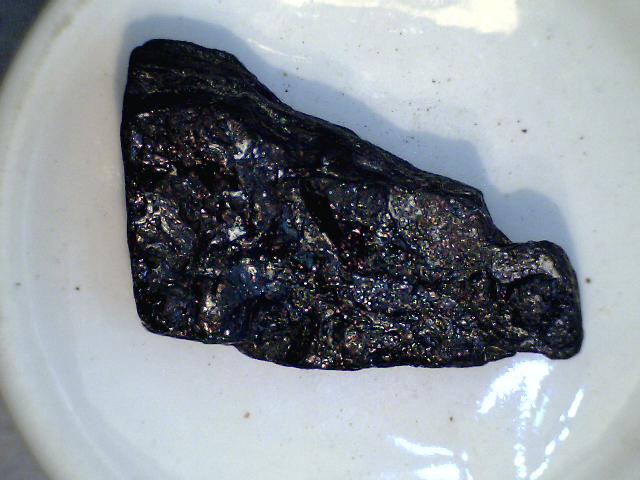 FOSSIL LIMESTONE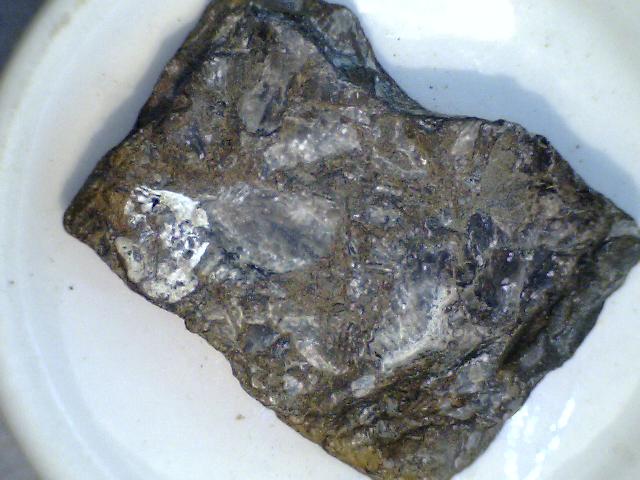 SLATE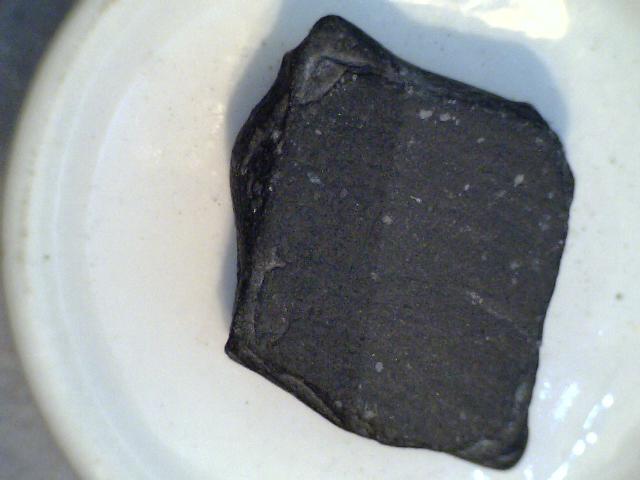 SCHIST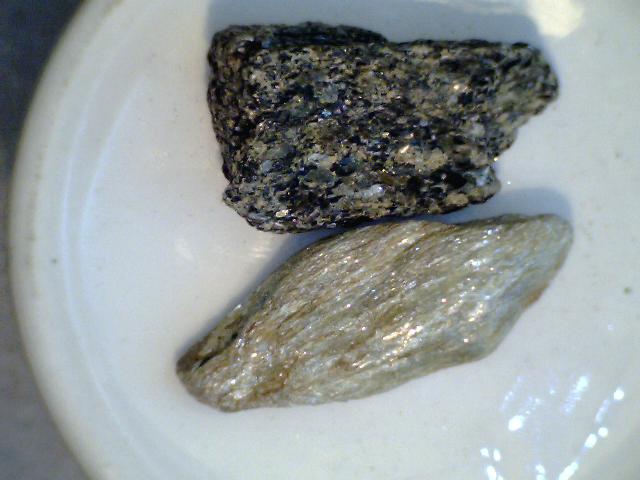 GNEISS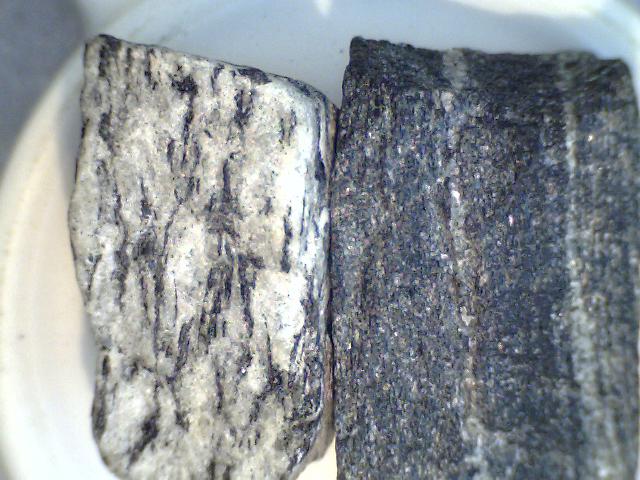 HORNFELS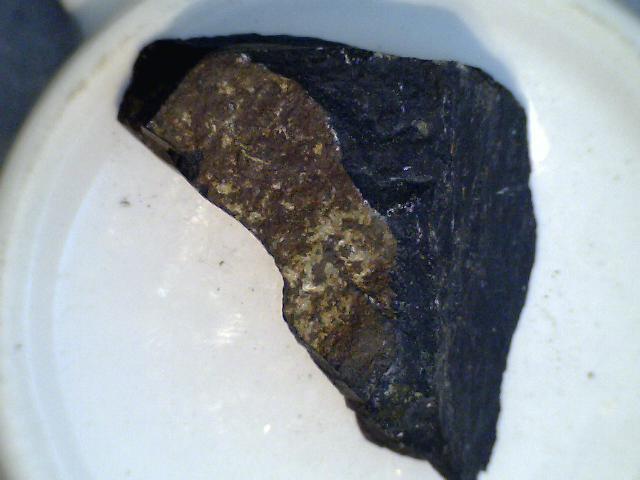 QUARTZITE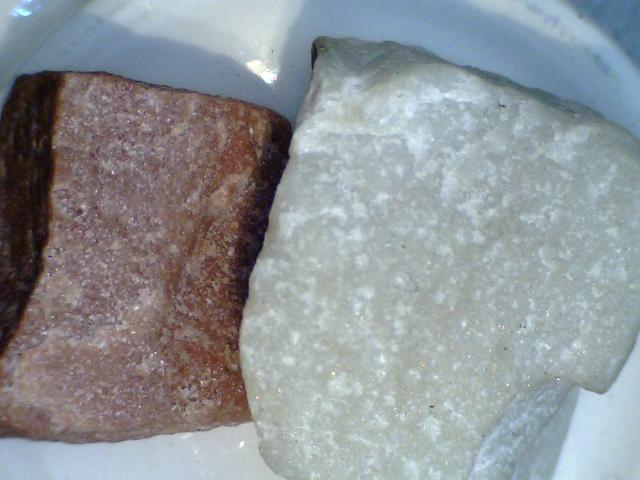 MARBLE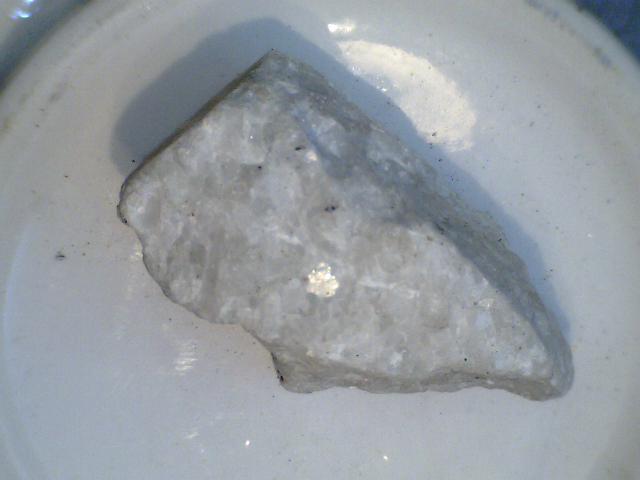
|
