|
MINERAL IDENTIFICATION
COLOR-Visible light spectrum radiation reflected from a mineral. TESTING METHOD-Look at the sample and determine its color - white, black, green, clear, etc.
STREAK-Color of the mineral when it is powdered. TESTING METHOD-Grind a small amount of a mineral into a powder on a porcelain streak plate and determine the color of the powder.
LUSTER-Character of the light reflected by a mineral. TESTING METHOD-Look at the sample to determine if the mineral is metallic in appearance (reflects light like polished metal), sub-metallic (looks like metal that is not polished or has been weathered) or non-metallic (doesn't look like metal at all).
HARDNESS-Resistance to scratching or abrasion. TESTING METHOD-Use minerals of known hardness from the Mohs Hardness Kits. Scratch the unknown mineral with a known hardness to determine which mineral is harder. Continue doing this with harder or softer minerals from the kit until the hardness is determined.
CLEAVAGE-Breakage of a mineral along planes of weakness in the crystal structure. TESTING METHOD-Examine the mineral for areas where the mineral is broken. Look for areas where the light reflects from planar surfaces. This can be easily confused with a crystal face and is the most difficult properties for students to master.
FRACTURE-Breakage of a mineral, not along planes of weakness in the crystral structure. TESTING METHOD-Examine the mineral for areas where the mineral is broken. Describe the breakage as either irregular or conchoidal (has the appearance of broken glass)
DIAPHANEITY-the way a mineral transfers light. In other words, is the mineral opaque, translucent, or transparent?
TEXTURE-The "feel" of the surface of the mineral. Is the mineral smooth, rough, jagged, chalky, soapy, fibrous, coarse?
SPECIAL PROPERTIES-Fluorescence is the minerals' ability to glow under UV light. Magnetism is the ability of a mineral to attract a magnet. Double Refraction is the ability of a transparent mineral to double the image as viewed through the mineral.
The following websites will be helpful in identifying your mineral specimens.
CLICK THIS TO HAVE A STEP-BY-STEP PROCESS TO IDENTIFY YOUR SPECIMENS
The minerals below correspond to the minerals in your specimen boxes.
BARITE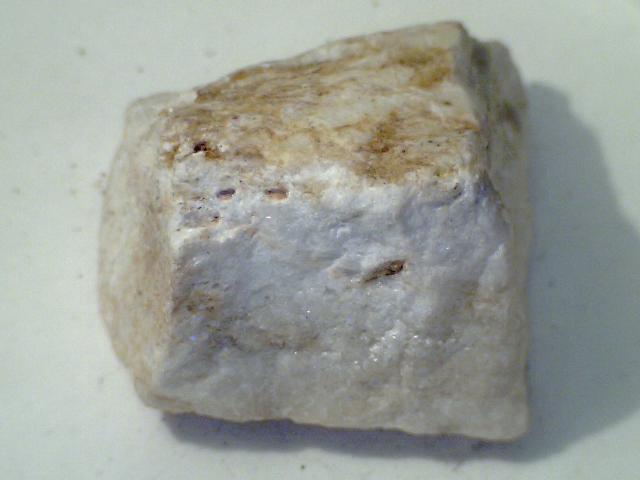
BAUXITE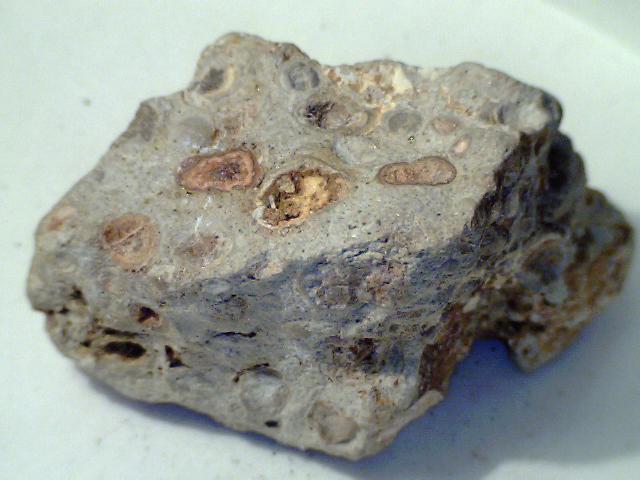
BIOTITE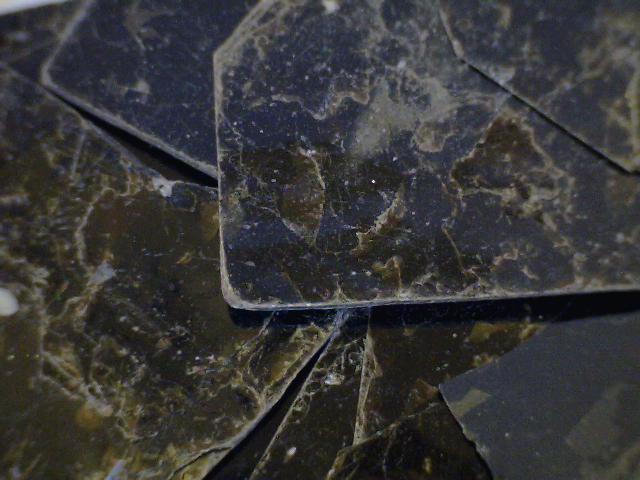
CALCITE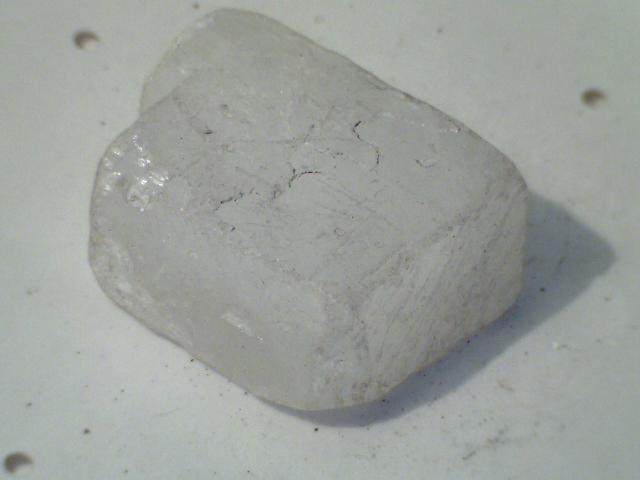
CHALCOPYRITE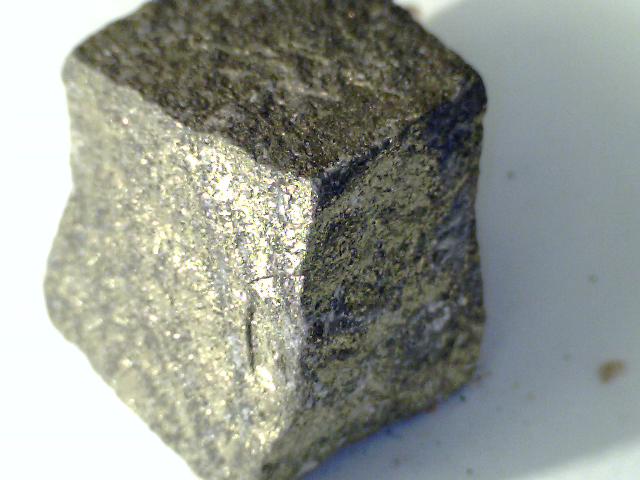
FLUORITE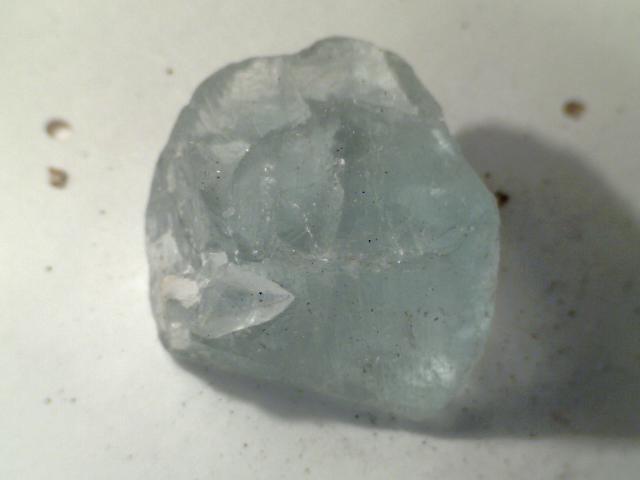
GALENA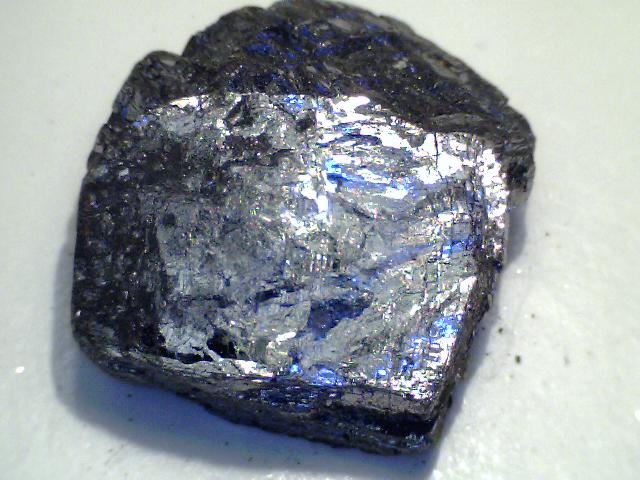
GARNET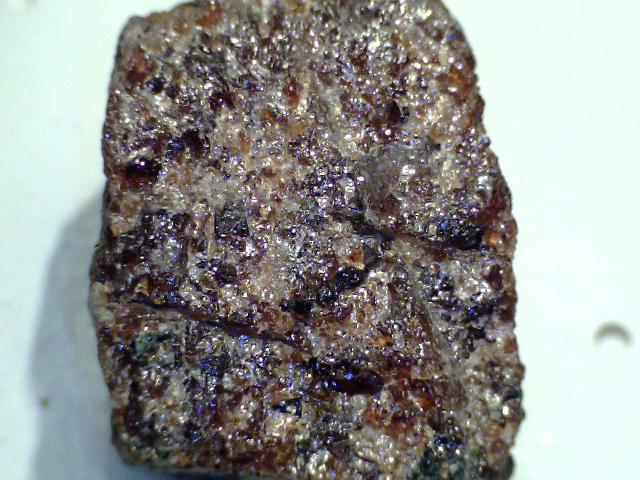
GRAPHITE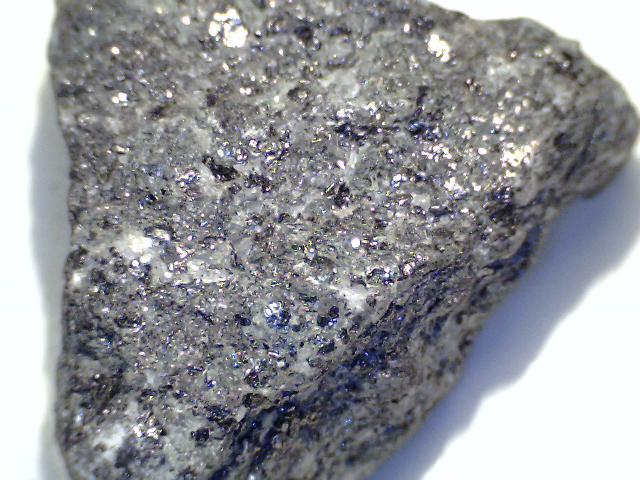
HALITE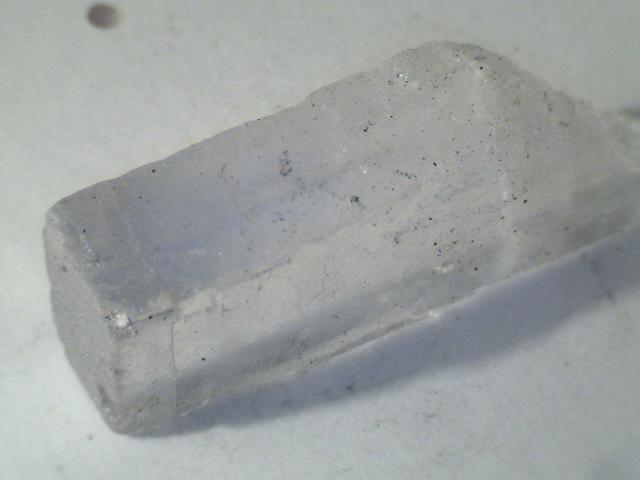
HORNBLENDE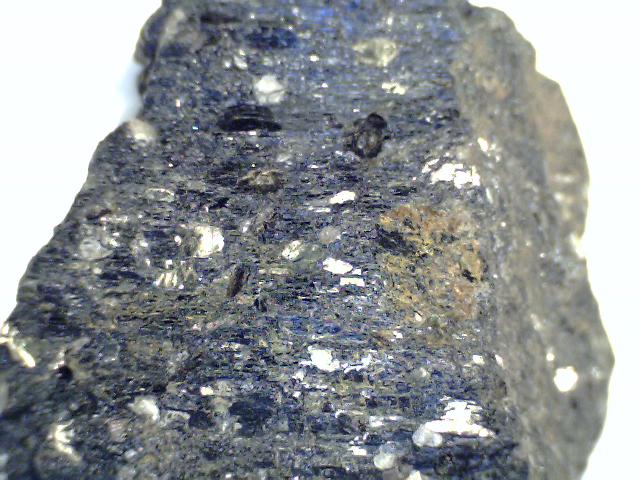
LABRADORITE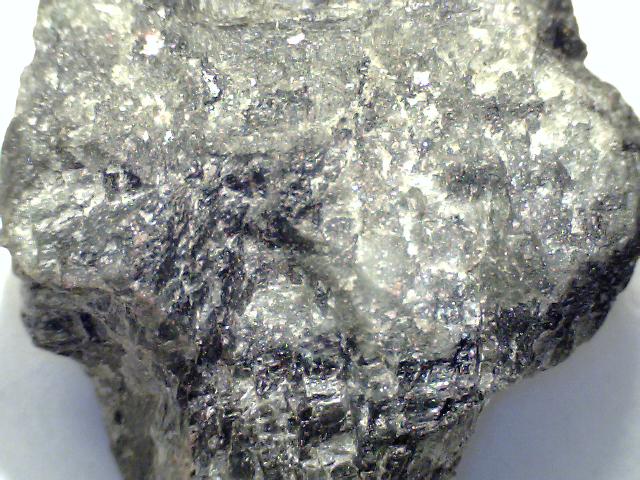
LIMONITE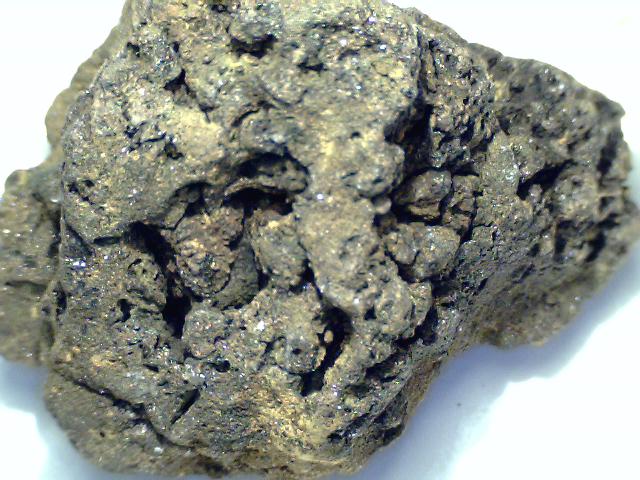
MAGNETITE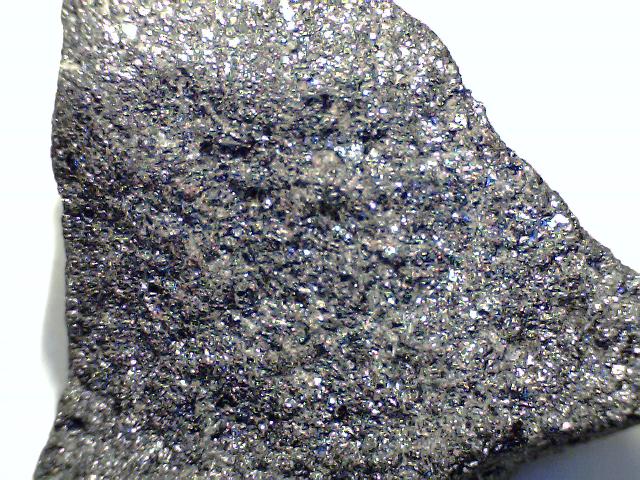
MASSIVE GYPSUM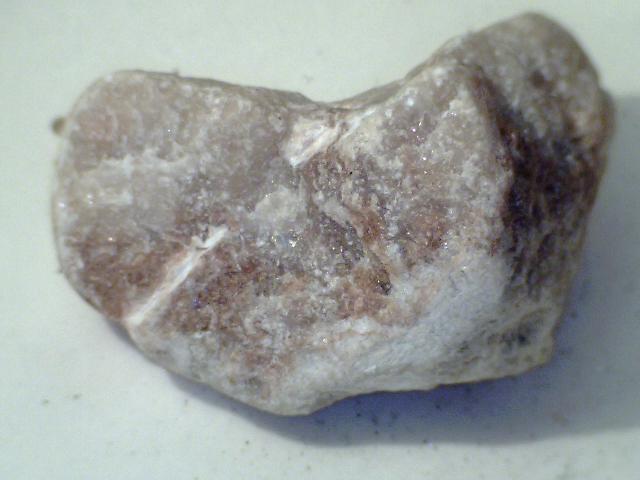
MASSIVE HEMATITE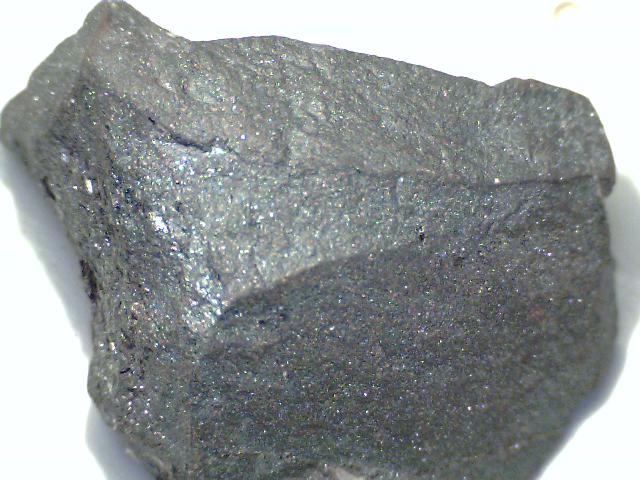
MICROCLINE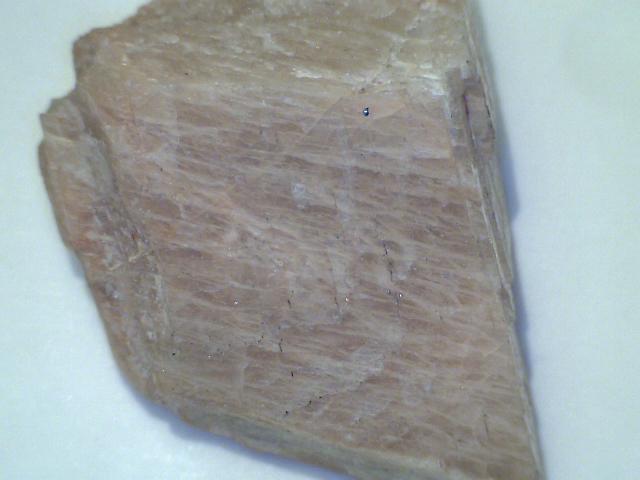
MUSCOVITE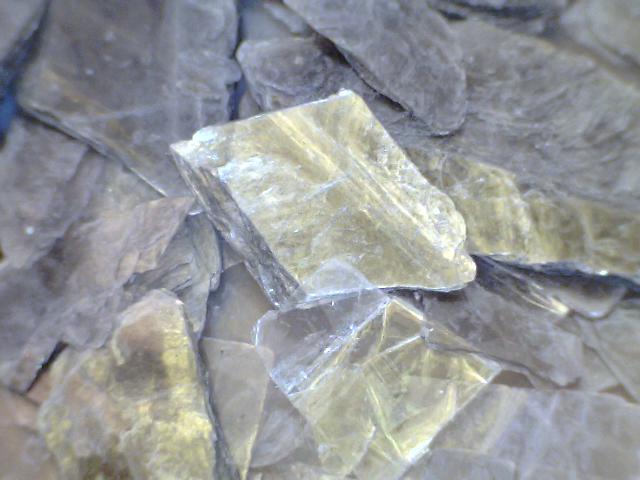
OLIVINE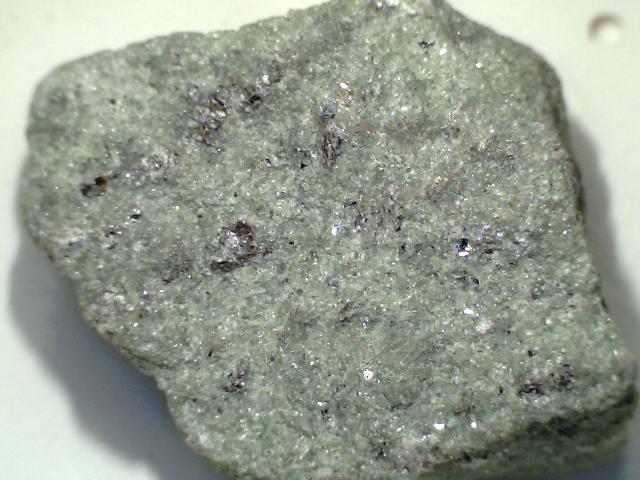
OOLITIC HEMATITE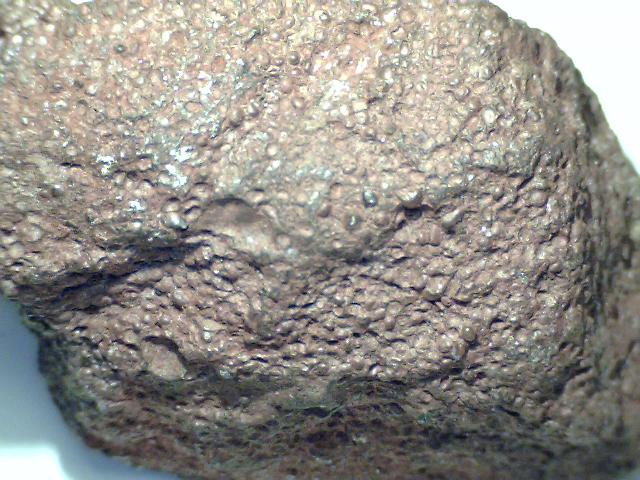
PYRITE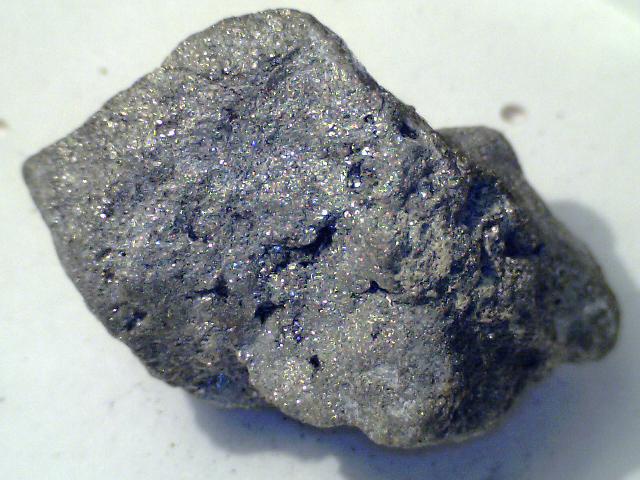
ROSE QUARTZ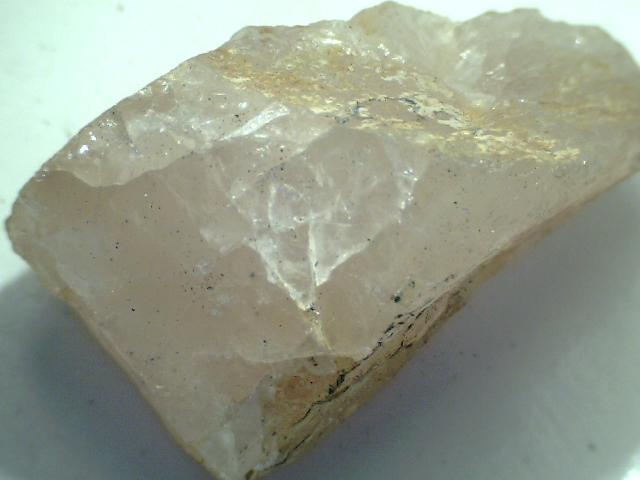
SELENITE GYPSUM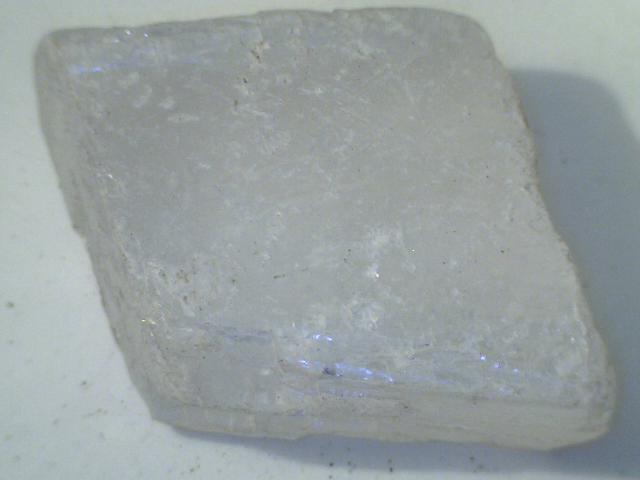
SERPENTINE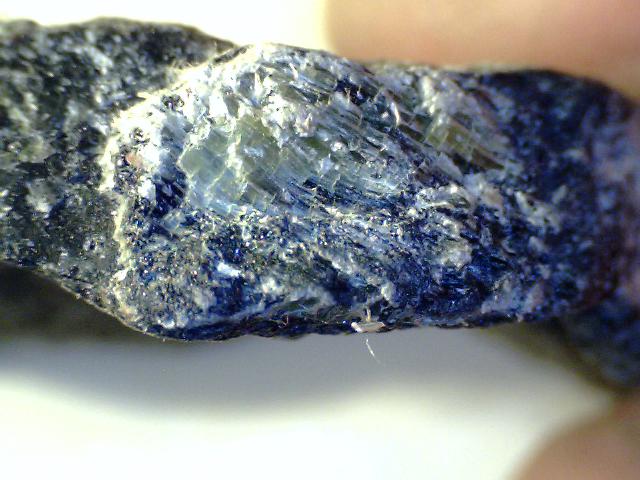
SPECULAR HEMATITE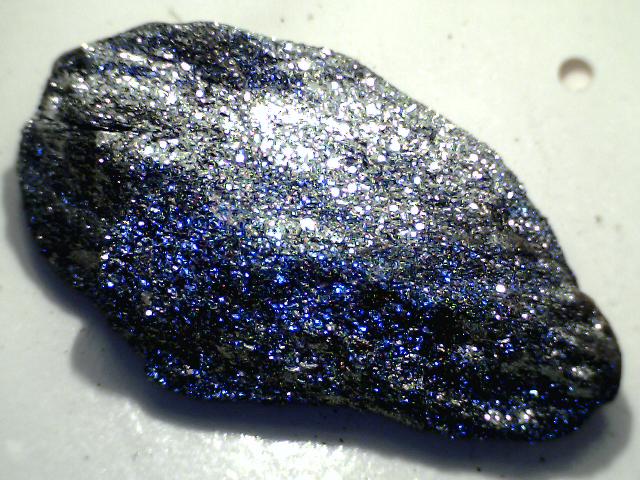
SPHALERITE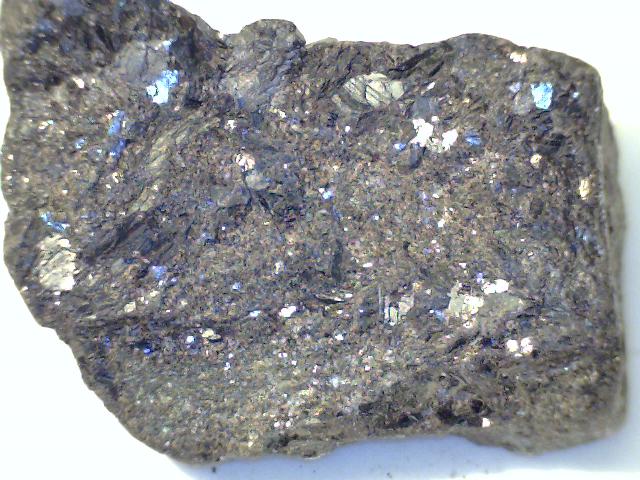
SULFUR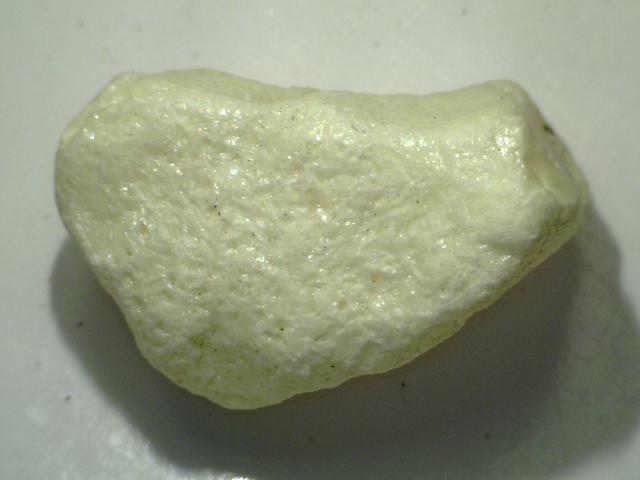
TALC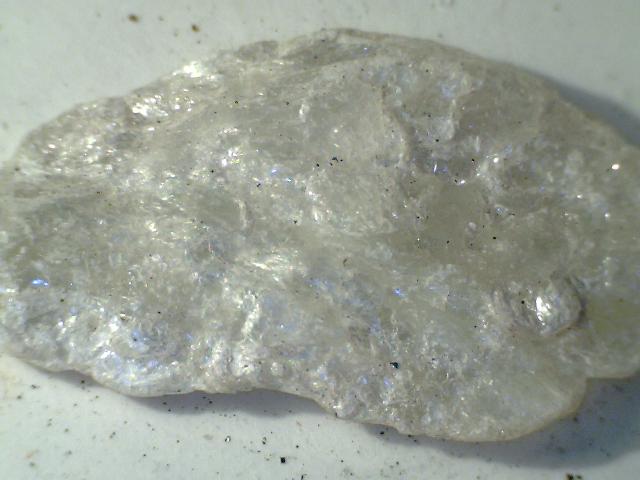
|
