| A | B |
|---|
| the five themes of geography | location, place, region, movement, and human-environment interaction |
| the exact spot on Earth where a place can be found | absolute location, 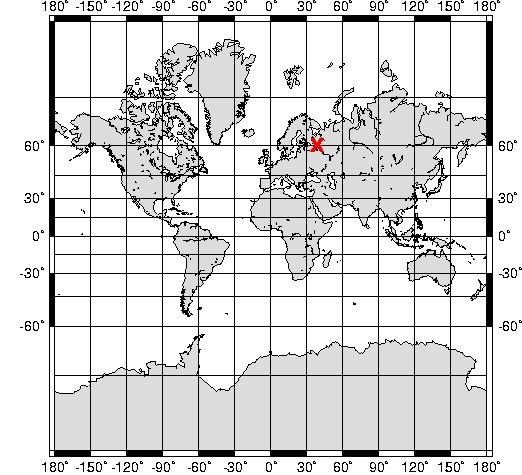 |
| lines that run parallel to the equator | latitude, 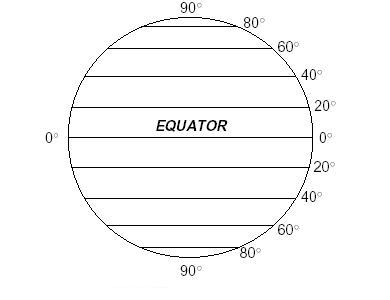 |
| lines that show distance east or west of the prime meridian | longitude, 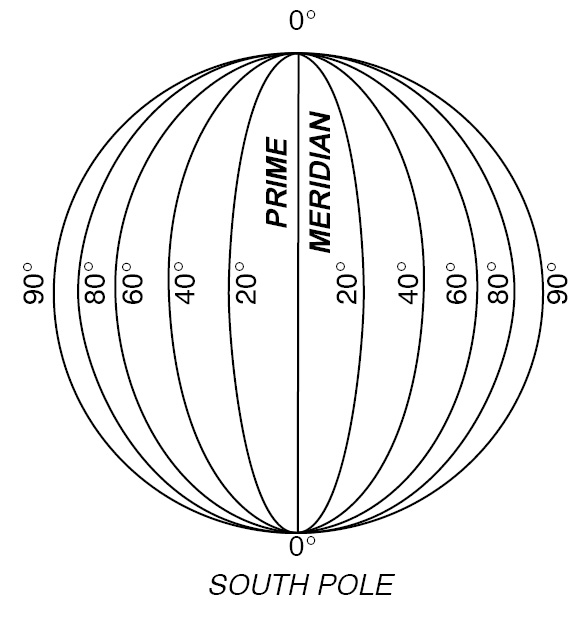 |
| zero degrees latitude | the equator, |
| zero degrees longitude | the prime meridian, |
| the location of one place in relation to other places | relative location |
| "Canada is north of the United States"- That is an example of what type of location? | relative location |
| "Melbourne, Australia is 38 degrees south latitude, 145 degrees east longitude" - That is an example of which type of location? | absolute location |
| the two types of features that places have | physical features and human features |
| these features include climate, landforms, bodies of water, and plant and animal life | physical features, 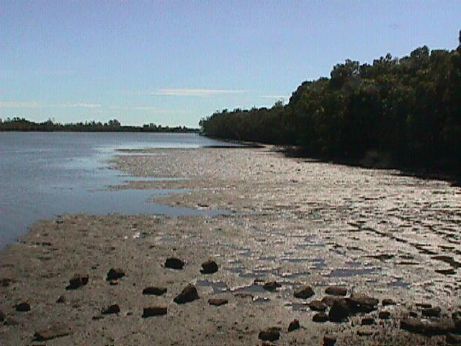 |
| these features include cities, towns, governments, and traditions | human features, 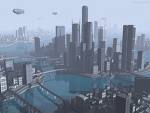 |
| the weather conditions of a region | climate |
| a group of places that have at least one feature in common | region |
| A natural region that is very cold, covered in ice all year, and has no plant life. | the Arctic, 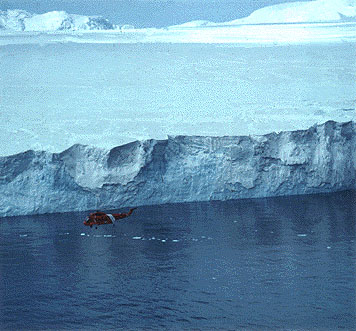 |
| a natural region that is hot all year with very little rain and few plants | desert, 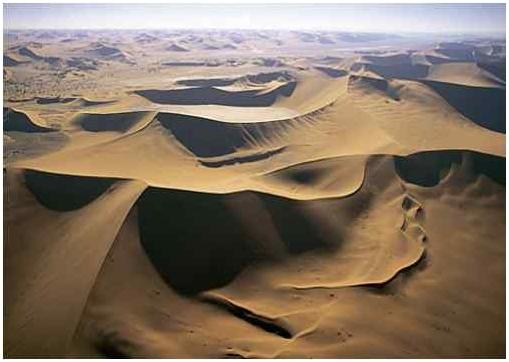 |
| a natural region that has wet and dry seasons with tall grasses and some trees | tropical grassland, 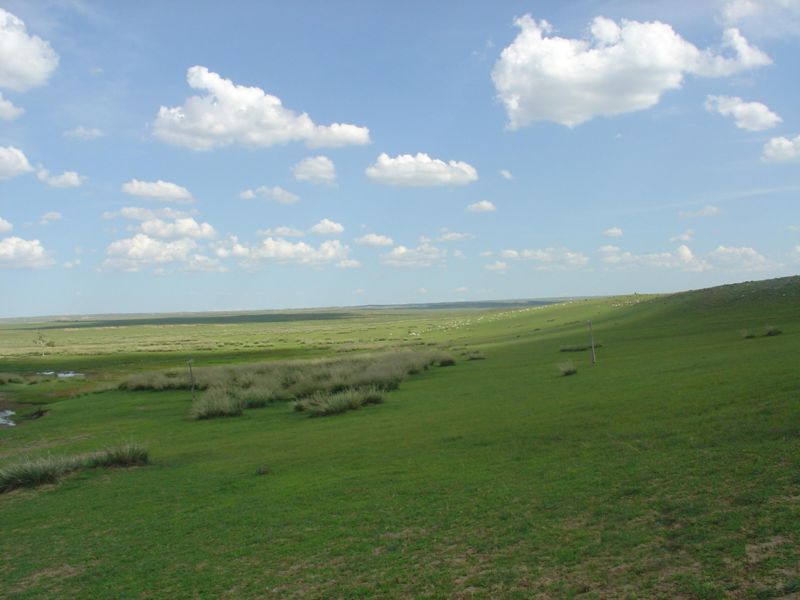 |
| to move from one area to another | migrate |
| to move to a new country | immigrate |
| problems in one place that cause people to leave | push factors |
| advantages in one place that attract people to move there | pull factors |
| human life started on this continent and migrated around the world | Africa, 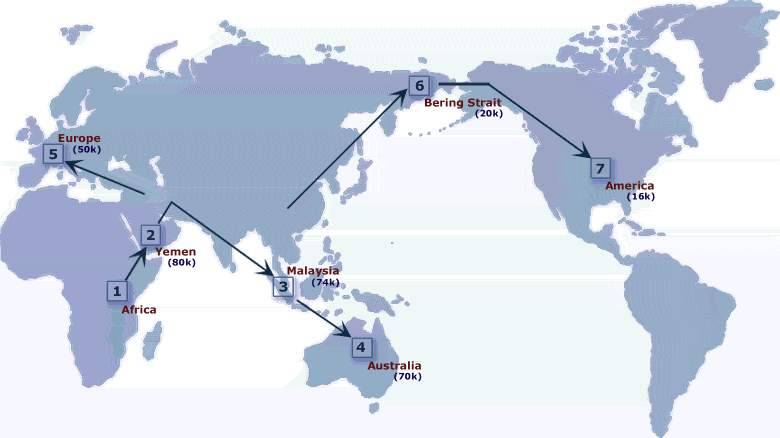 |
| this theme happens because humans depend on, adapt to, and change the world around them | human-environment interaction |
| changing to survive | adaptation |


