| A | B |
|---|
| CCC | young unmarried men, conservation jobs |
| AAA | paid farmers to lower output/production |
| SSA | old age pensions, disability, unemployment |
| RFC | Hoovers program, gov. credit to banks to make loans |
| UAW | Auto workers, strikers |
| GNP | measure of all goods and services produced in one year |
| FDR | democratic president of New Deal |
| speculation | investment in high risk ventures |
| buying on the margin | Buying stock by paying only a portion of the full cost up-front with promises to pay the rest later |
| Black Tuesday | October 29,1929, the day stock market crashed |
| Great Depression | Period of bad economic times in the US that lasted from 1929 to 1941 |
| Hawley Smoot Tariff Act | Law that raised taxes on imports and worsened the Depression |
| Dust Bowl | Area of the Great Plains made worthless for farming by drought and dust storms in the 1930's |
| shantytown | a neighborhood where people live in shacks |
| soup kitchen | Place where free food is served to the needy |
| bread line | a line of people waiting for free food |
| direct relief | money or food given directly from the govt to the needy |
| Herbert Hoover | republican nominee in 1928, 31st president |
| Reconstruction Finance Corporation | Agency establish in 1932 to provide emergency relief to large businesses , insurance companies and bank |
| Bonus Army | unemployed WWI veterans who marched to Washington to demand their bonuses |
| drought | a long period of unusually low rainfall |
| foreclosure | the taking of mortgaged property by the lender because the borrower cannot make the payemnts on the loan |
| Rugged Individualism | Hoover's theory that people should work on their own to overcome hardship |
| Boulder Dam | work project begun under Hoover's Administration |
Hoovervilles, 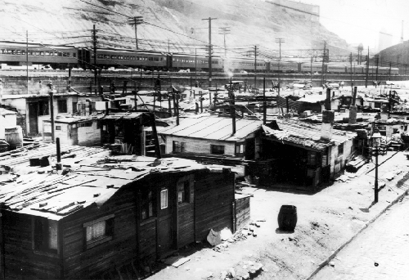 | shantytowns named after president |
| credit | promise to pay something later |
Franklin Roosevelt, 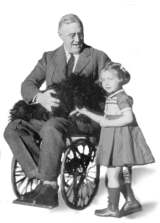 | believed the government must get involved in the economy because it was a time of emergency |
| Herbert Hoover | believed if the government becomes involved in the economy it would eventually destroy our freedoms |
| part of the New Deal Coaltion | racial minorities, liberal farm groups & intellectuals |
| bank failures | resulted from too many people withdrawing their money all at once |
| Brother, Can You Spare a Dime? | song which represents the Great Depression |
| installment buying | buying on credit |
| foreclose | when creditors take possession of property |
| margin call | brokers can issue these in order to protect loans made by stockbrokers to investors |
Dust Bowl, 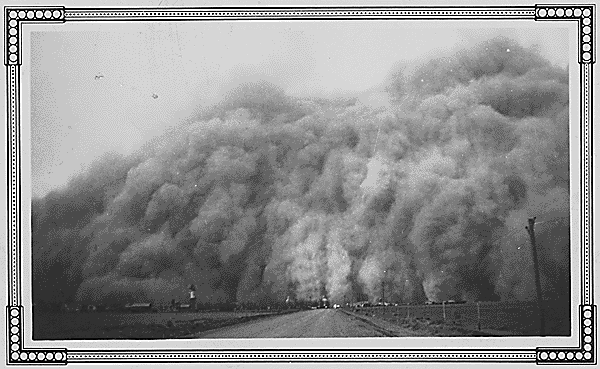 | starting in 1932 this is how you could describe the Great Plains apstures & wheat fields |
| relief | Hoover believed that only state & city governments should dole this out |
| bank runs | many depositors withdrawing money at once |
| shantytowns | communities of makeshift shacks |
| New Deal | Roosevelts policies during the Great Depression |
| farmers | the hardest hit during the Depression |
| Schechter v. U.S. | Supreme Court case that struck down the National Industrial Recovery Act |
| Eleanor Roosevelt | First Lady who helped bring about change for African Americans & women |
| Federal Deposit Insurance Corporation | covered people's savings in banks against loss |
| Huey Long | Louisiana Senator who championed the downtrodden but built a powerful & corrupt political machine |
| FDIC | program that insures banking and checking accounts |
| SEC | new deal program that regulates the stock market |
| NRA | created a set of codes for industry to promote cooperation rather than competition |
TVA, 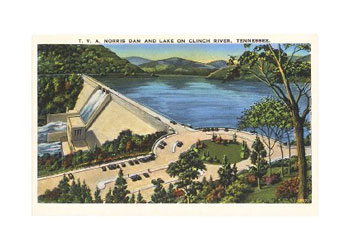 | agency that construced a sereis of dams and electric generating facilities; created jobs |
| Social Security ACt | agency that created a government pension for elderly and the disabled |
WPA,  | agency that employed teachers , artists, musicians etc. |
| polio | disease that FDR had |
| 21st amendment | repealed prohibition |
| 18th amendment | amendment that prohibited the consumption and alcohol |
| fireside chats | FDRs radio speeches to the nation, 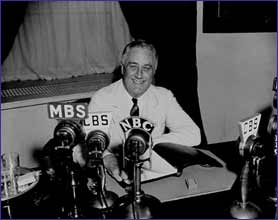 |


