| A | B |
|---|
| close Up | shows the detail of something |
| close Up | 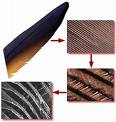 |
| cutaway | shows the inside of something |
| cutaway | 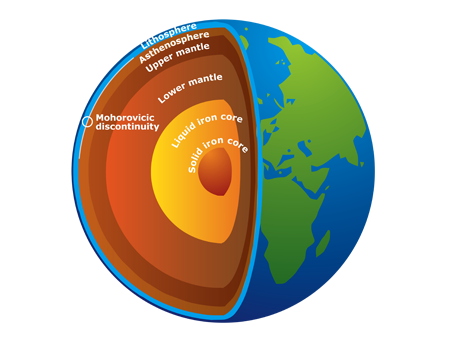 |
| map | helps you know where things are in the world |
| photograph | shows exactly what something looks like |
| examples of types of print | bold, underlined, italics |
| types of print | tells reader, :Look at me! I'm important!" |
| index | alphabetical listing of items covered in the book and their page numbers |
| table of contents | identifies main ideas and tells the pages that they are on |
| comparisons | helps the reader understand the size of something when it is compared to something else |
| captions | words under a picture that help you understand the picture |
| glossary | helps you find the meaning of words |
| labels | helps you identify parts of a picture |
| chapters/sections | the way books are organized in order to tell you about different parts/characteristcs of a topic |
| title page | the first page of a book which tells the title, illustrator, publisher, and copyright |
| dedication | the phrase found in the front of the book honoring the person for whom the book was written |
| illustrator | the person who took or drew pictures for the book |
| non-fiction | factual books |
| headings | phrases found throughout the book (often larger or in bold or another color) that label sections within a chapter to help the reader locate topics quickly |
| publisher | the company that printed the book |
| appendix | the extra information at the end of the book-gives the reader information about where to get help on specific topics |
| copyright | the date the book was printed |
| usefulness of copyright date | helps the reader know how old or new the information is |
| call number | located on the spine of the book-helps the reader find the book on the library shelf |
| preface | the introduction to the book - helps the reader know the background of the idea for writing the book |
| works cited | A list of sources, placed at the end of a research paper that were used to complete the study of the topic written about |
| personification | giving human characteristics to non-living things |
| metaphor | comparing two things by saying one thing is another |
| alliteration | repitition of the initial consonant sounds |
| plagerism | copying/using things from others without giving credit |
| paraphrase | to restate information in your own words |
| simile | comparing two things using "like" or "as" |
| transition | words that signal a change in time, place, or topic |
| URL | the web "adress" used to find online information |
| reliability | information that can be trusted |



