| A | B |
|---|
Sinking of the Lusitania,  | Event that angered many Americans |
| Sinking of US merchant ships | Event that immediately brought the US into World War I |
Zimmermann Note,  | Letter from Germany to Mexico offering help in taking back land from the US,  |
| "The world must be made safe for democracy!" | President Wilson explanation for why the US needed to enter World War I,  |
| Fourteen Points | President Wilson vision for the Post-WW I world; Main goal - League of Nations, |
| Treaty of Versailles | Document ending WW I; it punished Germany, but provided for the League of Nations; never ratified by the US Senate |
League of Nations,  | Organization designed to prevent war; the US never joined it |
German submarine zone,  | Area where Germany shot torpedoes at Britain,  |
| British blockade | Tactic which prevented imports to and exports from Germany |
| U-boat | A submarine |
| Propaganda | Information that only shows one side of an issue,  |
| Women | work in wartime industries; get right to vote after the war |
| African-Americans | migrate to factory jobs in the North; still face discrimination after the war |
US Senate, 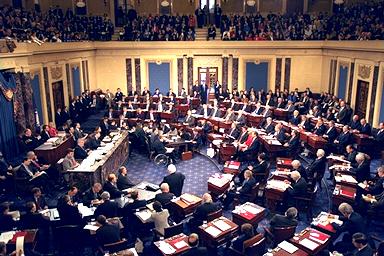 | rejects Treaty of Versailles because it includes US membership in the League of Nations |
| Charles Schenck | told American men to avoid the draft in World War I; was accused of violating the Sedition Act |
| Schenck v. US | court case that says freedom of speech may be limited in times of crisis; compares anti-draft speech to yelling fire in a crowded theater |
| reparations | the war expenses that Germany had to pay after World War I |
| neutrality | US policy at the start of World War I |


