| A | B |
|---|
| characteristics of animals | nervous & muscle tissue, unique types of intercellular junctions, sexual reproduction & multicellularity |
| animal nutrition | heterotrophy by ingestion |
| gastrulation | At which stage can you distinguish diploblasty from triploblasty? |
| body symmetry | bilateral and radial refer to? |
| cephalization | concentration of sensory structures at the anterior end |
| ectoderm | outer coverings and nervous system are derived from this germ layer |
| endoderm | internal linings of the digestive tract, liver and lungs are derived from this germ layer |
| mesoderm | muscle, bone and most organs are derived from this germ layer |
| coelomate | a body cavity completely lined with mesoderm |
| archenteron | the blastopre denotes the presence of an endoderm-lined cavity in the developing embryo |
| protostome | spiral & determinate cleavage, blastopore becomes mouth, schizocoelous development |
| deuterostome | radial and indeterminate cleavage, blastopore becomes anus, entercoelous development |
| Porifera | sessile and have a porous body and choanocytes; sponges are an example |
| Cnidarians | radial symmetry, a gastrovascular cavity, and cnidocytes; jellyfish, corals & hydra are examples |
| Platyhelminthes | bodies are thin between the dorsal and ventral surfaces; live in marine, freshwater, and damp terrestrial habitats; flatworms and tapeworms are examples |
| Rotifers | name means “wheel–bearer,” a reference to the crown of cilia that draws a vortex of water into the mouth; undergo parthenogenesis |
| Nemerteans | has an extensible proboscis, which rapidly shoots out of the worm′s body, in many cases delivering a toxin to its prey |
| Molluscs | have a muscular foot, a visceral mass, and a mantle; snails, slugs, oysters, clams, octopi and squids are examples |
| Annelids | name means “little rings,” referring to the body′s resemblance to a series of fused rings; earthworms & leeches are examples |
| Nematodes | nonsegmented pseudocoelomates with cylindrical bodies covered by a tough cuticle; known are roundworms; Caenorhabditis elegans is an example |
| Arthropods | segmented coelomates that have an exoskeleton and jointed appendages; very diverse group including crustaceans, spiders, and insects |
| Echinoderm | name means "spiny skin" because they possess an endoskeleton of hard calcareous plates; sea stars, brittle stars and sea cucumbers are examples |
| characteristics of chordates | pharyngeal clefts, post-anal tail, notochord and dorsal, hollow nerve cord |
| craniates | chordates that have a head |
| gnathostomes | vertebrates that have jaws |
| chondrichthyans | name means “cartilage fish"; includes sharks and rays |
| oviparous | lay eggs that hatch outside the mother′s body |
| viviparous | young develop within the uterus |
| osteichthyes | characterized by a body endoskeleton, operculum and a swim bladder |
| tetrapod | a vertebrate with two pairs of limbs |
| amphibian | name means “two lives"; may live on land or in water but must return to water for reproduction; examples include frogs, toads and salamanders |
| reptiles | amniotes that have scales that contain the protein keratin that create a waterproof barrier that helps prevent dehydration; includes turtles, lizards, snakes and crocodiles |
| characteristics of mammals | four-chambered heart, viviparous, have hair and mammary glands |
| birds | Which are the only extant animals that descended directly from dinosaurs? |
| ectotherms | organisms that do not produce enough metabolic heat to have much effect on body temperature |
| endotherms | organisms with bodies that are warmed by heat generated by metabolism |
| synapsid | an amniote clade distinguished by a single hole on each side of the skull, including the mammals |
| monotremes | egg-laying mammals including the spiny anteater and duck-billed platypus |
| marsupial | a mammal, such as a koala, kangaroo, or opossum, whose young complete their embryonic development inside a maternal pouch called the marsupium |
| eutherian | placental mammal; mammal whose young complete their embryonic development within the uterus, joined to the mother by the placenta |
| medusa form | 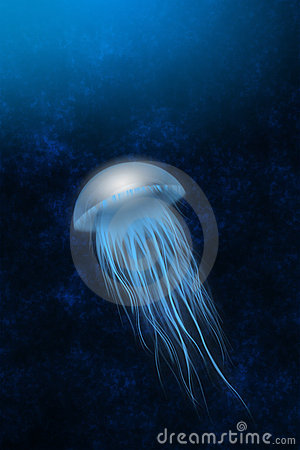 |
| arthropod, protostome, triploblastic, | 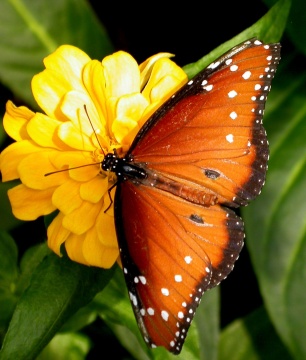 |
| cnidarian, diploblastic, radial symmetry | 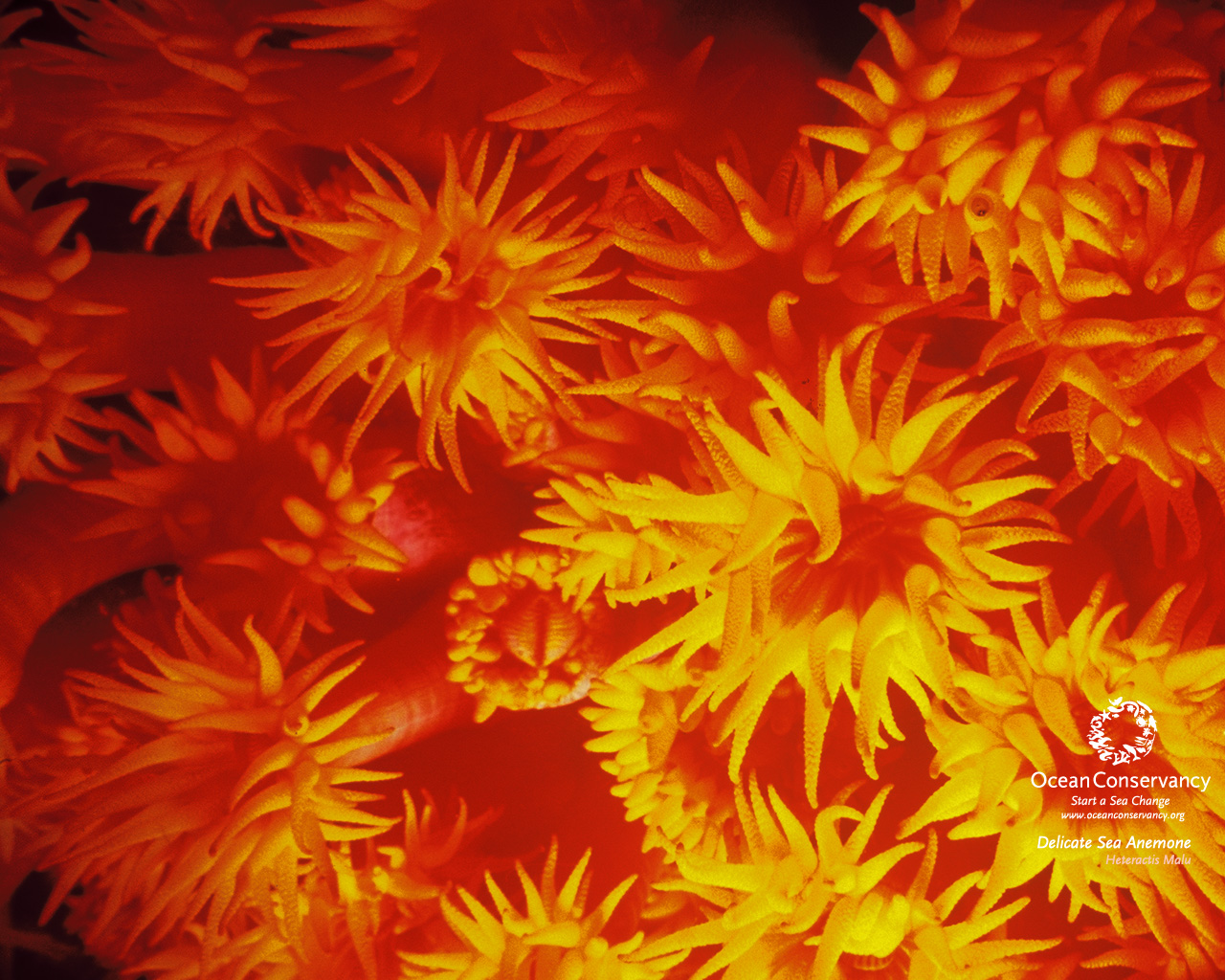 |
| chordate, triploblastic, deuterostome | 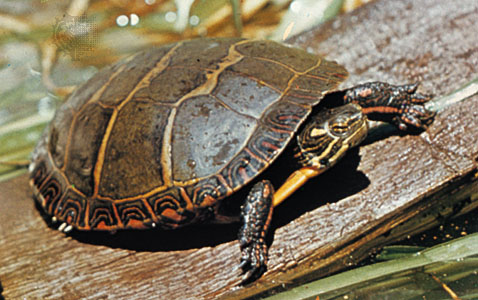 |
| mollusk, coelomate, triploblastic | 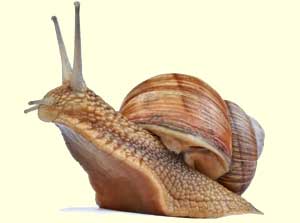 |



