| A | B |
|---|
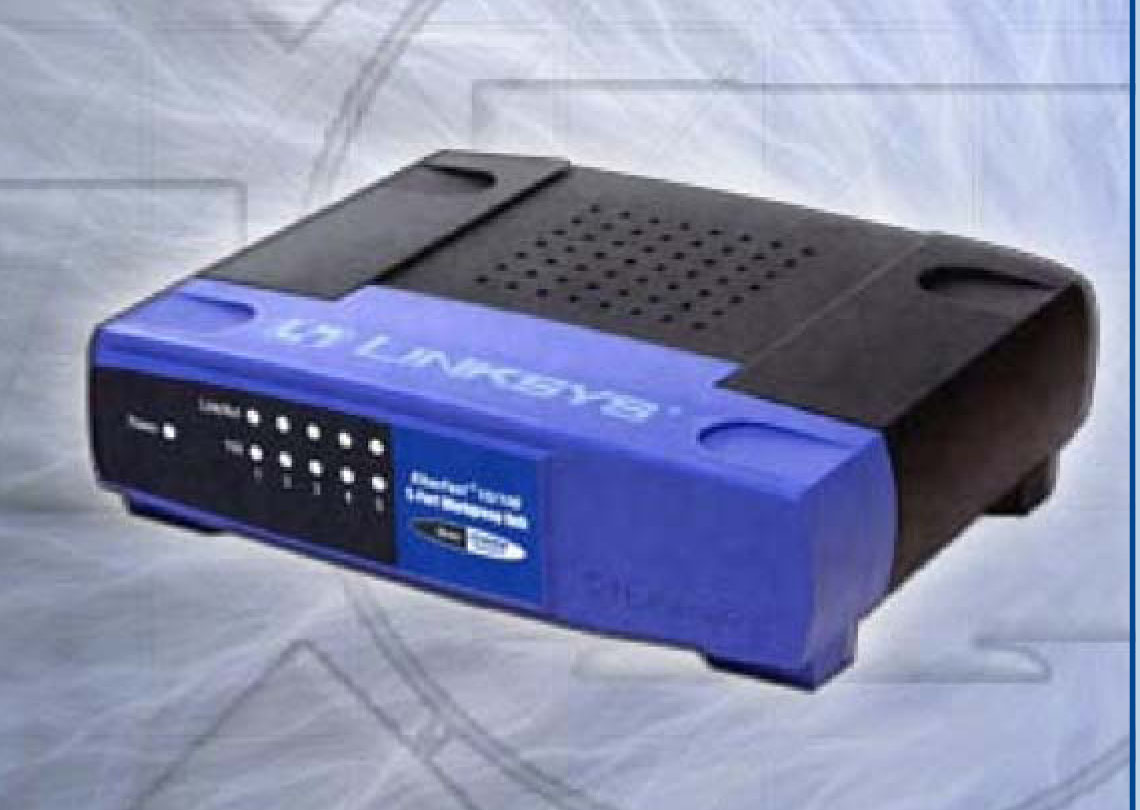 | Devices that extend the range of a network by receiving data on one port, and then regenerating the data and sending it out to all other ports. |
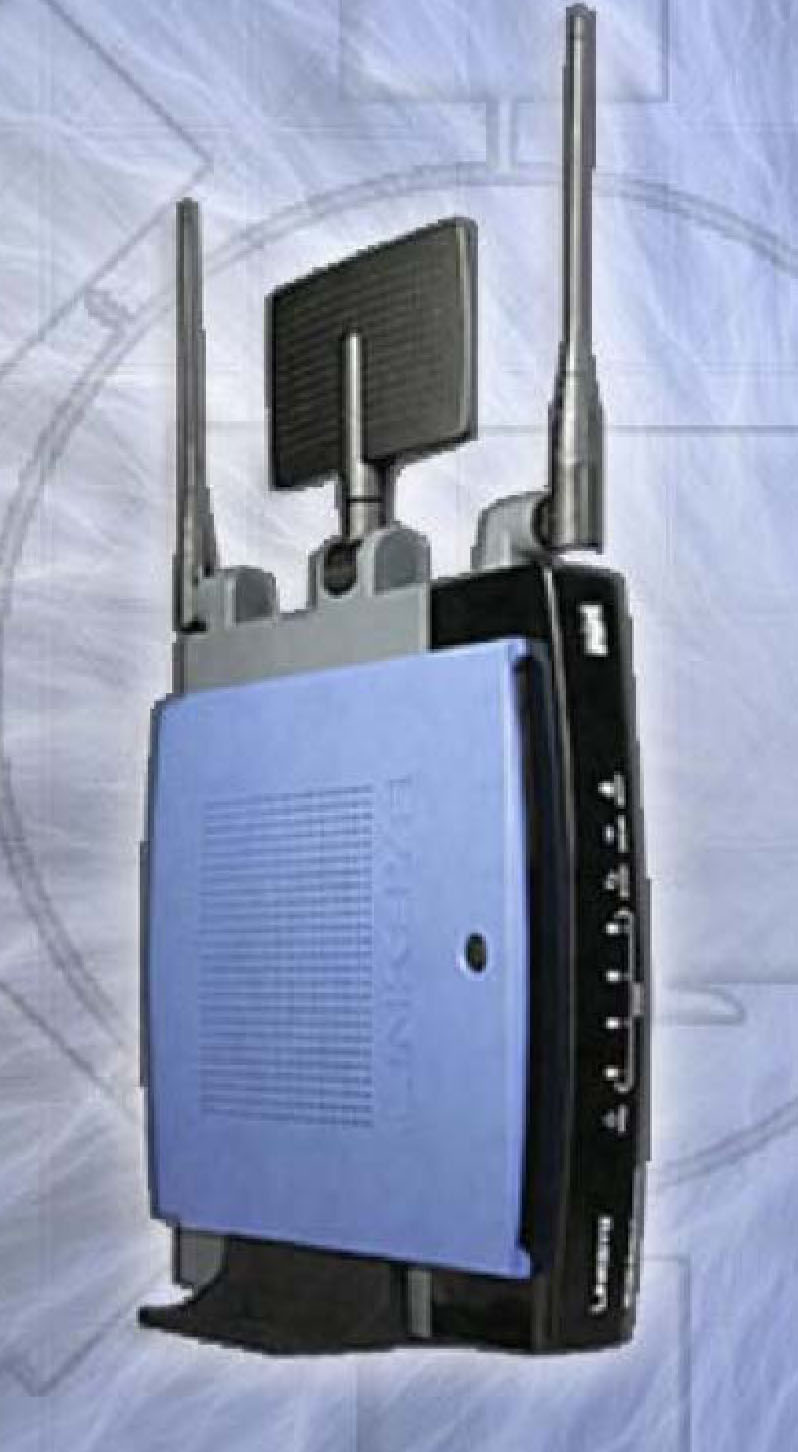 | A network device that perform more than one function. It is more convenient to purchase and configure one device that serves all of your needs than to purchase a separate device for each function. |
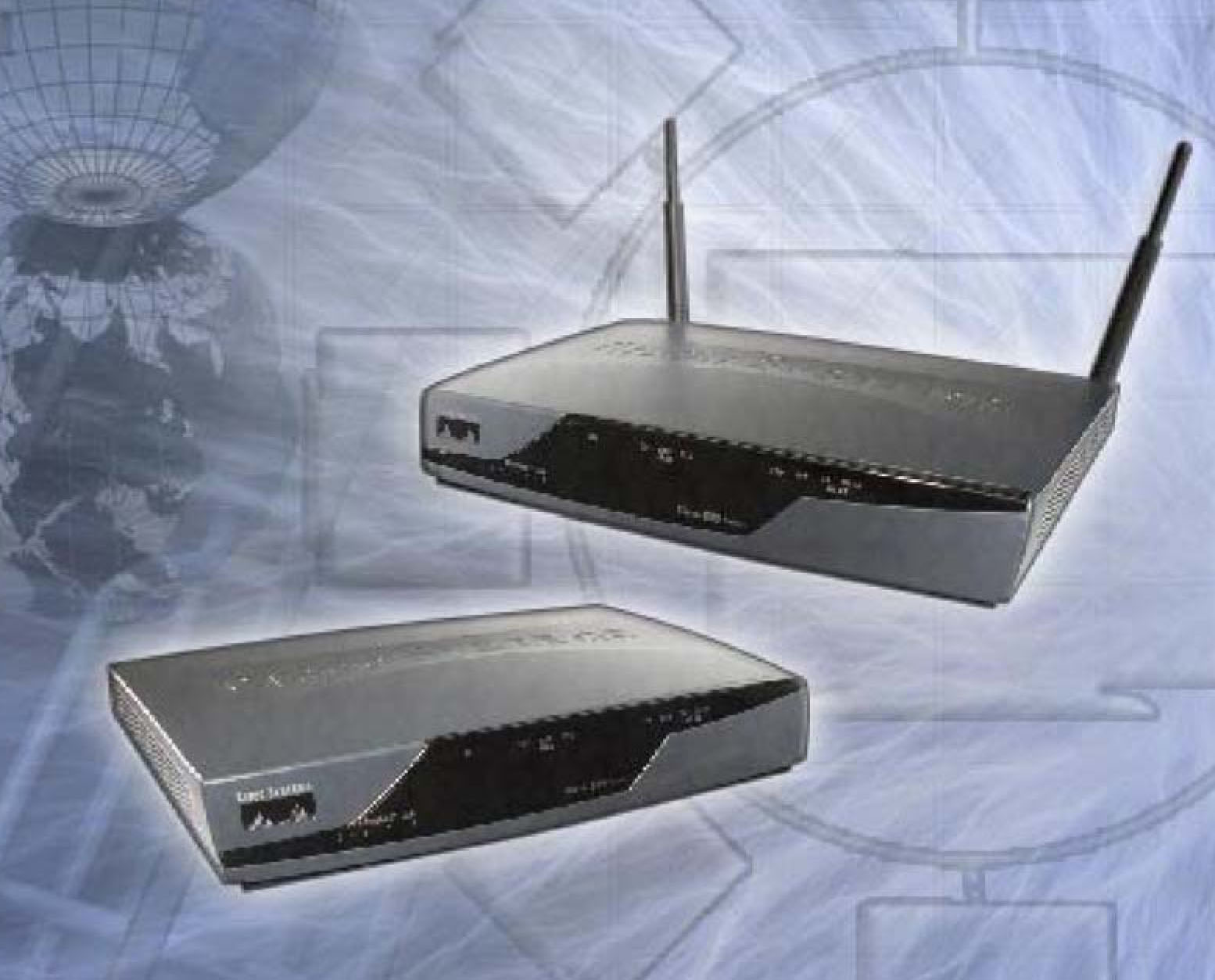 | Uses IP addresses to forward frames to other networks. |
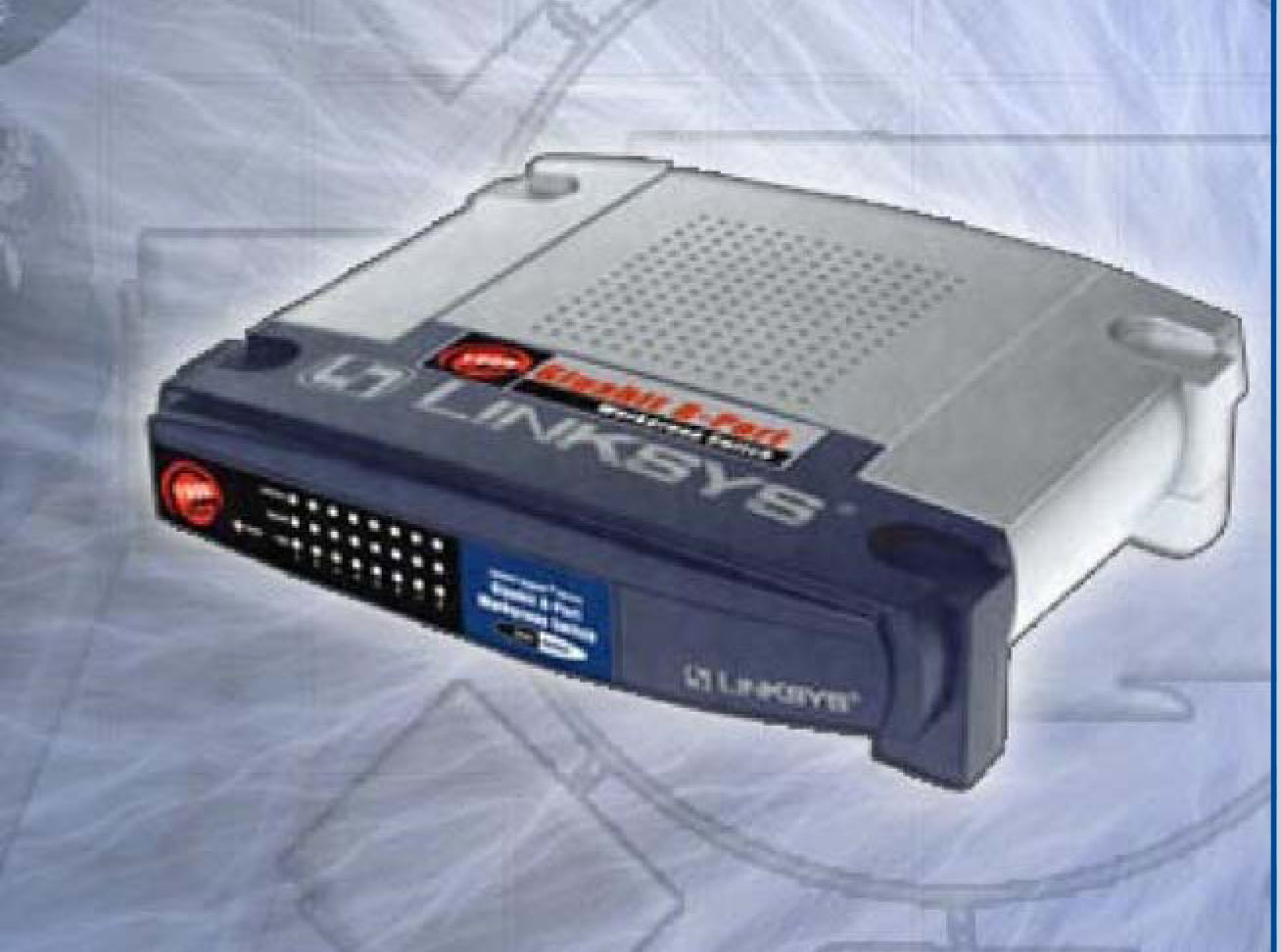 | Maintains a table of the MAC addresses for computers that are connected to each port. When a frame arrives at a port, this device compares the address information in the frame to its MAC address table. The switch then determines which port to use to forward the frame. |
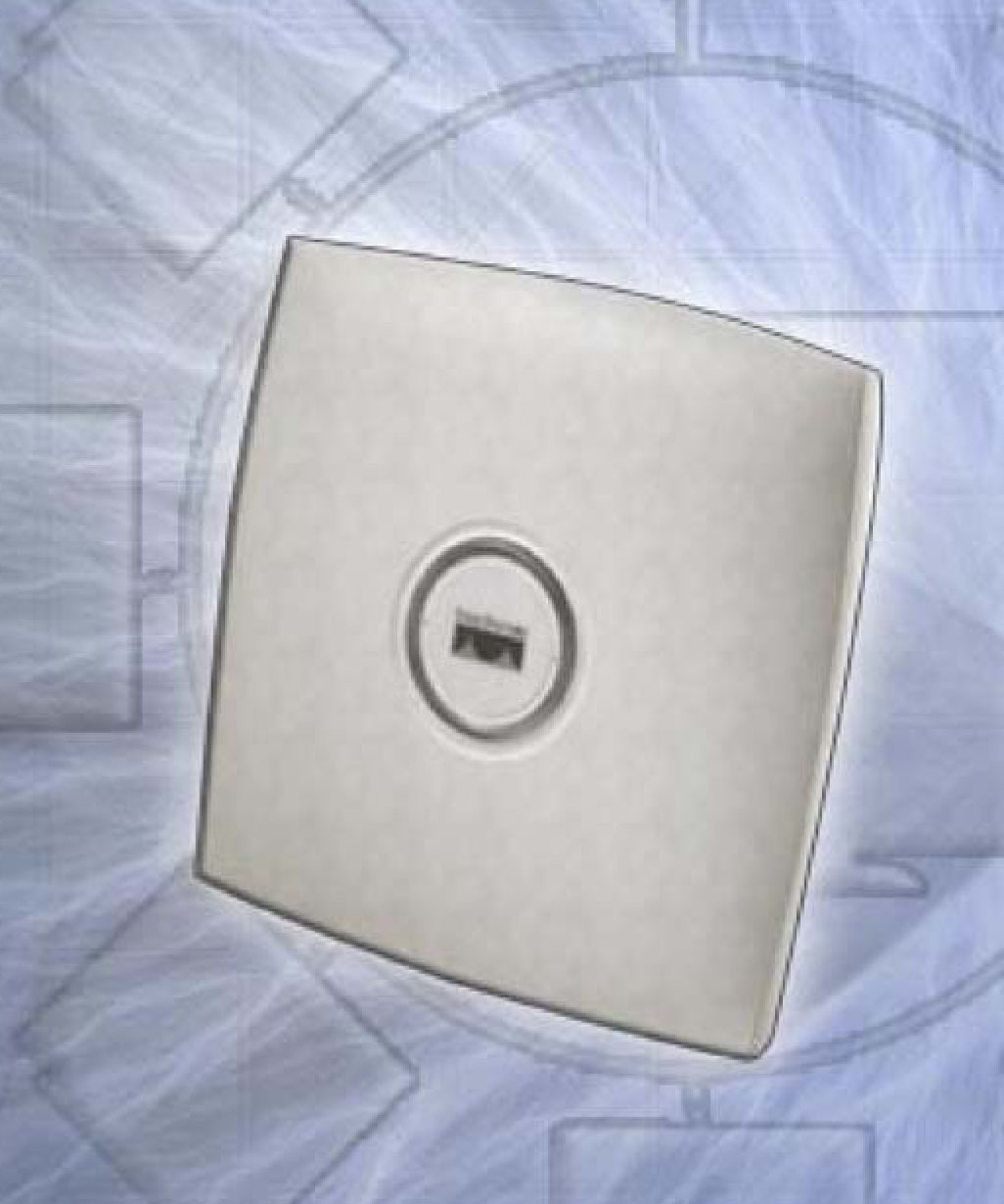 | Uses radio waves to communicate with radios in computers, PDAs, and other similar device and has limited range of coverage. |
 | Provide protection against crosstalk, which is the noise generated by adjacent pairs of wires. |
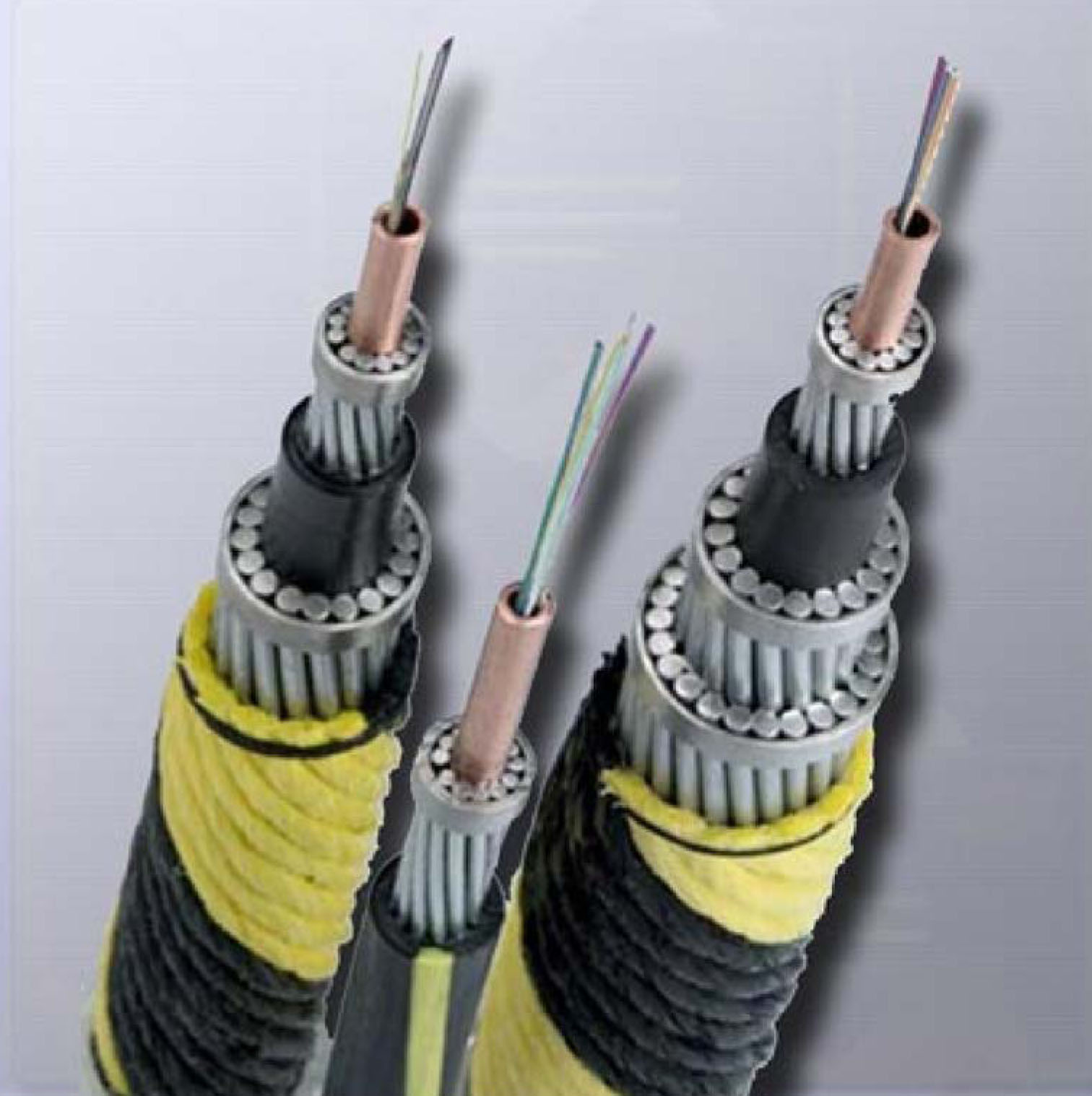 | Cable can reach distances of several miles or kilometers before the signal needs to be regenerated. Usually more expensive to use and the connectors are more costly and harder to assemble. |
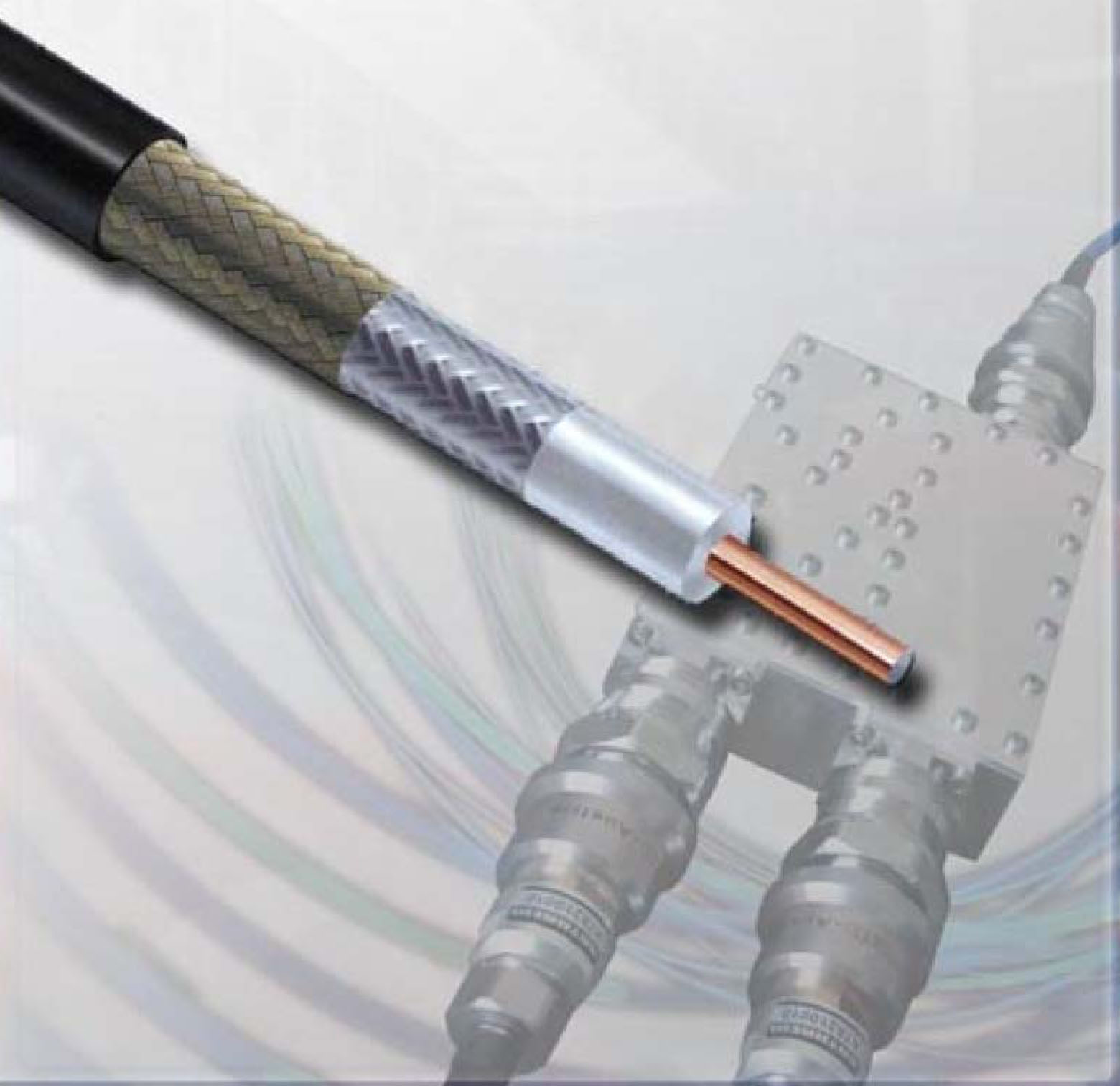 | Copper-cored cable surrounded by a heavy shielding. Maximum lengths are 185 and 500 meters. |


