| A | B |
|---|
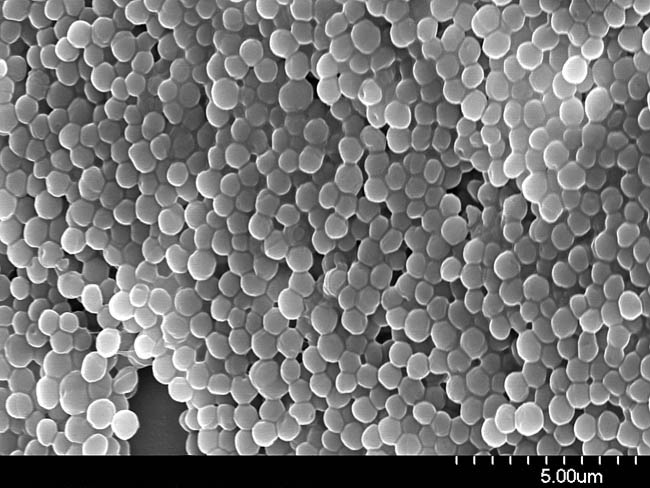 | cocci |
 | diplococci |
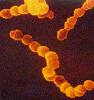 | streptococci |
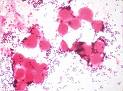 | staphylococci |
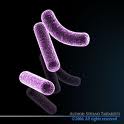 | bacilli |
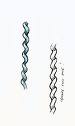 | spirilla |
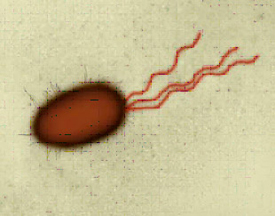 | flagella |
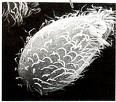 | cilia |
| disease causing | pathogenic |
| does not cause disease | non-pathogenic |
| another term for communicable | contagious |
| immunity from vaccine or exposure | acquired immunity |
| immunity a person is born with | natural immunity |
| the smallest disease organisim | virus |
| category that includes mold, mildew, yeast | fungi |
| another word for poison | toxin |
| free from disease | asepsis |
| another word for toxin | sepsis or poison |
| another word for movement | mobility |
| organisms that live on dead matter | sapprophytes |
| organism that must live and reproduce inside a host cell | virus |
| bacilli cause this illness | tetanus or flu |
| spirilla cause this illness | lyme disease or syphyllis |
| streptococci cause this illness | blood poisoning or strep throat |
| diplococci cause this illness | pneumonia |
| staphylococci cause this symptom | pustules and boils |
| another word for boil | furunacle |
| a large furunacle | carbuncle |
| bacteria use these in order to move | flagella or cilia |



