| A | B |
|---|
| ECOSYSTEM | Organisms in a specific area and their physical environment makeup an - |
| BIOMES | Large regions characterized by their climates and their communities are - |
| BIOTIC FACTORS | Living factors in an environment are - |
| ABIOTIC FACTORS | Nonliving factors in an environment are - |
| ADAPTATIONS | Structures and behaviors that enable organisms to survive in their ecosystems are - |
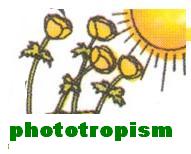 | Plants response to light by growing toward it is called - |
| EUTROPHICATION | The adding of excess nutrients into an ecosystem is called - |
| BIOMES | Desert, forest, grassland, and tundra are four types of - |
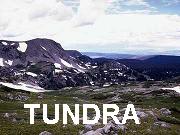 | A biome with a cold climate and short growing season, where the ground often stays frozen all year is - |
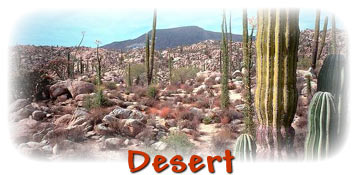 | A biome with an extemely dry climate, hot days but often cold nights is - |
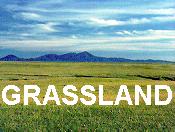 | A biome with big open spaces, grasses but few trees, and good fertile soil is - |
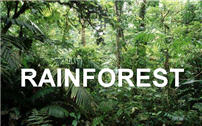 | A biome with a great amount of rain, and a huge diversity of plant and animal life is - |
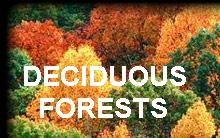 | A biome where plants and animals must adapt to four seasons is - |
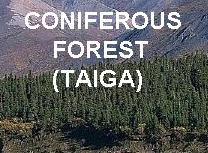 | A forest biome that is too cold for deciduous trees and many plant types but where evergreens flourish - |
| A period of lowered metabolism called HIBERNATION | How do some animals respond to adverse winter conditions? |
| A period of lowered or suspended metabolism called DORMANCY | How do some plants respond to adverse winter conditions? |


