| A | B |
|---|
| Allied Powers | France, Great Britain, Russia, Italy, United States |
| Central Powers | Germany, Austria-Hungary, Ottoman Empire (Turkey), Bulgeria |
| Trench Warfare | Opposing armies fighting from behind fixed fortifications,  |
| Treaty of Versailles | Agreement ending World War I |
| Lusitania | British passenger liner Torpedoed by German U-Boat, 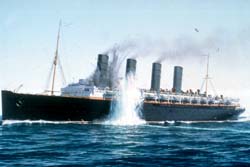 |
| Archduke Ferdinand | Heir to the Austro-Hungarian Throne,  |
| No-man's Land | Area between enemy trenches.,  |
| Alliances | Countries siding with other countries for military strength. |
| Selective Service Act | men ages 21-30 had to register for the draft [later changed to 18-45] |
| Woodrow Wilson | Elected President in 1916 and wrote "14 Points" and founded the League of Nations,  |
| Archduke Francis Ferdinand | his death "sparked" war,  |
| Imperialism | when a strong nation takes over a weaker nation |
| Militarism | build up of the military/preparation for war |
| Nationalism | pride in your own culture/desire for statehood |
| U-boat | Submarine--German |
| Zimmerman note | Germany offered to give U.S. land to Mexico for help in attacking U.S.,  |
| Lusitania | British ship, sunk in war, |
| No-man's land | empty land between armies, |
| Stalemate | no movement possible by either side |
| Conscientious objector | opposed to joining war effort based on moral reasons |
| Schenk vs U.S. | Ok to limit speech during war; "clear & present danger" |
| 14 points | Wilson's plan for future peace |


