| A | B |
|---|
| Oxidation state | The oxidation state is the difference between the number of electrons associated with an atom in a compound as compared with the number of electrons in an atom of the elements.,  |
| binary compound | is a chemical compound that contains exactly two different elements. Examples are NaCl (sodium chloride), NaF (sodium fluoride), and MgO (magnesium oxide). Can be either molecular or ionic., 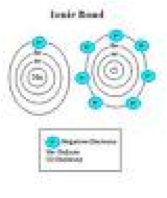 |
| Empirical formula | a chemical formula showing the ratio of elements in a compound rather than the total number of atoms,  |
| Formula mass | is the total atomic mass of a compound.,  |
| monoatomic ion | is an ion consisting of one or more atoms of a single element (unlike a polyatomic ion, which consists of more than one element in one ion), 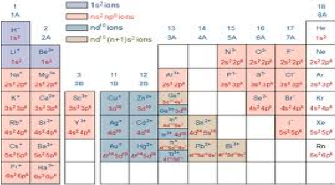 |
| Oxidation number | the degree of oxidation of an atom or ion or molecule,  |
| Percentage composition | This composition measurement reflects the percentage of total mass for a specific element. Just take the total mass of one element of the compound and divide it by the total mass of the compound., 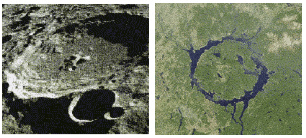 |
| Salt | a crystalline compound NaCl that consists of sodium chloride, is abundant in nature,  |
| nomenclature | A set of names or terms; A set of rules used for forming the names or terms in a particular field of arts or sciences, 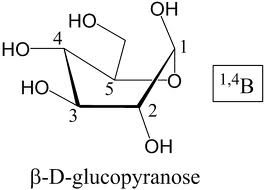 |
| oxyanion | Any anion derived from an oxyacid, 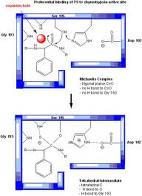 |


