 |
Java Games: Flashcards, matching, concentration, and word search. |
 |
|
Foundations (Religious)
Various religions, their practices and impacts.
|
| A | B |
|---|
Zoroastrianism, 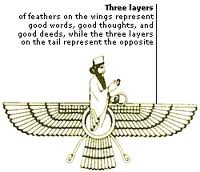 | Based on teachings of Zarathustra, who proclaimed to have had visionsrevealed to him by the supreme god (Ahura Mazda) "wise lord". Major belief: The material world is a blessing: teachings allow enjoyment of everything the world has to offer, but is moderation. Influenced Judaism and Christianity; for example, the concept of good and evil - heaven and hell as reward or punishment. Also monotheistic. |
Confucianism, 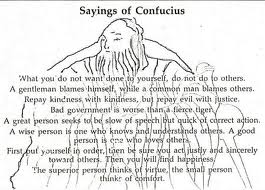 | Believed in five key relationships - between ruler and subject, father and son, husband and wife, older brother and younger brother, and friend and friend. Addresses social order through loyalty and respect. Does not address philosophical or religious questions. Best way to promote good gov't is too hire people who are well educated and conscientious. Superior individuals had "Junzi" - courteousness, diligence,loyalty, propriety, filial piety and respect for parents and other elders. |
Daoism/Taoism,  | Founder: Laozi or Lao Tsu. Key Writings include Tao Te Ching or Zhuangzi. Alternate solution Confucianism to end the period of the "Warring States". Daoists believe that natural principles govern the world to achieve harmony with nature. Central concept; dao or the "way of nature". Like water it is soft, yet can also erode the strongest of rocks. Humans should stop trying to achieve personal goals and live simply to achieve harmony with nature. Ideal social structure would consist of tiny, self-sufficient communities. s. |
Legalism,  | Another of the philosophies from the "Hundred Schools of Thought" during the Warring States Period. Strict laws and harsh punishments lessen the number and severity of crimes. Noteable founders Shang Yang and Han Feizi. Gov't strength lies in its agriculture and military - therefore, these two areas demand the highest number of recruits; gov't should discourage other careers (merchants, educators and philosophers). *Community has a collective responsibility for the law - people should watch each other closely. *Used by the Qin dynasty, led by Shi Huangdi, to end the Warring States period. |
Jainism, 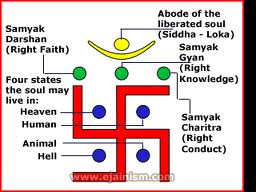 | Indian belief system popularized by Vardhaman Mahavira (the great hero), referred to as Jina (the Conqueror) and called themselves Jains. Practiced "ahmisa" - nonviolence to living things or their souls (belief later impacted Hinduism and Buddhism). Extremists swept ground as they walked to avoid harming insects (souls). Not practical, but attractive - because if all living things have a soul, there should not be rigid social classes (belief especially popular among the lower classes). |
Buddhism, 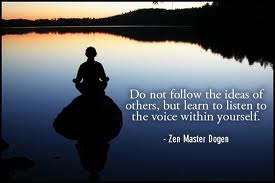 | Founded at c. 537 BCE by Siddhartha Gautama, a Hindu of the Kshatiyan caste, left his family to live a a holy man. Becam the Buddha ("Enlightened One") after 49 days meditating under the bo tree. Four Noble Truths: nothing is permanent; all life involves suffering; desire causes suffering eliminate desire and you will eliminate suffering. Follow the Eightfold Path, the fourth Noble Truth: right belief, right resolve, right speech, right behavior, right occupation, right effort, right contemplation, right meditation. Goal to achieve Nirvana(state of Spiritual Independence). Appealed to lower castes b/c it de-emphasized class distinctions. Cultural diffusion: Japan (Zen Buddhism); China (Mahayan Buddhism); and norther India (Thervadic Buddhism)., 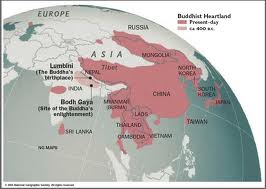 |
Hinduism, 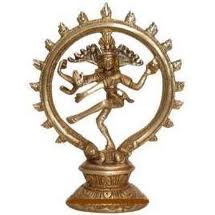 | Originated in India, the world's oldest organized religion. Holy texts include The Vedas. Bhagavad Gita outlines what Hinduism expects of individuals and the path to salvation - which is achieved by meeting responsibilities of one's caste, not on material success. Hindu ethics: dhama (righteousness-to obey religious and moral laws); karma; moksha (salvation of the soul). A person is reincarnated on the basis of behavior into one of four castes, though later the fifth (untouchables) was added. Limited spread beyond India., 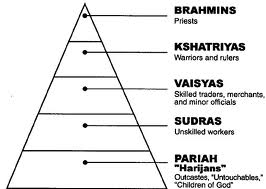 |
Jesus, 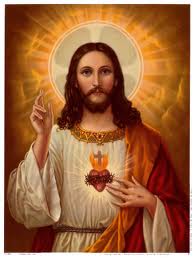 | Jewish prophet and teacher whose major teachings were proper worship of God and love for fellow man. His message - "The kingdom of God is at hand" challenged Roman Civic life b/c it did not allow for worship of Roman Gods. After Crucifxion, devotion to Jesus grew rapidly; he was called the Christ (Greek for Messiah, or the "annoited one") and his followers were called Christians. |
Early Christianity, 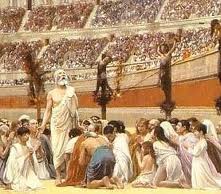 | Generally defined at the time between the Crucifixion of Jesus(30CE and the First Council of Nicea, 325 CE. Christians would not worship Roman Gods which contributed to their persecution in the Roman Empire. Monotheistic and encouraged men and women to lead faithful lives that would in turn lead to their salvation. Appealed to the lower classes and women., 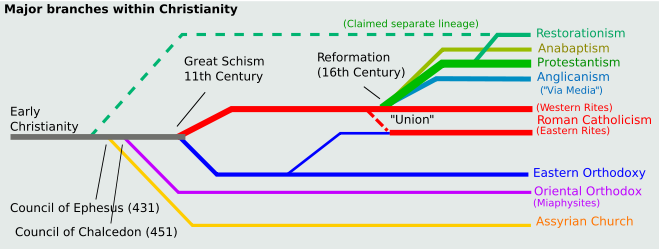 |
Confucius, 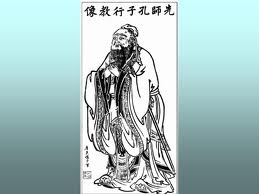 | Lived in China during the Warring States and sought to restore order to China. A strong-willed man who often disagreed with the Chinese government. Left province of Lu in search of a chance at promotion, traveled for ten years; returned fruitless and died five years later. An educator and political advisor. Students recorded his teachings in the "Analects," which has had a large impact on Chinese gov't and culture. Believed that those in position of authority should provide for and set an example for those below them. those below should be loyal and obey those above them. Friend/Friend was the only equal relationship. |
Judaism,  | Judaism is the oldest known monotheistic religion still practiced in the world today. Its fundamental teachings have been influential and are the basis for more recently developed religions such as Christianity and Islam. The Basics Founder-Abraham is generally recognized as the founder of Judaism due to his covenant with God. However, Moses is also considered a founder due to his role in the liberation of the Hebrews from Egypt, and his delivery of the Ten Commandments from Mount Sinai sometime around 2000 BCE. Geographic Origin-Developed in the Middle East in and around the area that is currently Israel. Currently Practiced-Worldwide, but the greatest majority of Jews reside in Israel, the United States, and the former Soviet Union. Significant Writings-Torah and Talmud. Places of Worship-Jews worship in temples called synagogues. |
Animism,  | Background Animism is the oldest known type of belief system in the world. It is still practiced in a variety of forms in many traditional societies. The Basics Founder-There is no one person who is considered the founder of Animism. Geographic Origin-Developed simultaneously in different parts of the world. Currently Practiced-World-wide, but most common in areas of Africa and the Americas. Significant Writings-Most traditional cultures that practice Animism also have an oral tradition of story-telling, rather than a developed writing system. Places of Worship-Animist rituals tend to take place outdoors in nature. Significant Religious People-Animist rituals are typically conducted by a Shaman, Medicine Man, or Medicine Woman. Teachings and Beliefs Animists practice nature worship. They believe that everything in the universe has a spirit. This is exemplified by the practices of the Plains Indians in North America who would praise the spirit of the buffalo that they killed for giving its life to them so that they might survive. Animists also believed that ancestors watch over the living from the spirit world. This belief resulted in ancestor worship as a means of communicating with and showing respect to ancestors. |
Shintosim, 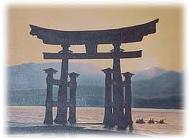 | Background Shinto, which means "Way of the Gods," is the traditional religion of Japan that focuses on nature. Many consider Shinto to be a form of Animism due to the many similarities found between them. Basics Established: Shinto was was founded around the year 500 BCE. Founder: Evolved from a mixture of tribal religions with similar beliefs. Geographic Origin: Developed on the Japanese archipelago. Currently Practiced: Most common in Japan. Significant Writings: Kokiji, or Record of Ancient Matters and Nikong, or Chronicles of Japan. Places of Worship: Shinto shrines are usually dedicated near sites of impressive natural beauty (e.g., mountains, lakes, etc.), or of historical importance to Japan. The entrance to these shrines is usually indicated by the presence of a red gateway called a torri. Significant Religious People: Traditionally, the Emperor of Japan was considered to be a direct descendant of the Sun Goddess who created the Japanese islands. Therefore, the Emperor was considered divine by the people who practiced Shinto. After Japan surrendered to the United States in WWII, Emperor Hirohito renounce his divinity and political authority. Teachings and Beliefs Shinto teaches that there is a sacredness of the whole universe and that humans can be in tune with this sacredness. Every mountain, river, plant, animal, and all the diverse phenomena of heaven and earth have spirits, or kami, which inhabit them. Reverence is paid to the ancestors through the practice of ancestor worship., 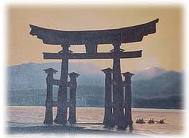 |
Christianity,  | Background Christianity is currently the most popular religion in the world based on the number of worshippers found throughout the world. While this monotheistic religion developed from Judaism, there are several key differences in its teachings. The Basics Founder-Jesus of Nazareth and his disciples who helped spread his teachings. Geographic Origin-Developed in Judea (now Israel), located in the Middle East bordering the Mediterranean Sea sometime around the year 30 CE. Currently Practiced-Christianity is the dominant religion in North America, South America, Europe, and Russia. Significant Writings-The Holy Bible, consisting of both the Old Testament and the New Testament. Places of Worship-Christians practice their faith in temples usually referred to as churches. Teachings and Beliefs Because Christianity evolved from Judaism, there are certain concepts that these two religions share. For example, both Jews and Christians subscribe to the Ten Commandments found in the Book of Exodus. In addition, prophecies of Jewish prophets contained in several books of the Old Testament stated that God would send a savior, or messiah, to the people of Israel. While Judaism clearly states that this event has not yet occurred, Christians believe that Jesus of Nazareth was the Son of God, sent to redeem the world of sin. This has led the Christian faith to proclaim that there is a Holy Trinity, formed by the Creator (Father), Redeemer (Son), and Sustainer (Holy Spirit). Christians believe that these three entities are all part of a single higher power. Christians are expected to attend church services regularly, usually on Sundays and holy days such as Christmas and Easter. On these occasions Christians take part in sacraments, which are religious practices such as baptism, and receiving the Eucharist. |
Islam, 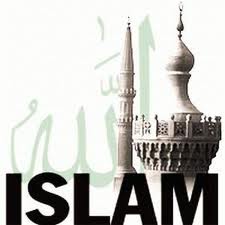 | slam, which when translated from Arabic, means "to submit to the will of Allah," is the youngest of the world's major religions. Worshippers of this monotheistic religion are known as Muslims, which means "one who submits to the will of Allah." Islam is currently the second most practiced religion in the world. Geographic Origin-Developed on the Arabian Peninsula in the year 622 CE, and quickly spread to other regions. Significant Writings-The teachings of Islam are collected in the Qur'an. Places of Worship-Muslims may gather to worship in temples called Mosques (see picture above). Significant Religious People-The Caliph, or successor to the Prophet Mohammed; Imam, leader of prayers; and the Muezzin, or one who issues a call to prayer, causing the faithful to gather at the local Mosque. Mohammed and his followers later returned to Mecca and declared a jihad, or holy war, after which he captured the city. Under Mohammed's leadership, the basic teachings of Islam were established, which are known as the Five Pillars of Islam. Every Muslim is expected to follow these rules in order to lead an ethical life: (Confession of Faith, Pray 5 times a day, pilgrimage to Mecca, Fasting during Ramadan, Charity (alms to the poor). The flight of Mohammed from Mecca to Median was instrumental to the founding of the religion of Islam, and is known as the Hegira. Thus, in 622 CE Islam was founded and this date became the starting point for the Islamic calendar., 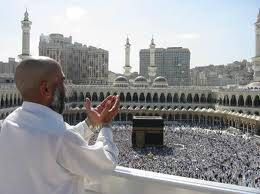 |
|
|
|
|
|
|
| |

