| A | B |
|---|
| Protein kinases | a type of enzyme that transfers phosphate groups from high-energy donor molecules, such as ATP, to specific substrates. |
| The activation of the tyrosine kinase receptors results in | dimerization and phosphorylation |
| Molecules that can pass through a cell membrane | hydrophobic and small molecules |
| Second messengers | Ca ions and cAMP |
| What cholesterol does for the membrane. | It maintains membrane fluidity |
| Glycoproteins | Membrane surface proteins for cell recognition. |
| Active transport | Movement of molecules against the concentration gradient requiring energy |
| Ligand | A small molecule that specifically binds to another molecule |
| Transcription factors | Determine which genes are turned on |
| Chromatid | A replicated chromosome |
| Centromere | Holds sister chromatids together. |
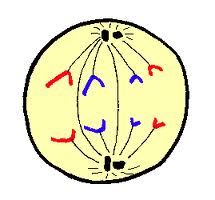 | Anaphase |
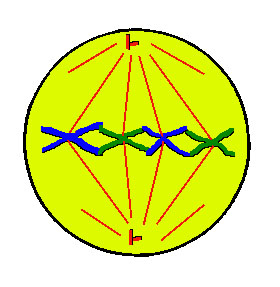 | Metaphase |
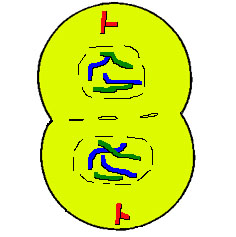 | Telophase |
| Mitotic spindle fibers are made of | microtubules |
| The contractile ring is made up | actin microfilaments |
| A protein maintained at constant levels throughout the cell cycle | CDKs |
| Nerve and muscle cells are in this phase | G0 phase |
| DNA is replicated during this phase | S phase |
| The cell prepares for mitosis by synthesizing mitotic enzymes | G2 phase |
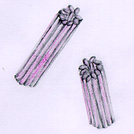 | Centrioles |
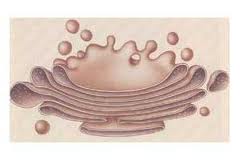 | Golgi body |
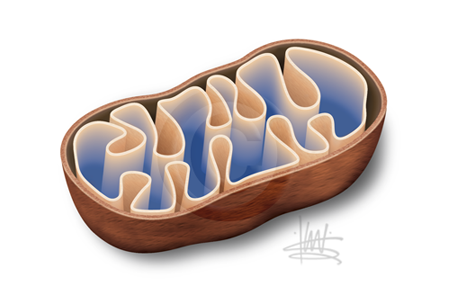 | Mitochondria |



