| A | B |
|---|
| PYLON | a pair of truncated, pyramidal towers flanking the entrance to an Egyptian temple. EX: The Temple of Horus at Edfu, 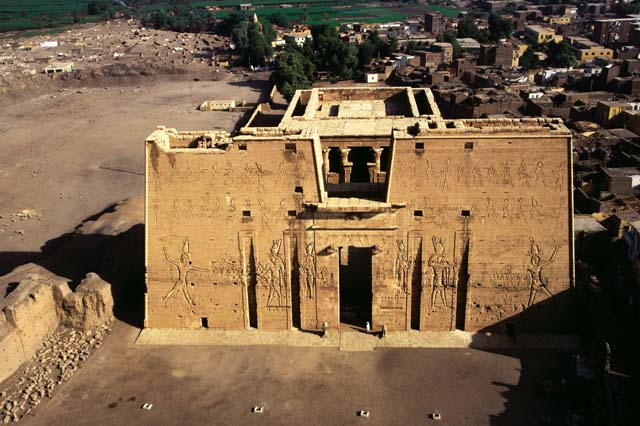 |
| HYPOSTYLE | a post-and-lintel hall with a roof supported by rows of columns. EX: apadana (audience hall) at Persepolis (Persia), 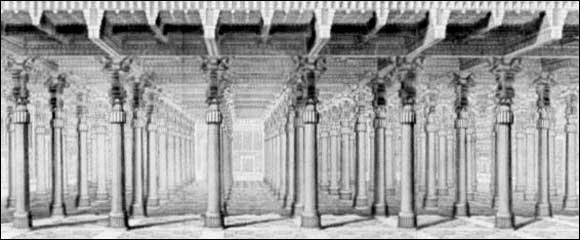 |
| HIERARCHICAL SCALE | a "schematic device" whereby the more important figures are represented as larger than less important ones. EX: Stele of Naram-Sin (Akkadia), 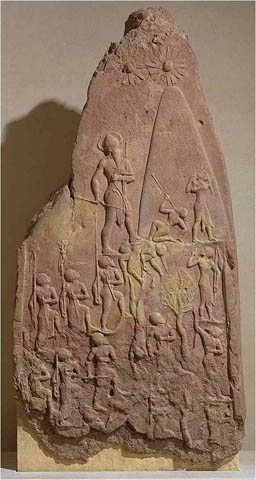 |
| REGISTER | one of a series of rows in a pictorial narrative. EX: Standard of UR, 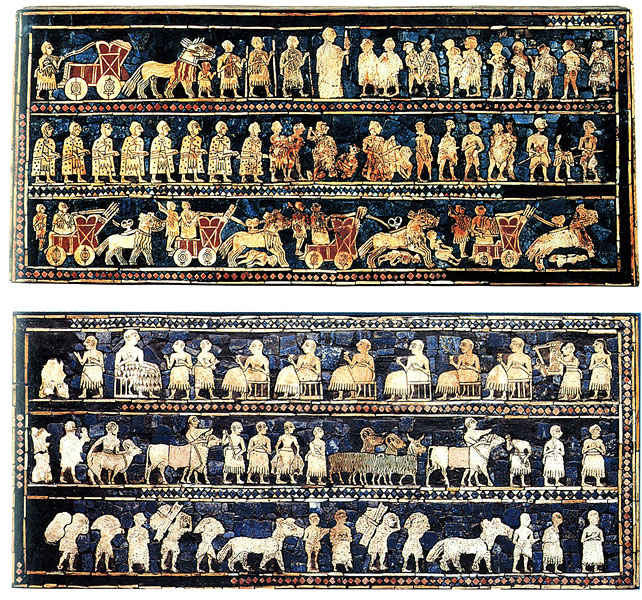 |
| REPOUSSE | a technique in which a relief is formed on the front by hammering a metal plate from the back. EX: Funeral mask from Mycenae, 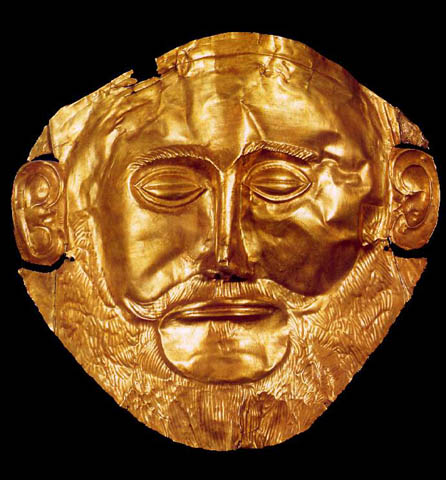 |
| CORBEL | a vault formed by piling stone blocks in horzontal courses, cantilevered inward until the two walls meet in an arch. EX: Lioness Gate, Mycenae, 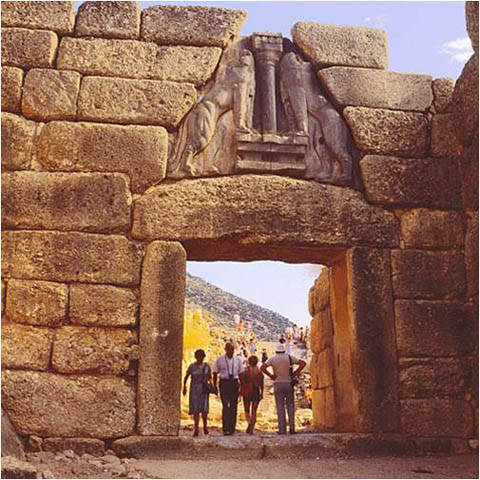 |
| KOUROS | an Archaic Greek statue of a standing male nude. EX: Anavyssos Kouros, 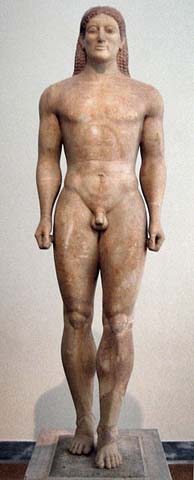 |
| KORE | an Archaic Greek statue of a standing, draped female. EX: La Delicata, 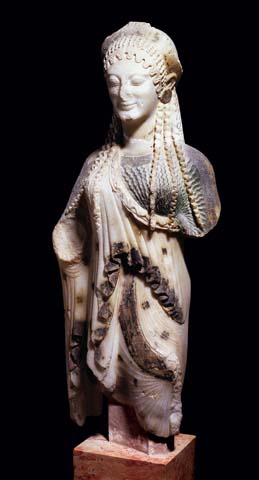 |
| CARYATID | a column carved to represent a woman. EX: reconstruction drawing of Treasury of the Siphnians, 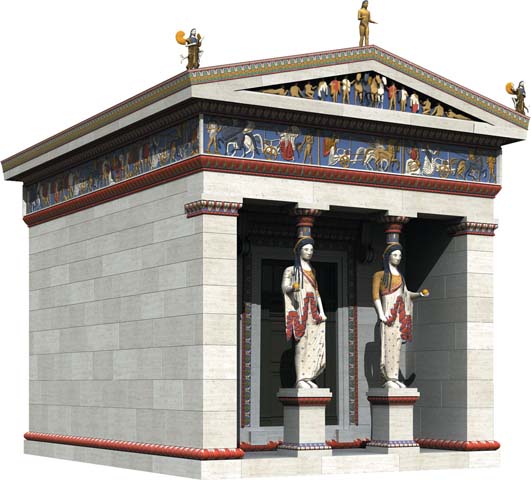 |
| PEDIMENT | in Classical architecture, the triangular section of a temple roof often decorated with sculpture. EX: Pediment from Temple of Artemis, Korfu, 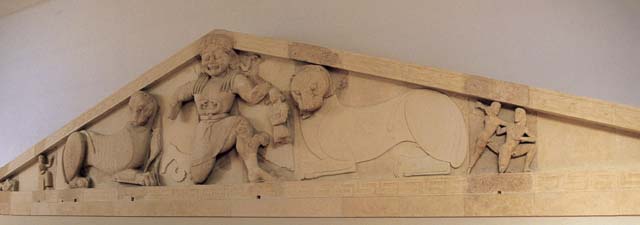 |
| ENTABLATURE | In Classical architecture, the part of the building above the columns and below the roof. Includes architrave, freize and cornice., 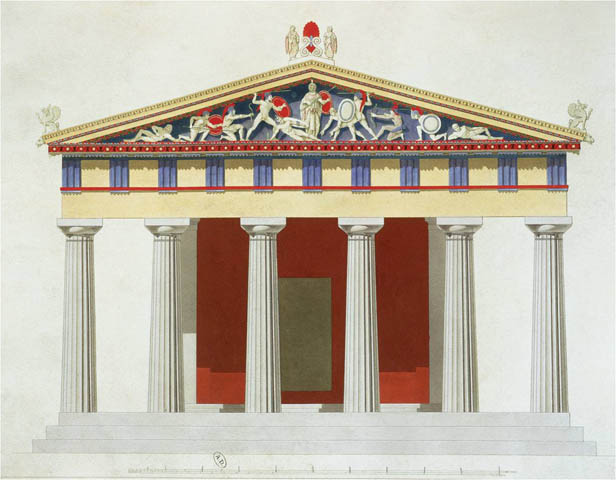 |
| CONTRAPPOSTO | The relaxed natural pose, or "weight shift," first introduced in Greek sculpture in 480 BCE. Contrapposto separates Classical from Archaic statuary. EX: Kritios Boy, 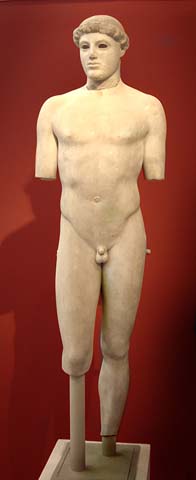 |
| FRIEZE | In Classical architecture, a frieze is a continuous horizontal band of sculptural decoration. EX: The outer Frieze from the Parthenon, 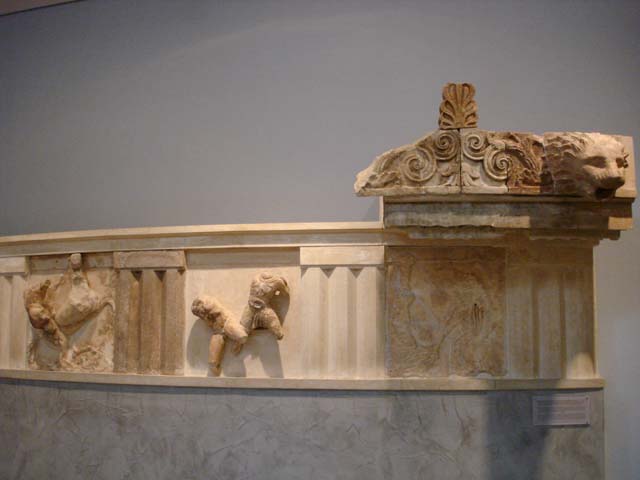 |
| MOSAIC | Images composed of small pieces of glass or stone. EX: The Alexander Mosaic, 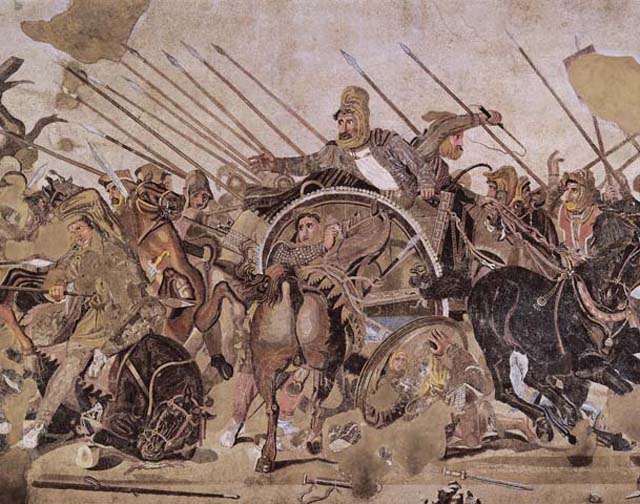 |
| VOUSSOIR | A wedge-shaped block used in the construction of a true arch. The central voussoir, which sets the arch, is called the KEYSTONE.,  |
| PENDENTIVE | The concave triangular section of a vault that forms the transition between a square or polygonal space and the circular base of a dome. These dome supports were first used by Byzantine builders. EX: Hagia Sophia, 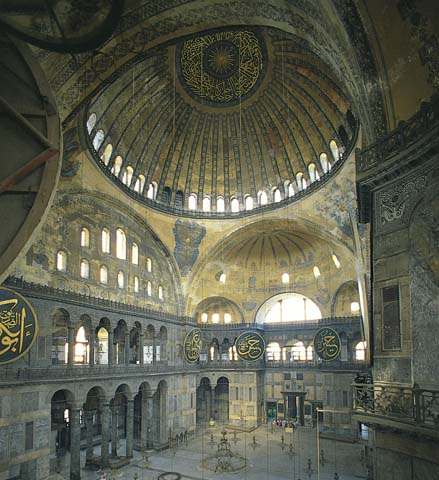 |
| ICONOCLASM | A movement in the Byzantine Empire that favored banning and destroying images. |
| ENCAUSTIC | A painting medium in which pigment is mixed with wax and applied to a surface while hot. EX: Jasper John's Pop Art painting, "Flag", 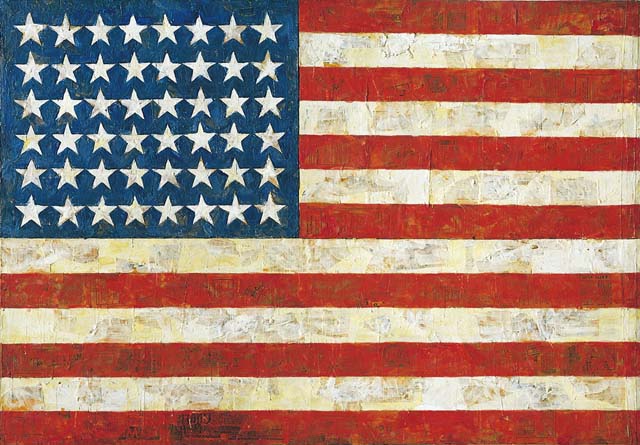 |
| MIRHAB | A semicircular niche set into the qibla wall of a mosque., 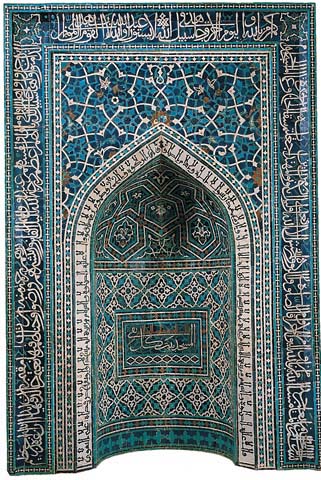 |
| CLOISONNE | Enamels fused inside a wire enclosure (a cloison) on a metal or porcelain ground, forming chambers (cloisons) to receive vitreous enamel pastes. EX: purse cover from Sutton Hoo,  |
| WESTWORK | The facade and towers at the western end of a medieval church, especially in Germany. |
| AMBULATORY | The passageway around the apse and choir of a church. This element was originally a feature of Romanesque churches that developed in conjunction with their use as pilgrimage centers. |
| TYPMANUM | The lunette-shaped space above the portals of Romanesque and Gothic churches. EX: Last Judgment Tympanum at Autun, 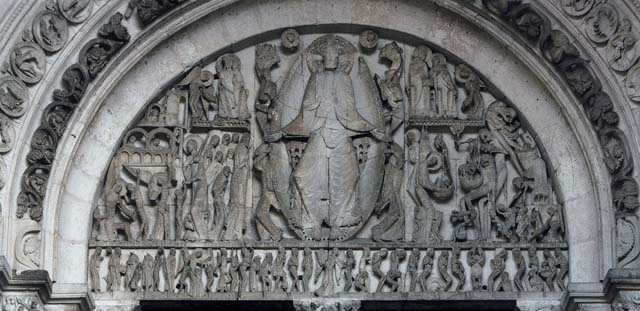 |
| CLERESTORY | A row of windows in the upper part of a wall. EX: view of the high windows in an Egyptian pylon temple at Karnak, 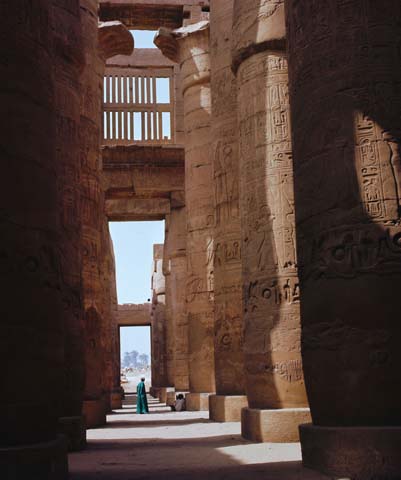 |
| BARREL VAULT | A vault is a curved roof or ceiling. A barrel vault is, in effect, a deep arch or an uninterrupted series of arches. EX: Nave vault of Saint-Savin-sur-Gartempe (French Romanesque), 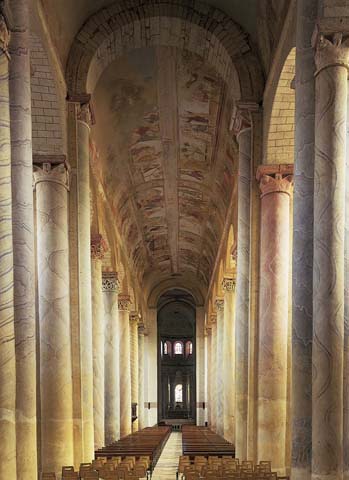 |
| GROIN VAULT | Vault formed at the point at which two barrel vault intersect at right angles., 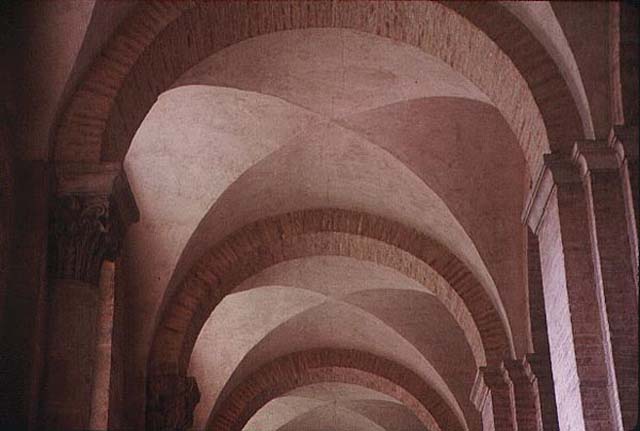 |
| CRYPT | A vaulted space usually located under the apse of a church. Because this space is wholly or partly underground, it cannot be found in the nave elevation of a church. |
| VELLUM | Calfskin prepared as a surface for writing or painting. EX: the Lindisfarne Gospels, 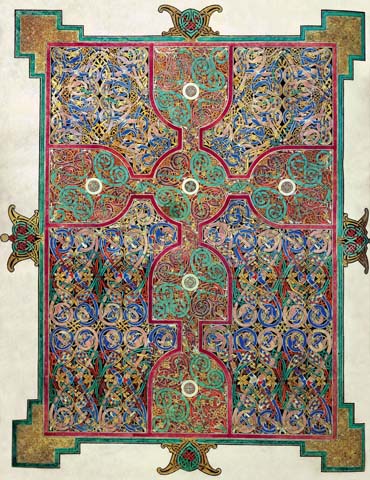 |
| DIPTYCH | A two-paneled painting or altarpiece. EX: Melun Diptych by Jean Fouquet (French Renaissance), 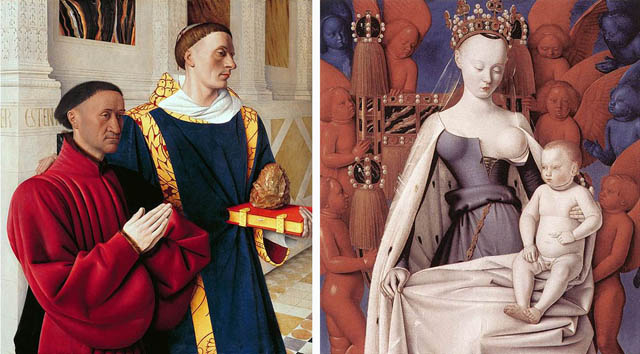 |
| TRIPTYCH | A three-paneled painting or altarpiece. EX: Raising the Cross Altarpiece, Rubens (Baroque, Flemish), 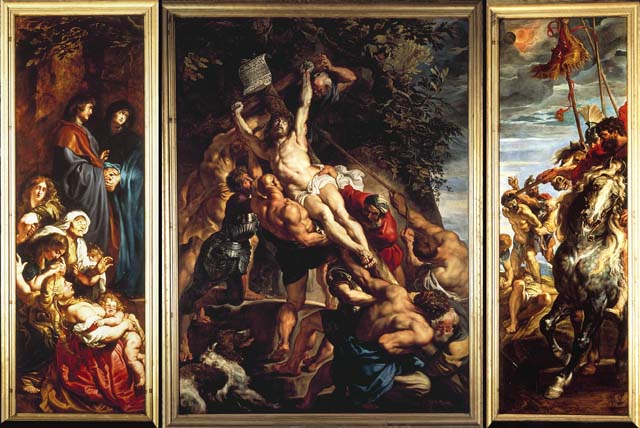 |
| PREDELLA | The painted or sculpted lower portion of an altarpiece that relates tot he subjects of the upper portion. EX: Eisenheim Altarpiece, Grunewald (German High Renaissance), 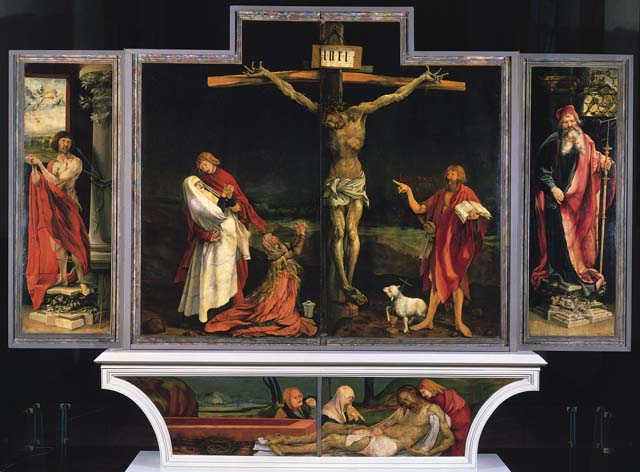 |
| CHIAROSCURO | In drawing or painting, the treatment of light and dark, especially by graduations of light that produce the effect of modeling. EX: "Expulsion from Eden," Masaccio (Early Renaissance Italy), 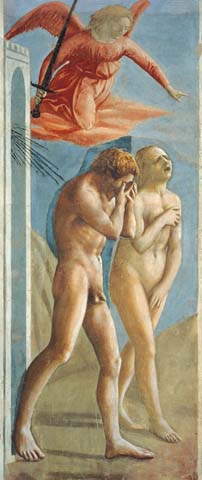 |
| CARTOON | In painting, a full-size preliminary drawing from which a painting is made. EX: Madonna and Saint Anne with Christ and the Infant St. John, Leonardo da Vinci (High Renaissance Italy), 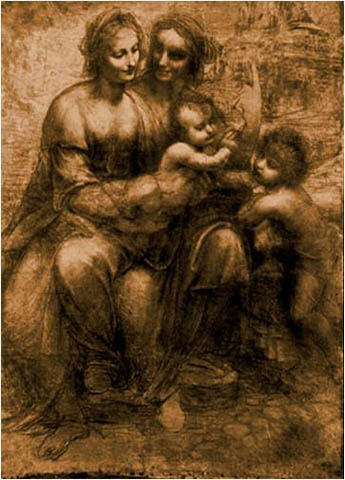 |
| ECORCHE | A figure drawn or painted to show the muscles of the body as if without skin. EX: Battle of Ten Nudes, Paiuolo (Early Renaissance Italy), 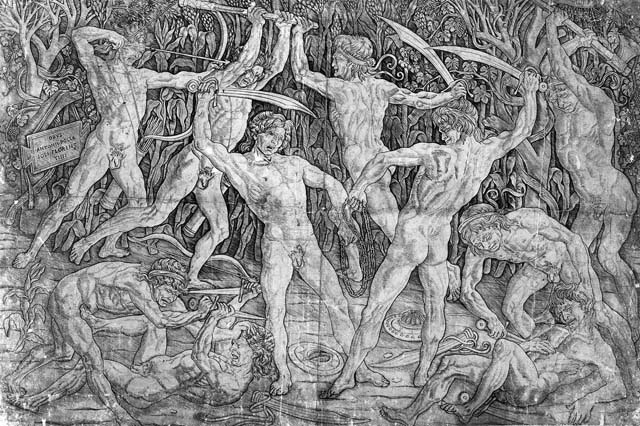 |
| ORTHOGONAL | A line imagined to be behind and perpendicular to the picture plane. The orthogonals in a painting appear to recede towards a vanishing point., 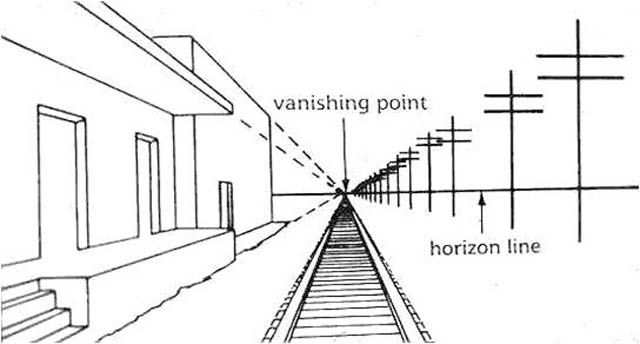 |
| INTAGLIO | A graphic (printmaking) technique in which the design is incised, or scratched, on a metal plate, either manually (engraving) or chemically (etching). The incised lines take the ink, making this the reverse of the woodcut technique. EX: "Temptation of St. Anthony," engraving by Schongauer (15th C Germany), 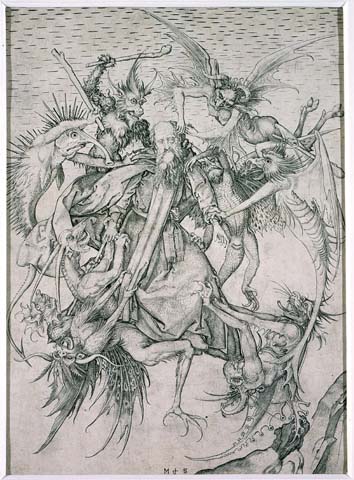 |
| IMPASTO | A painting technique in which the artist applies thick layers of paint. EX: Rembrandt, 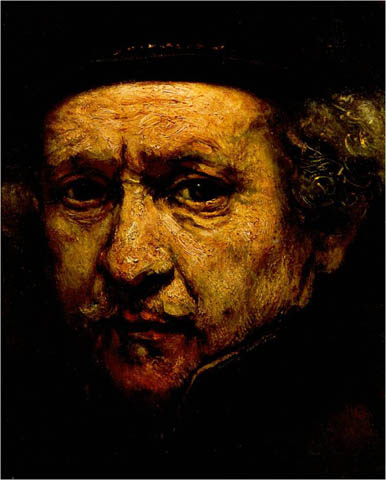 |
| JAPONISME | The French fascination with all things Japonese. Japonisme emerged in the second half of the nineteenth century. The Impressionists and Post-Impressionists were particularly impressed with the use of bold contour lnies, flat areas of color, and cropped edges in Japonese woodblock prints. EX: Two images, one Japonese print (by Hiroshige) a painting by the Post-Impressionist Gauguin, 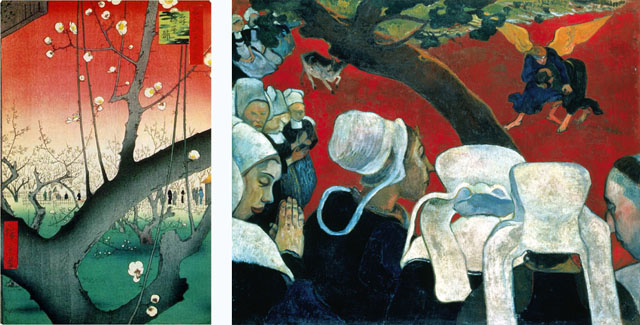 |
| AVANT-GARDE | Late Nineteenth- and Twentieth-century artists whose work emphasized innovation and challenged established conventions. |
| BAUHAUS | A school of architecture and industrial design in Germany in the 1920s under the leadership of Walter Gropius. EX: The Studio Block of the Bauhaus, 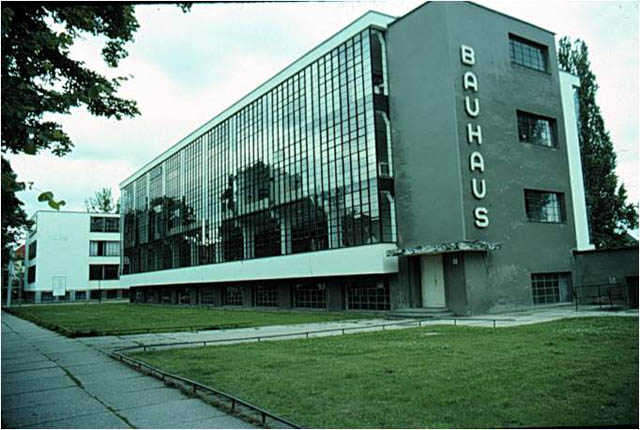 |
| READY-MADE | An ordinary object that, when an artist gives it a new context and title, is transformed into an art object. Ready-mades were important features of the Dada and Surrealism movements of the early twentieth century. EX: Fountain, Duchamp (French Dadaist), 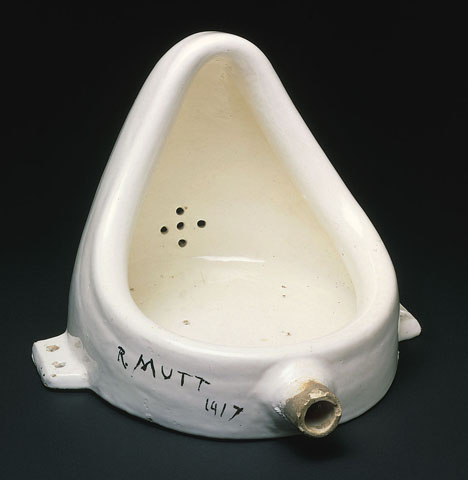 |
| CANTILEVER | A beam or structure that is anchored at one end and projects horizontally beyond its vertical support. EX: Fallingwater, Frank Lloyd Wright, 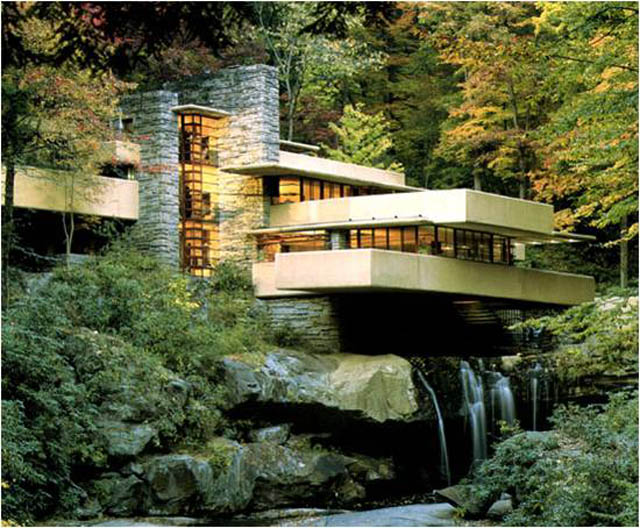 |
| BIOMORPHIC | An adjective used to describe forms that resemble or suggest shapes found in nature. Biomorphs are therefore not abstract shapes. EX: "Human Concretion" by Jean Arp (Swiss Dadaist), 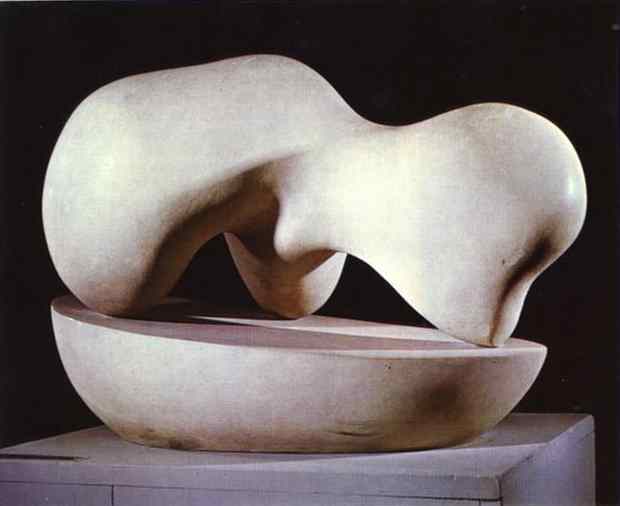 |
| ASSEMBLAGE | An artwork constructed from existing objects. EX: Sky Tower, Louise Nevelson, 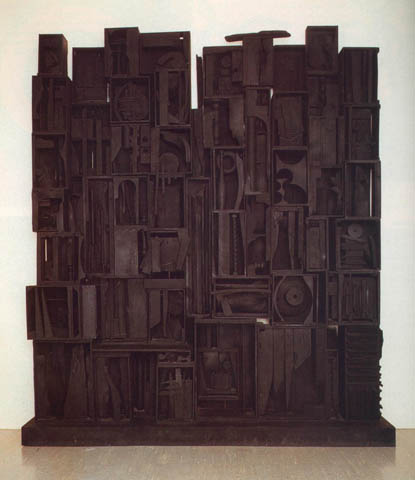 |
| PHOTOMONTAGE | A composition made by pasting together pictures or parts of pictures, especially photographs. Also called photocollage. EX: "What Is It That Makes Today's Homes So Different, So Exciting?" Richard Hamilton (English Pop Artist), 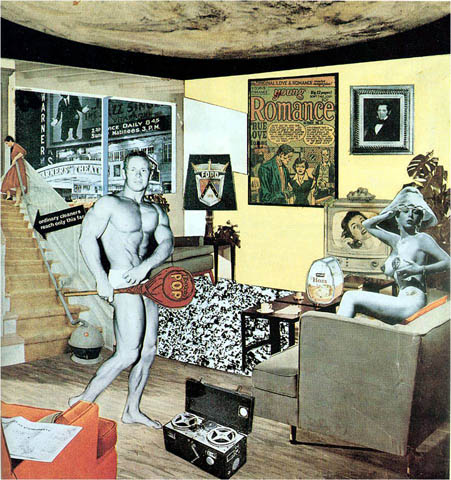 |
| STUPA | A large, mound-shaped Buddhist shrine. EX: Great Stupa at Sanchi, 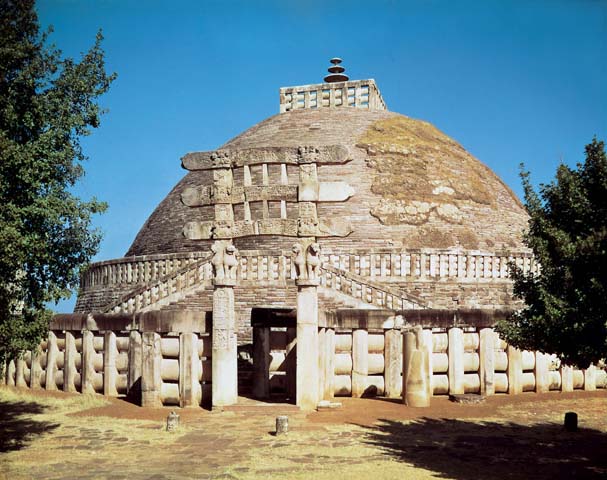 |
| PAGODA | A multi-storied Chinese tower, usually associated with a Buddhist temple, having a multiplicity of projecting eaves. EX: Foguang Si pagoda, Yingxian, China, 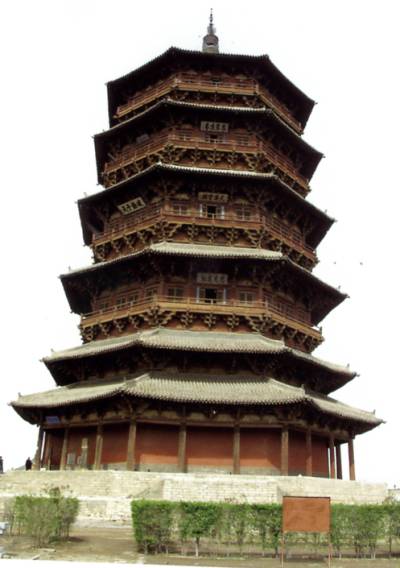 |
| PUEBLO | A communal multistoried dwelling made of stone or adobe brick by the Native Americans of the Southwest. EX: Cliff Dwellings at Mesa Verde, New Mexico, 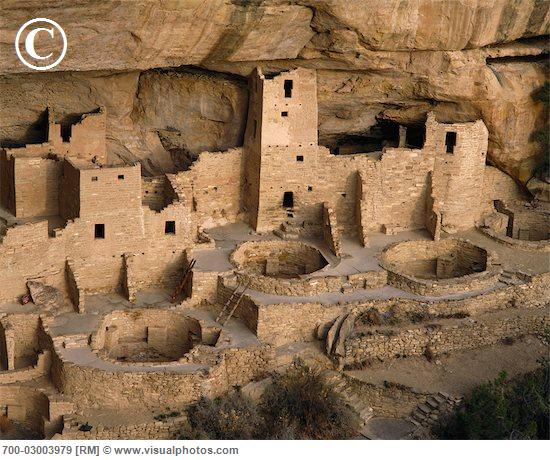 |
| MUDRAH | In Buddhist and Hindu iconography, a stylized and symbolic hand gesture., 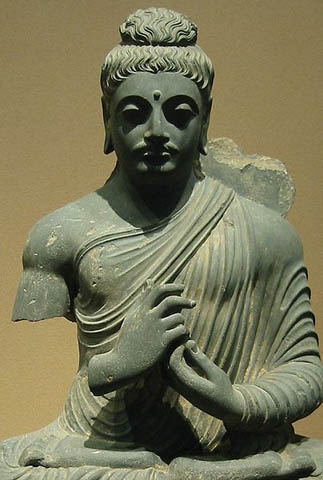 |
| UKIYO-E | Japanese for "pictures of the floating world." A style of Japanese genre (topic was intimate images of geisha) painting that influenced nineteenth-century Western art. EX: "Beauty," Utamoro and "The Bath," Mary Cassatt (American, Impressionist), 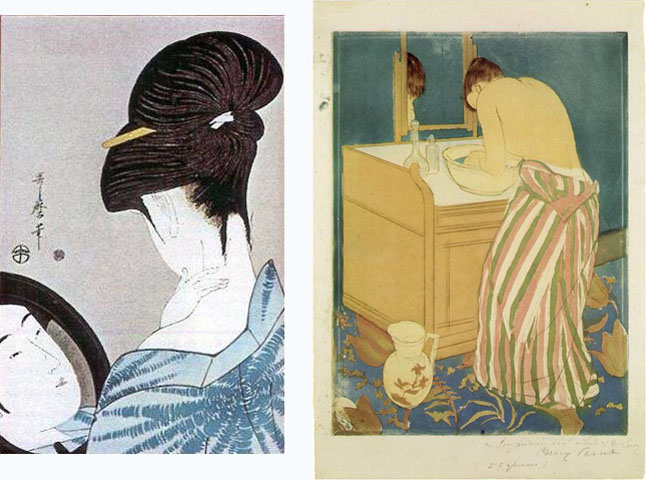 |


