| A | B |
|---|
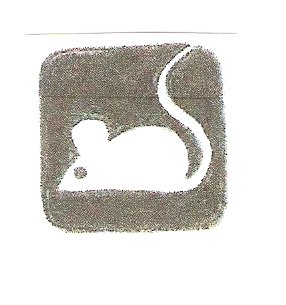 | Treat live or preserved animals with care. |
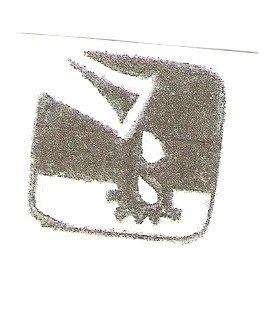 | Handle breakable materials with care. Do not touch broken glassware. |
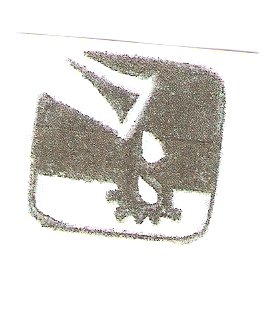 | Avoid getting acid or other corrosive chemicals on skin, clothes, or eyes. Do not inhale! |
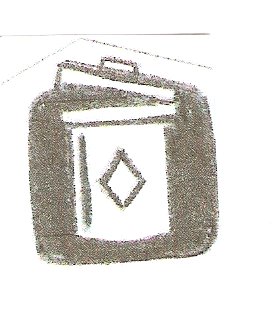 | Dispose of chemicals or other materials safely. Listen for instruction for disposal. |
 | Never use electrical equipment around water, or when the equipment is wet, or your hands are wet. |
 | Flames- tie back loose hair and clothing follow directions for lighting and extinguishing. |
 | Work in a well ventilated area. Avoid inhaling fumes. Use a wafting motion to direct the vaopr toward your nose |
 | Follow verbal instructions provided |
 | Wash hands thoroughly when finished. |
 | use hand protection when handling hot materials. |
 | Use a clamp or tongs to pick up hot glassware. |
 | wear and apron to protect skin and clothing. |
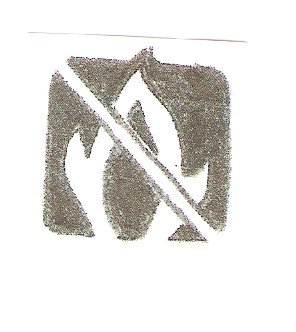 | Make sure to check for sparks, flames, or other heat sources present. |
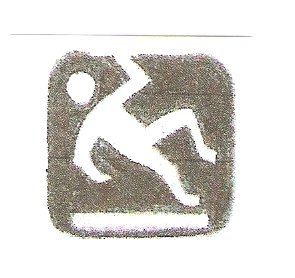 | when an activity requires physical activity avoid injuring yourself or others |
 | Handle plants only as directed. If you are allergic tell your teacher. |
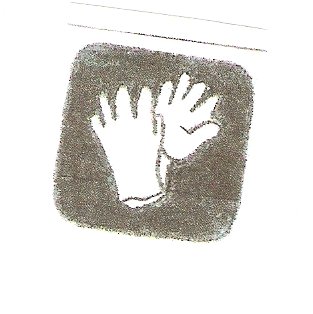 | wear when workinh with chamicals and organisms. Keep hands away from face. |
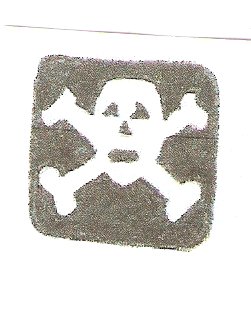 | Do not let poisonous materials come in contact with your skin, and do not inhale vapors. |
 | Weat to protect eyes in any activity involving chemicals, flames, heating, glassware. |
 | scissors, scalpels, knives, needles, pins, and tacks that can cut the skin. Always direct the point away from yourself or someone else. |



