| A | B |
|---|
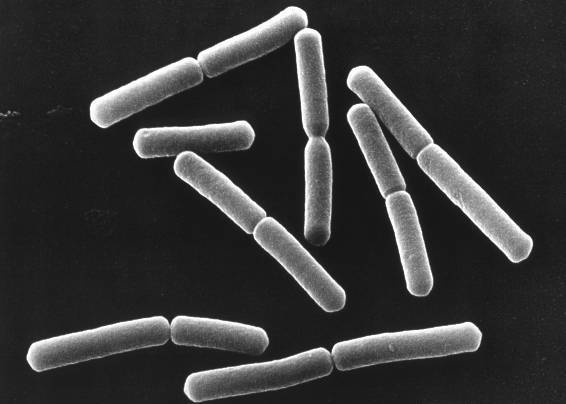 | Bacillus shape of bacteria |
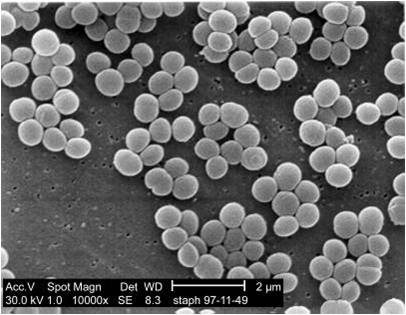 | Cocci shape of bacteria |
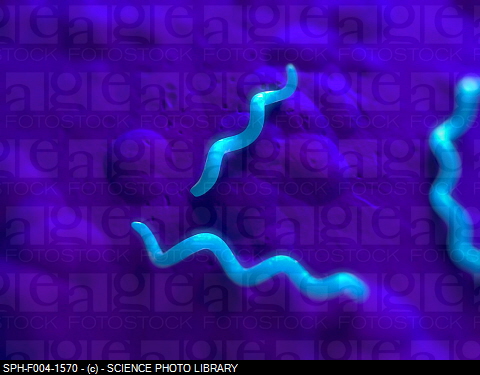 | Spirrila shape of bacteria |
| Any change, other than injury, that disrupts the normal function of the body for a extended period of time | Disease |
| When a potential disease causing organism enters your body. | Infection |
| THe man who established the Germ Theory of Disease | Louis Pasteur |
| Curses, evil spirits,or night vapors | What people used to think was the cause of diseases. |
| Agents that can cause an infectious disease | Pathogens |
| The protist that causes Malaria | Plasmodium |
| The vector for the plasmodium protist that causes malaria | Mosquitoe |
| How diseases are spread | Coughing, touching, contaminated food or water, other organisms |
| THe organism that transmits a pathogen that can cause a disease is also called this | Vector |
| Bacteria are mostly bad True or False | False |
| Organisms that break organic material down into their basic atoms; CHNOPS | Decomposers |
| Places on some roots that house nitrogen fixing bacteria | Root Nodules |
| The bacteria found in root nodules | Rhizobium |
| Plants can use the abundant nitrogen found in the air; true or false | False |
| Bacteria change the N2 in the air into these compounds | Ammonia and nitrate |
| An organism that can make its own food | Autotroph |
| A process that bacteria use in deep sea vents that turns poisons into food | Chemosynthesis |
| Two things that make up a virus | A protein coat around a nucleic acid |
| AIDS, Influenza, the common cold | Diseases caused by viruses |
| Tetnas, strep throat, and Lyme disease | Diseases caused by bacteria |
| A way to control or kill bacteria | Sterilization, refrigeration, disinfectants |
| Hyjacking the cells protein making machinery | How a virus reproduces |


