| A | B |
|---|
| Animal that uses gills to breathe. | 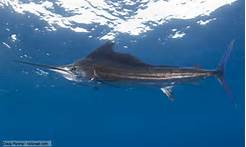 |
| NOT a physical adaptation | hibernation |
| Beak used to drill holes in trees. | 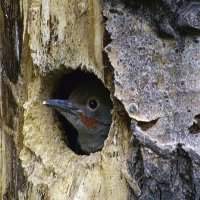 |
| Red Snake lies beside a large red flowers so predators can NOT find | mimicry, 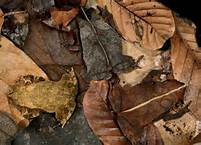 |
| An adaptation used to help an animal blend with its surroundings | camouflage, 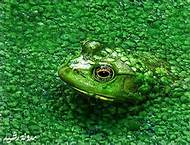 |
| A bear that sleeps all winter in a cave | hibernation |
| When an animal sleeps all winter, it is called | hibernation, 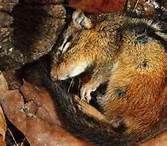 |
| Green grasshopper is hard to find in the gree grass. This is called | camouflage |
| Some butterflies have spots on their wings that look like snake eyes. This is called | mimicry |
| The teeth in this picture are from an animal that would most likely eat. | fish |
| Example of Learned Behavior | A young rhino watching its mother fight a hyena |
| Some animals move from one place to another. | migration |
| What is not an example of a behavior that protects an animal. | Baby zebra wandering away from a herd |
| Animals saves food for the winter months | Squirrel |
| Animal plays dead to trick attackers | Opossum |
| Behaviors that are taught | learned behavior |
| Baby Sea Turtles crawl to the sea | instinct |
| Animal not demonstrating learned behavior | A baby calf drinking milk from mother |
| Birds flying south | migration |
| Baby birds taught to fly by other birds | learned behavior |



