| A | B |
|---|
| Eastern White Pine | 5 needles per fascicle-white lines under needles-elongated cones,  |
| Loblolly Pine | 3 needles per fascicle-prickly cones attached directly to stem, 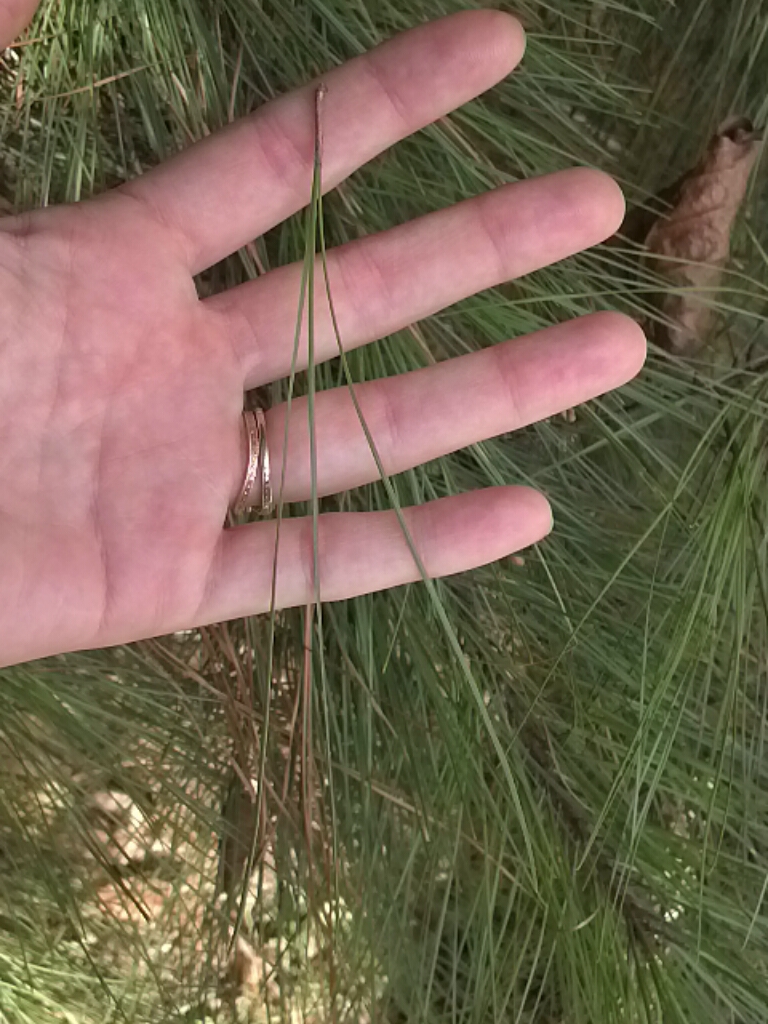 |
| Shortleaf Pine | 2 or 3 needles per fascicle - cones on their own stem, 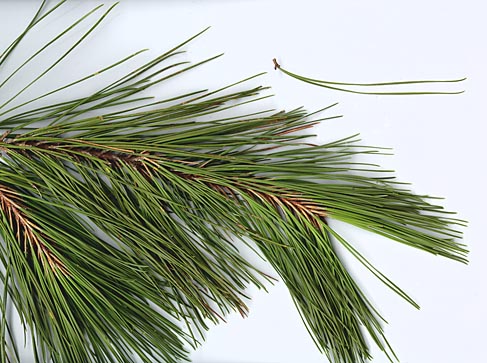 |
| Longleaf Pine | Needles the length of your forearm, 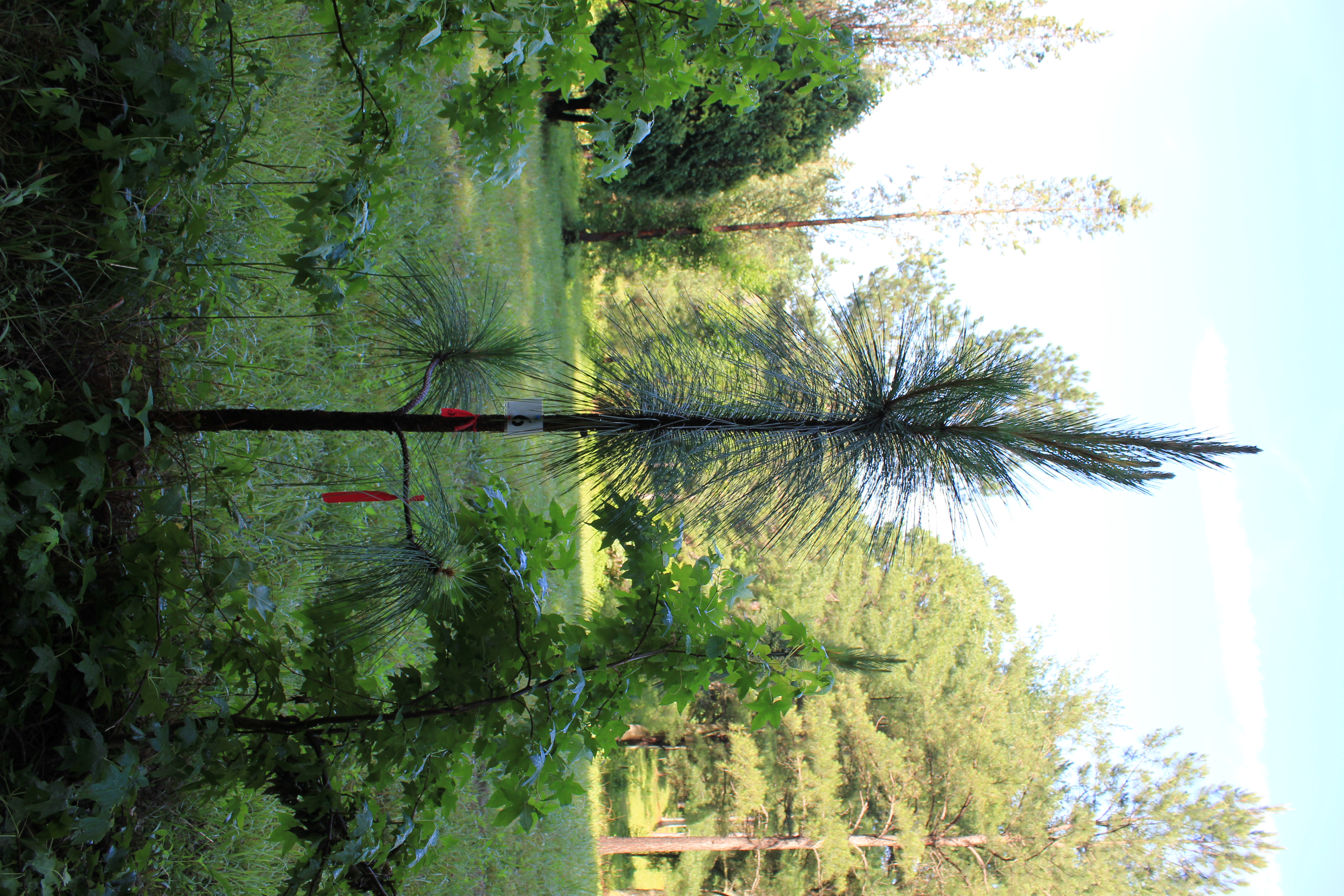 |
| Virginia Pine | 2 needles per fascicle-needles 1.5-3” long and rigid, 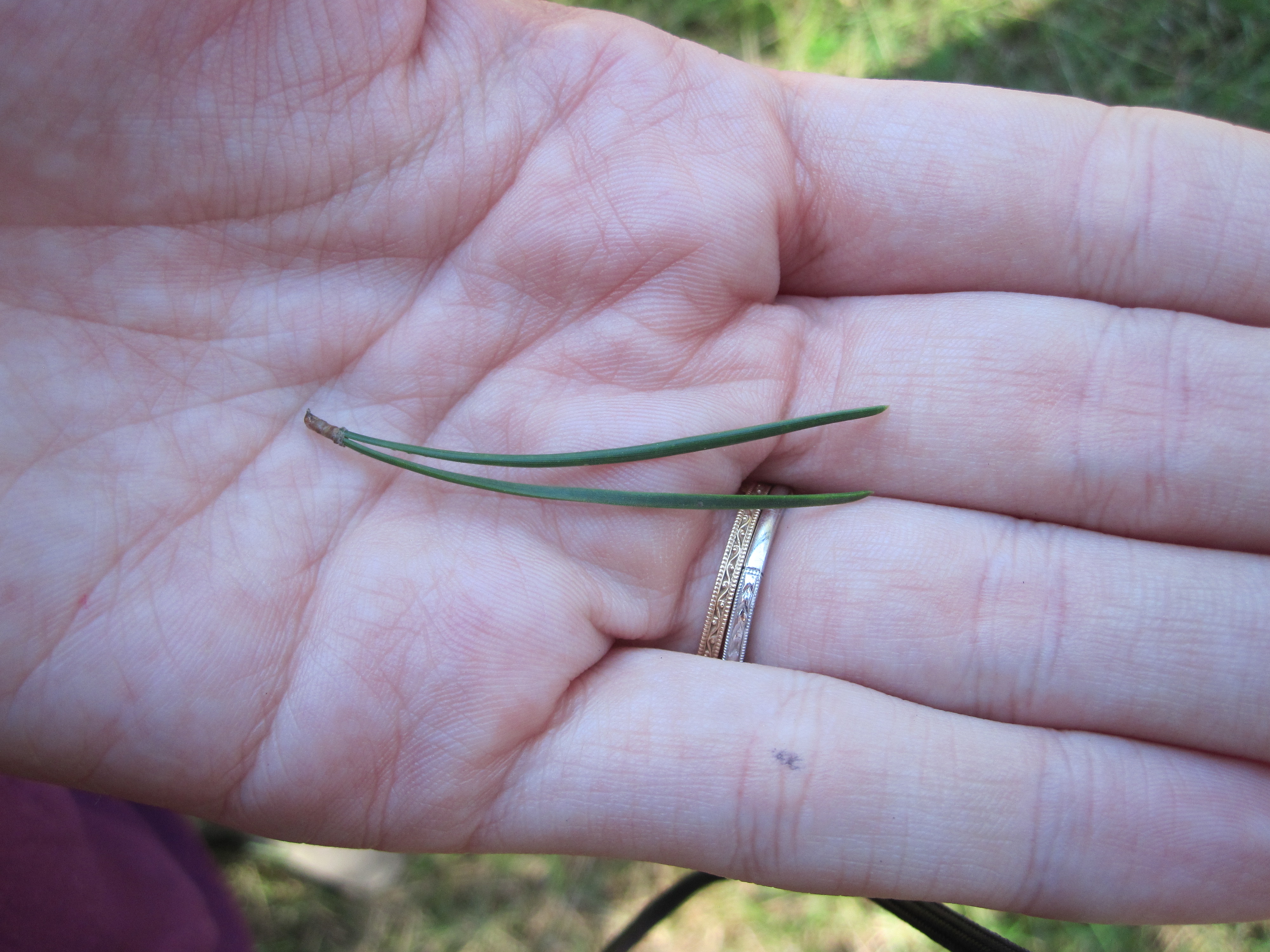 |
| American Holly | Alternate leaf arrangement - dentate leaf margins - red berries, 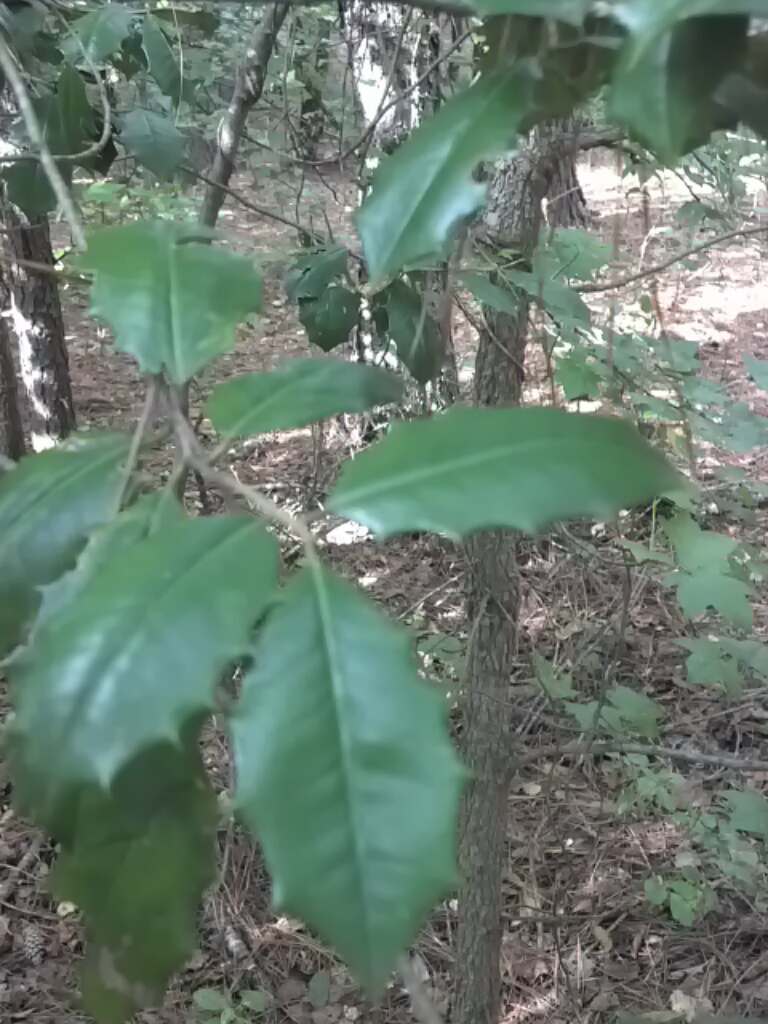 |
| Ash | Opposite compound leaves-entire margins - typically 7 leaflets, 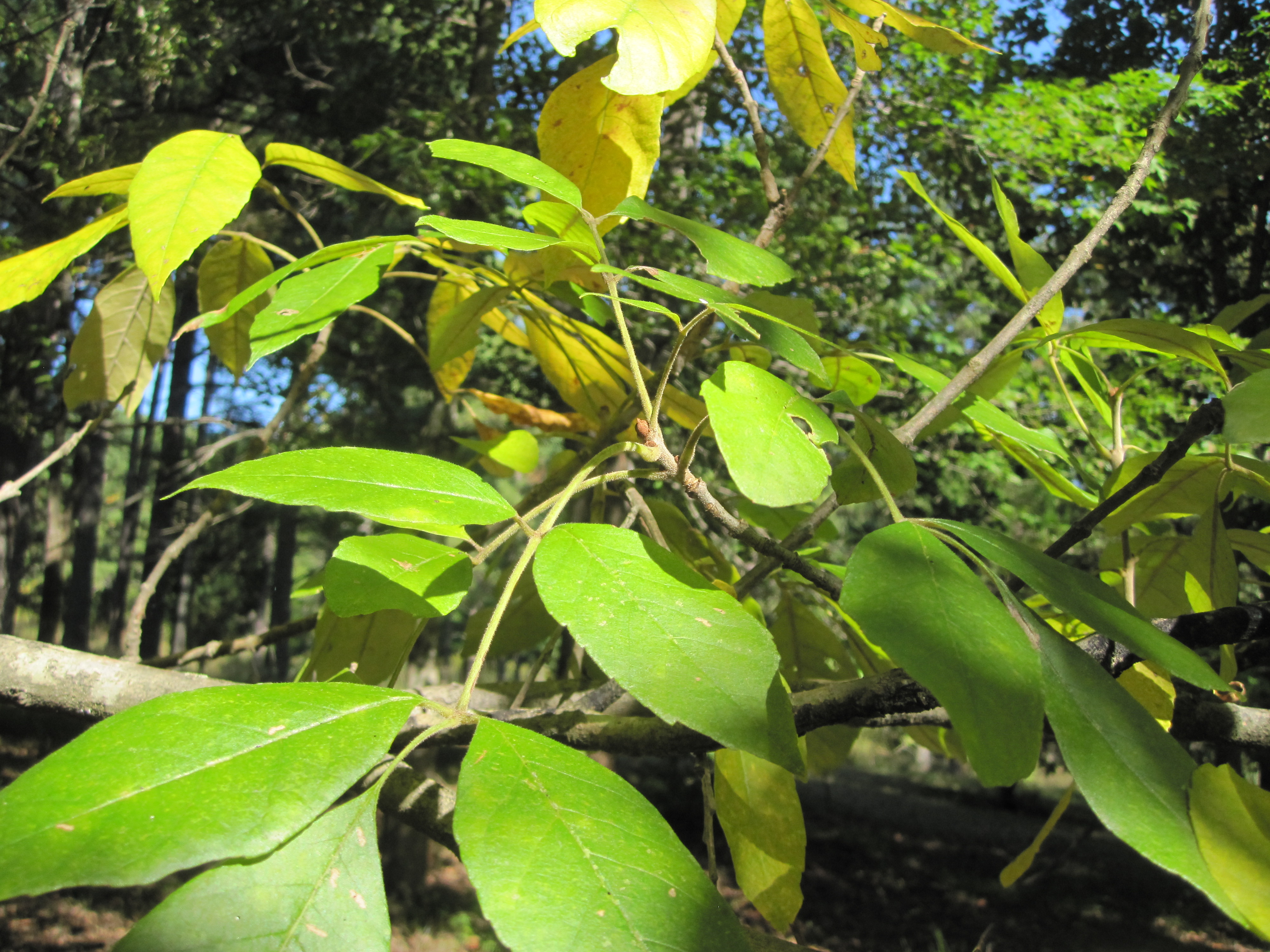 |
| Baldcypress | feather like leaves-red shaggy bark, 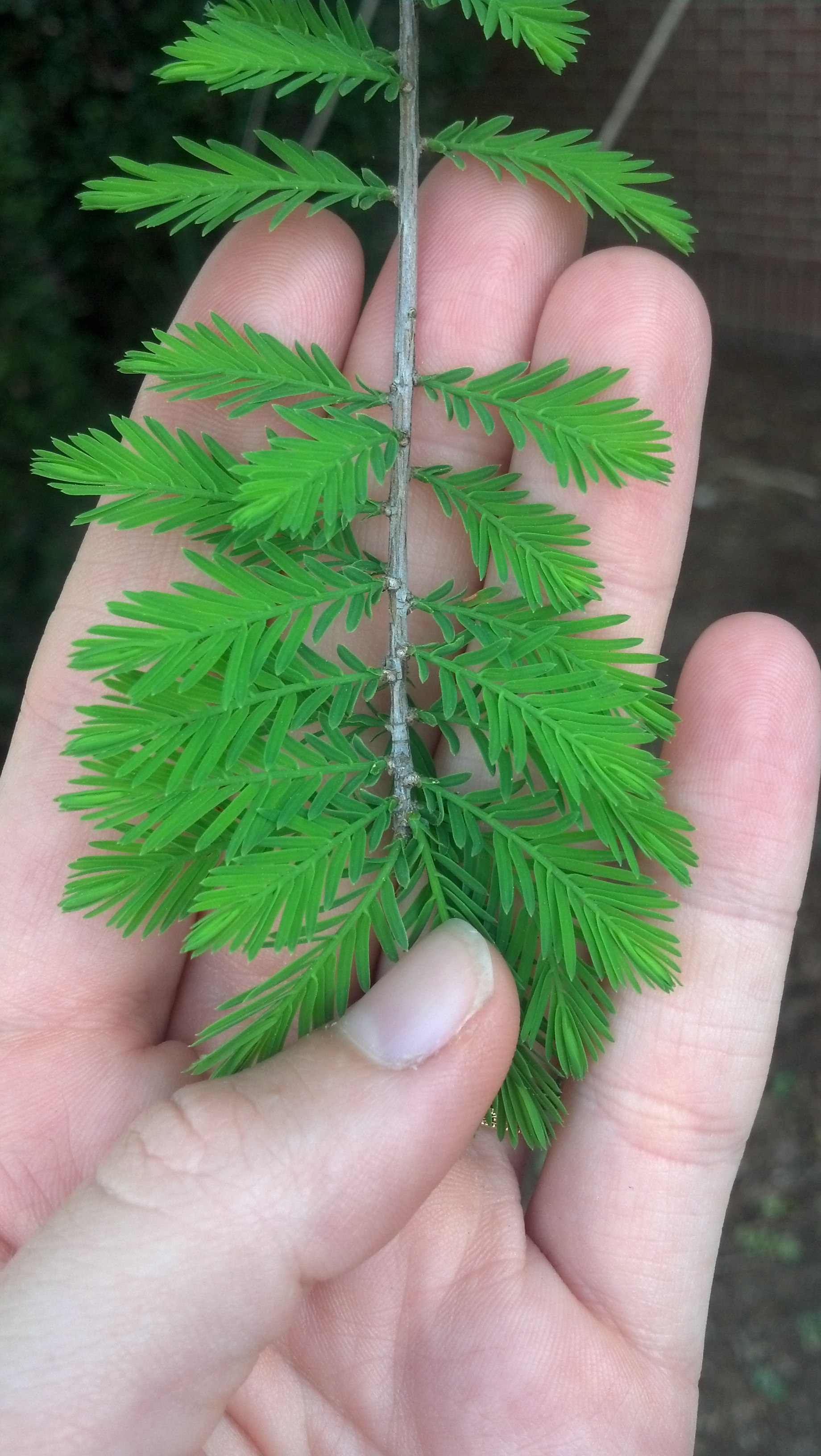 |
| Beech | Alternate leaves -serrated margins -pointed buds-smooth bark, 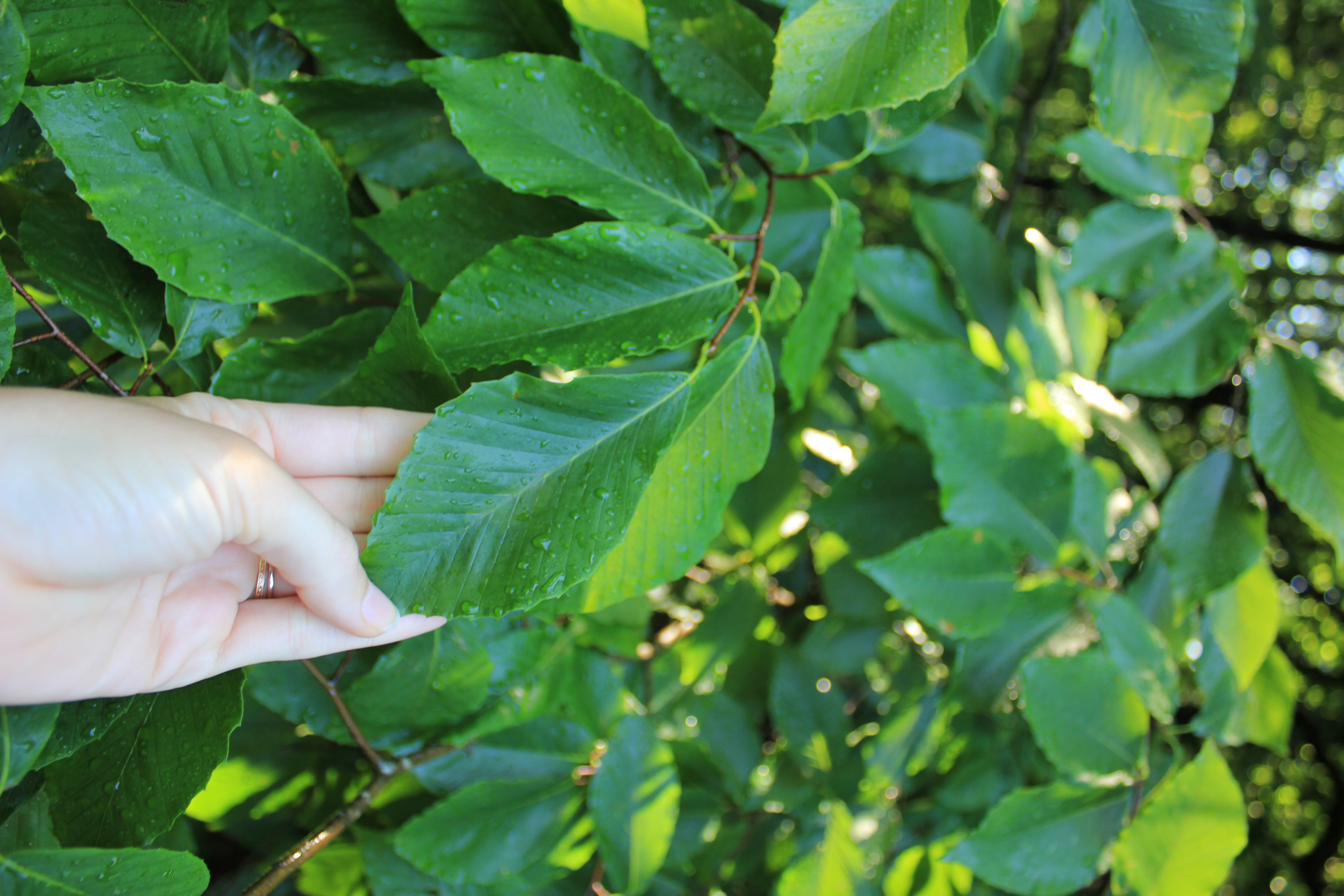 |
| Birch | Alternate leaves- serrated margins - multiple trunks-exfoliating bark, 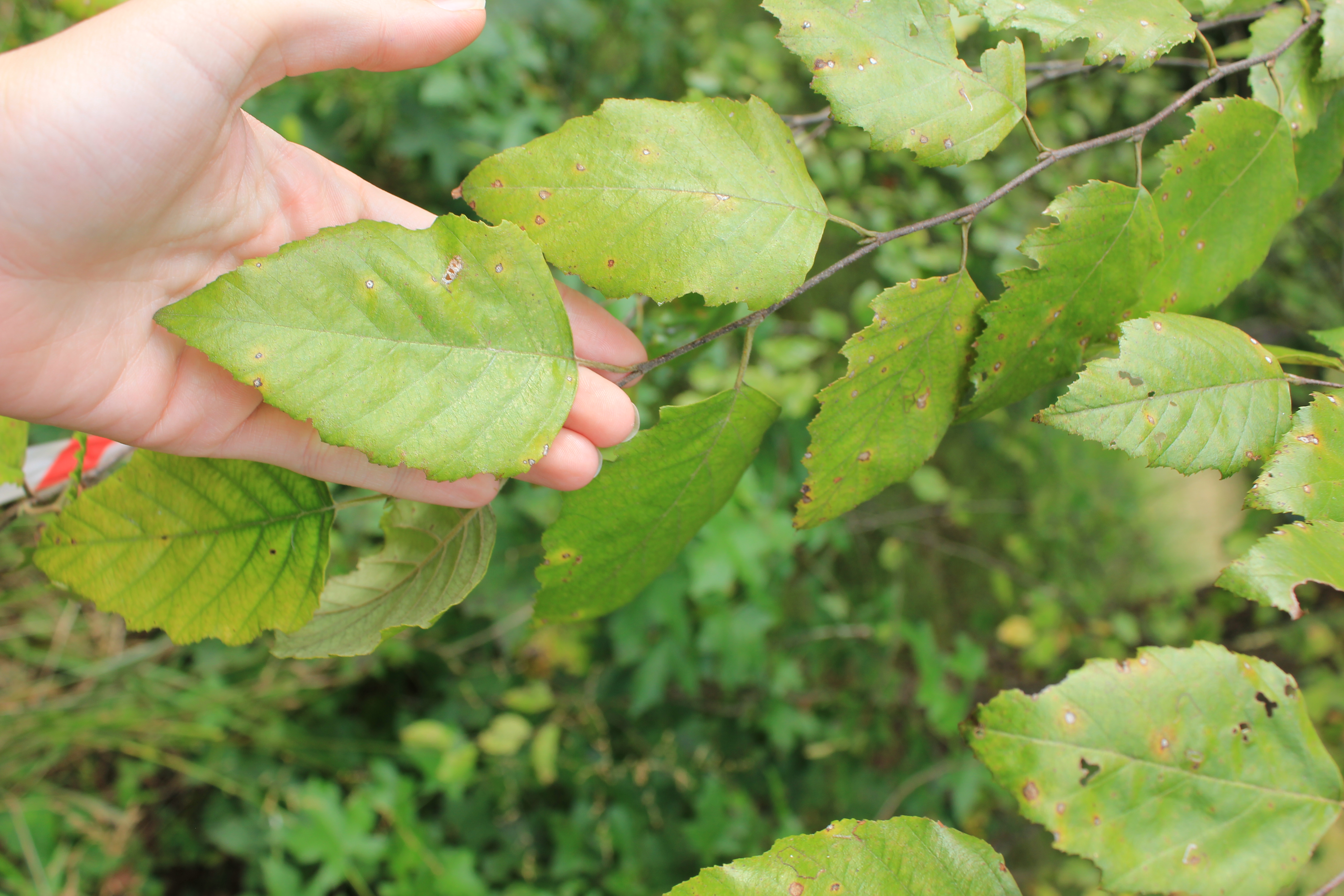 |
| Black Cherry | Alternate leaves– serrated margins – horizontal lenticels,  |
| Blackgum | alternate leaves 2-5” long – entire margins - branches at right angles to the trunk – smooth margins,  |
| Northern Red Oak | alternate leaves – 7-11 lobes – bristle tips - acorn cover just top eighth of nut, 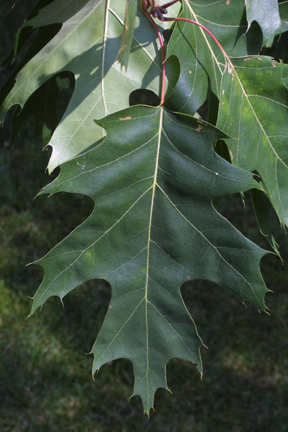 |
| Black Oak | alternate leaves – 5-7 lobes – bristle tips - acorn cover over half of nut – inner bark bright orange/yellow,  |
| Water Tupelo | Alternate leaves 5-7” long – irregular teeth – large buttress root,  |
| Flowering Dogwood | Opposite leaves – entire margin – cubed bark – red berries,  |
| Black Walnut | Compound leaves – 15 to 23 leaflets – round fruit 1.5” in diameter, 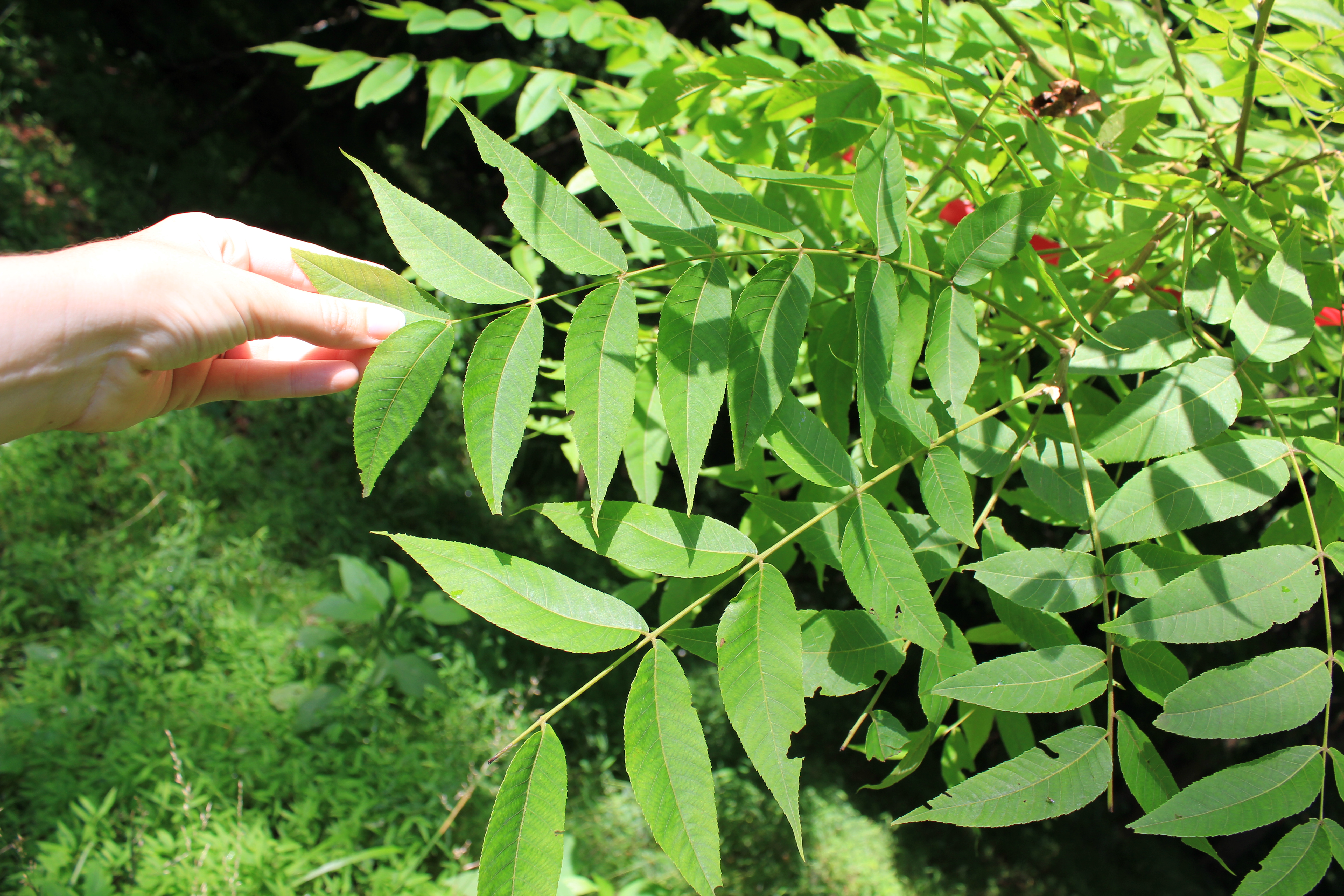 |
| Hickory | Alternate compound leaves – 5 to 7 leaflets – finely toothed or smooth margins, 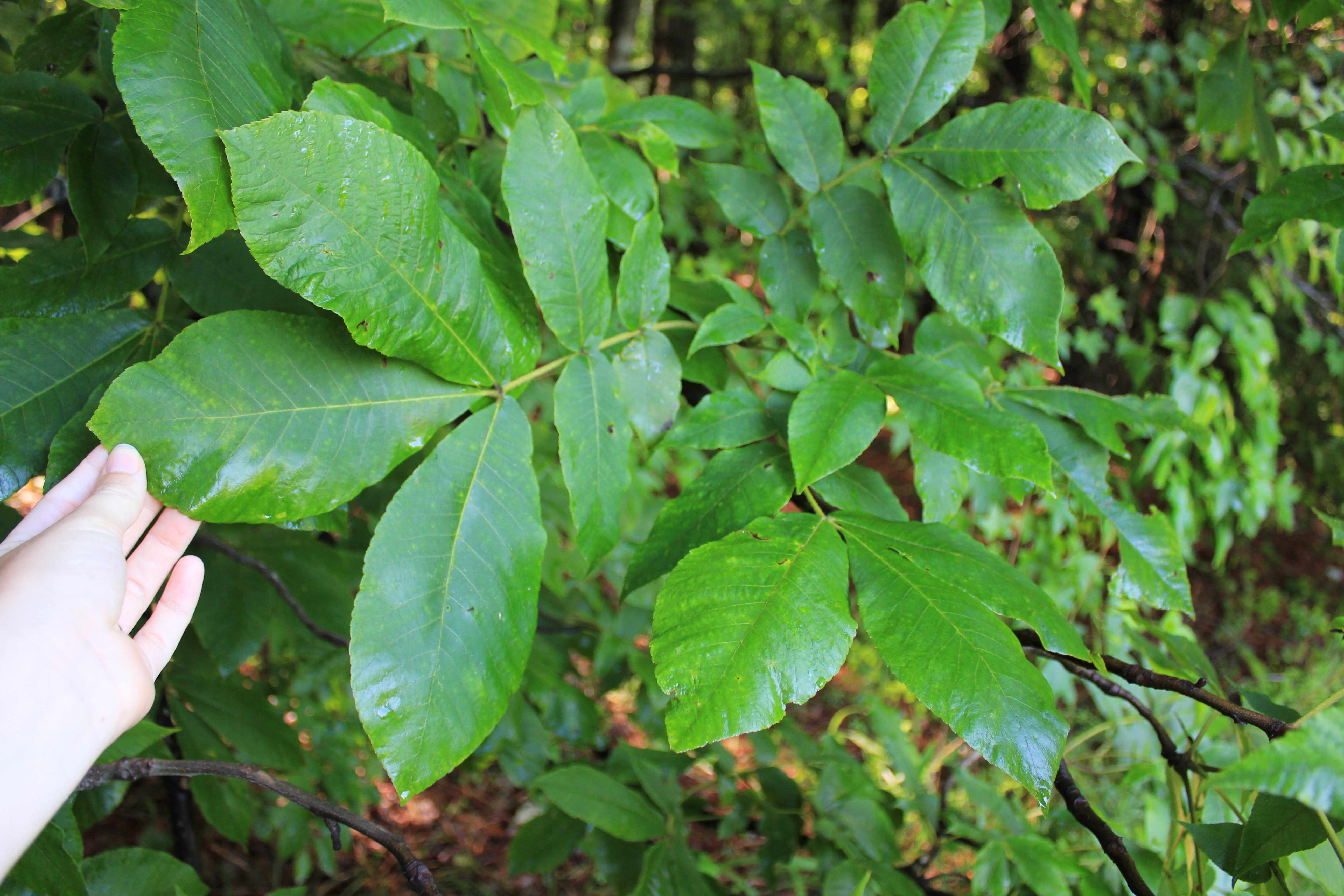 |
| Pecan | Alternate compound leaves – 9 to 17 leaflets – serrated margins, 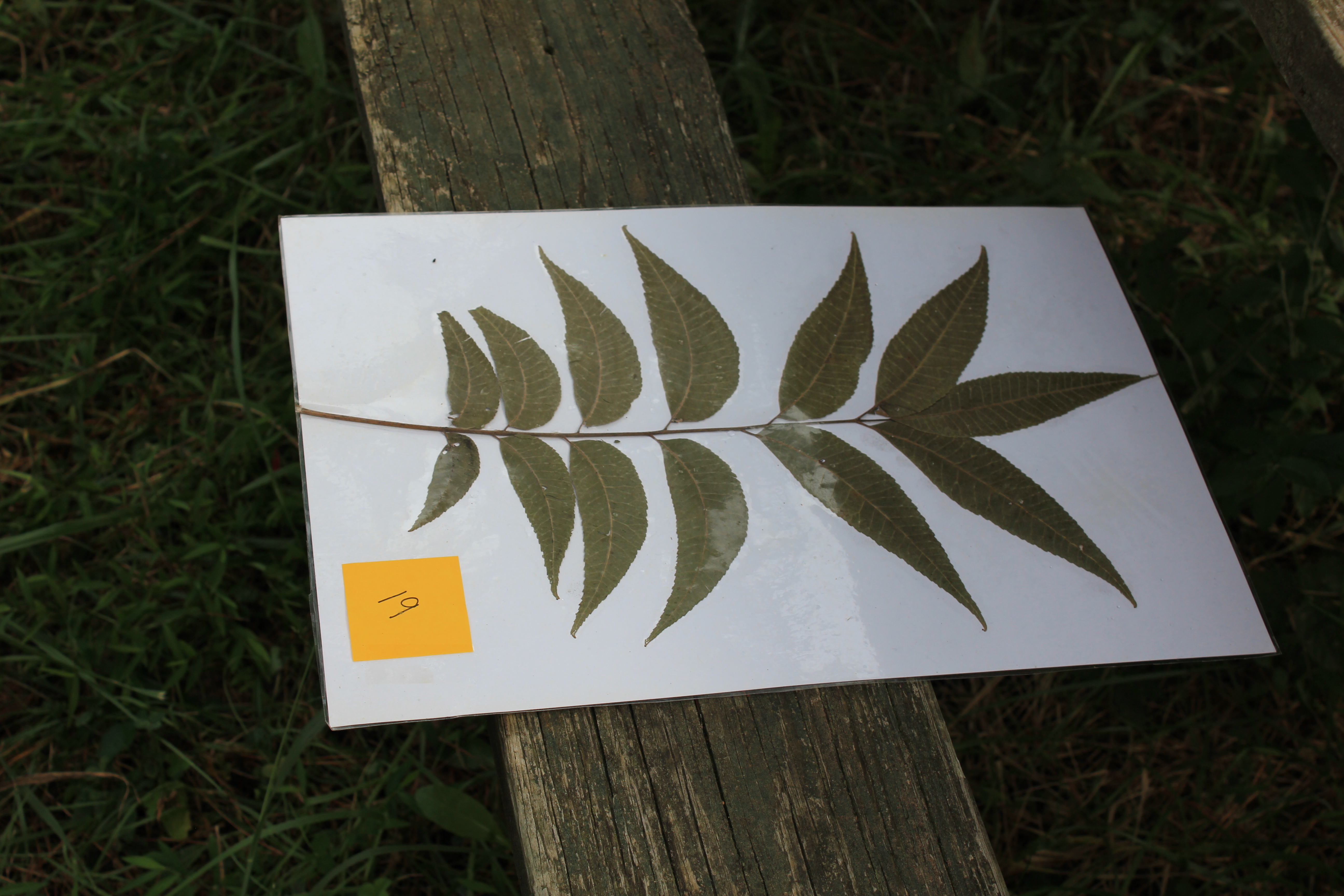 |
| Chestnut Oak | alternate leaves – large crenate teeth that look like waves on the side of the leaf, 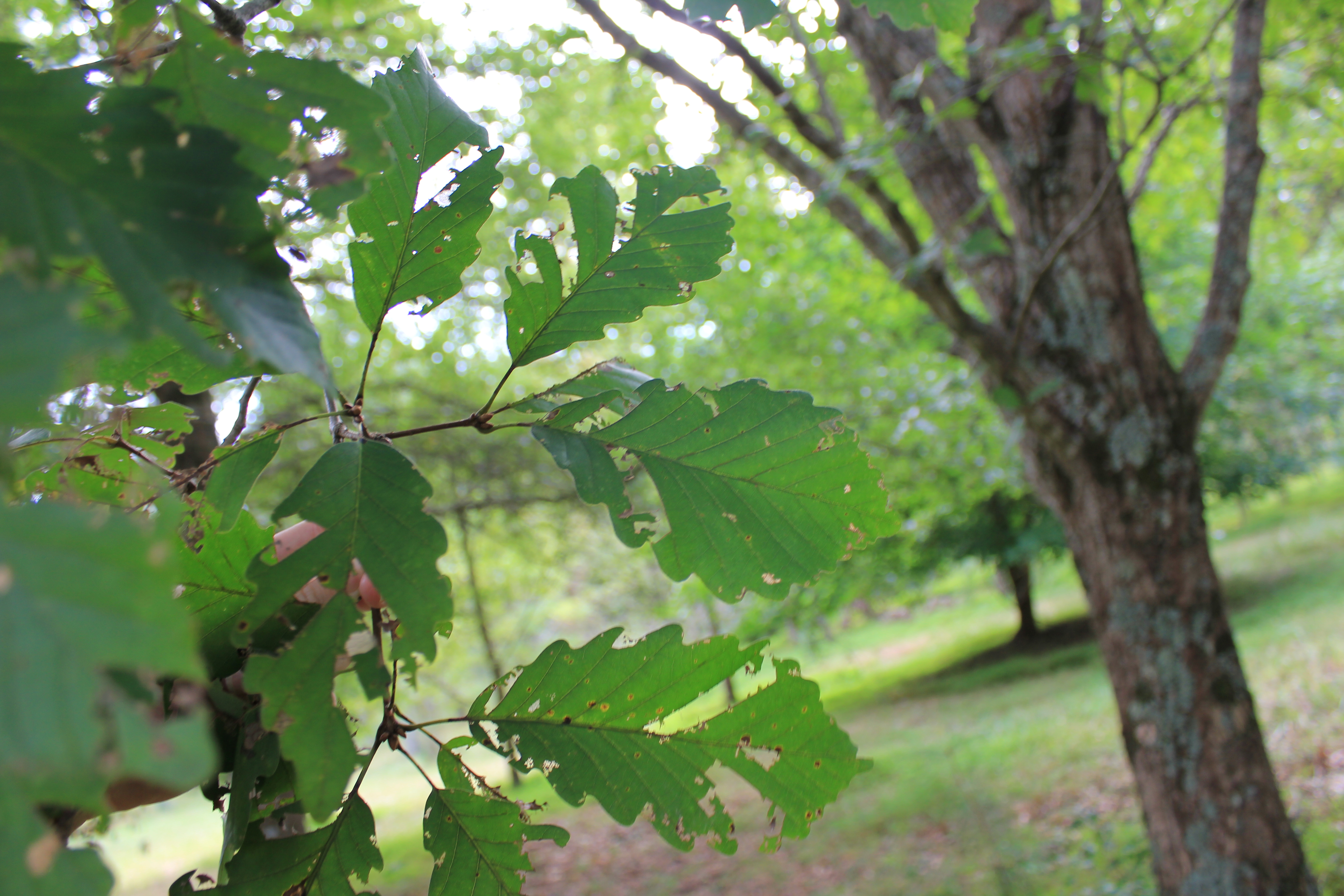 |
| Cottonwood | alternate leaves – serrated margins – roughly triangular leaf comes to a point at the top, 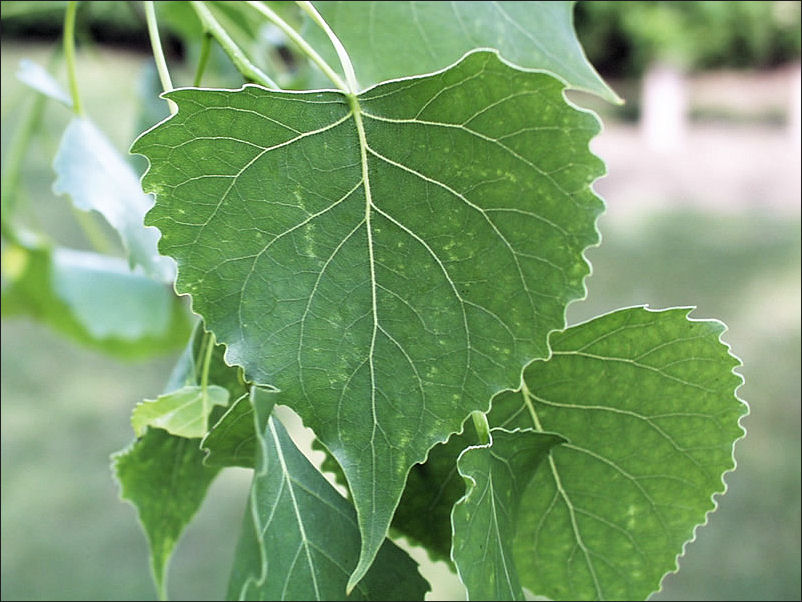 |
| Yellow Poplar | alternate leaves – 4 large lobes that meet at 90 degree points, 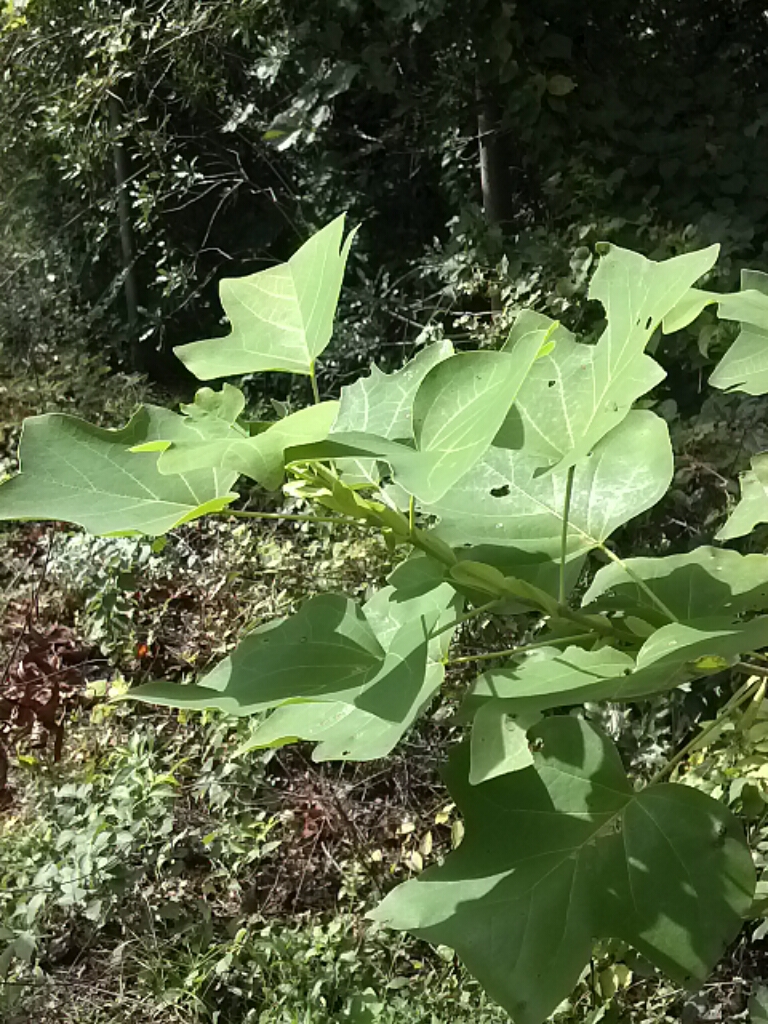 |
| Elm | alternate leaves –serrated margins – uneven base of the leaf, 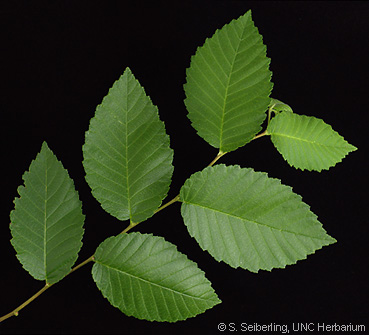 |
| Redbud | alternate heart-shaped leaves – bean pod like fruit – zig-zag branches, 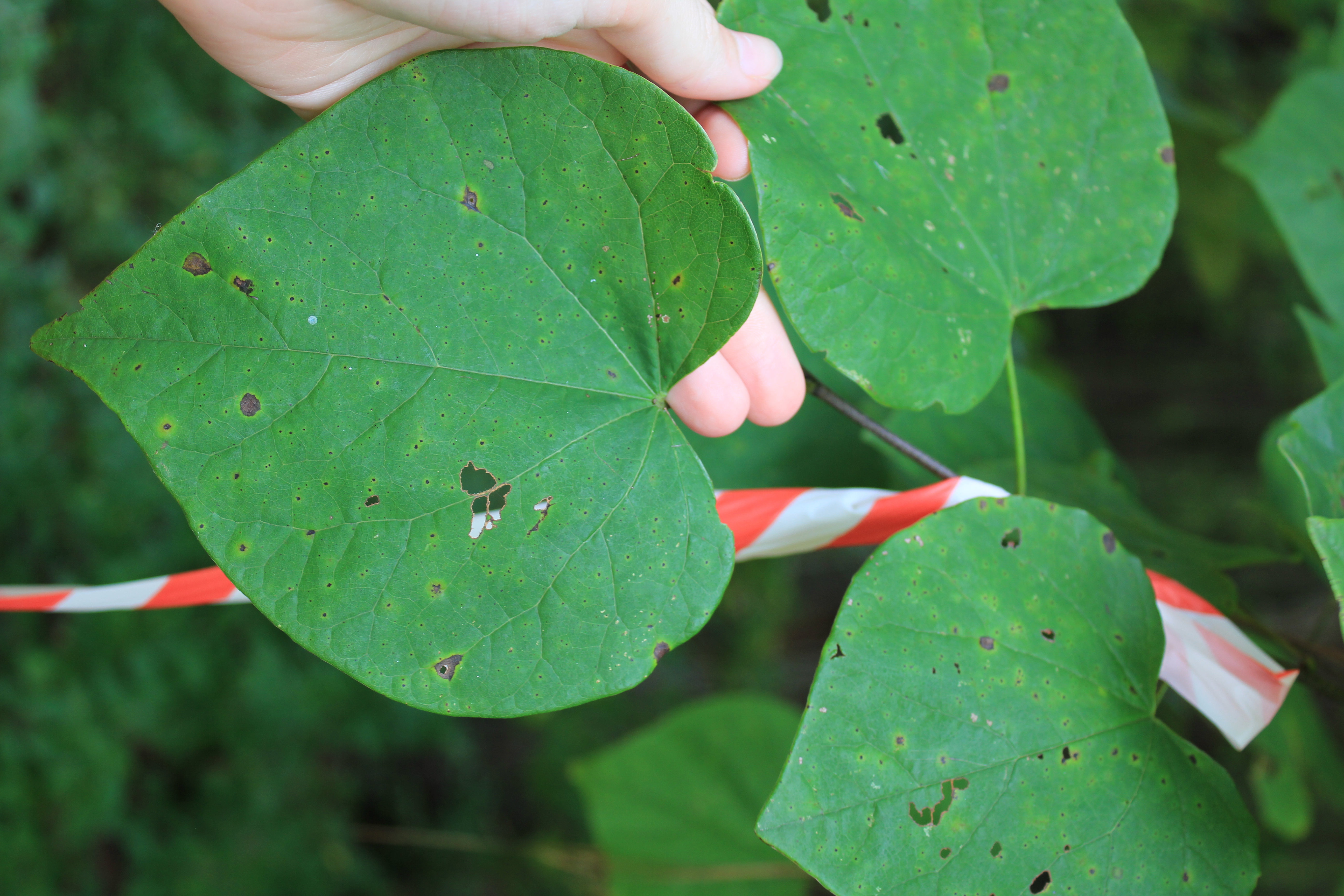 |
| Locust | compound leaves – thorns on stem – bean pod like fruit, 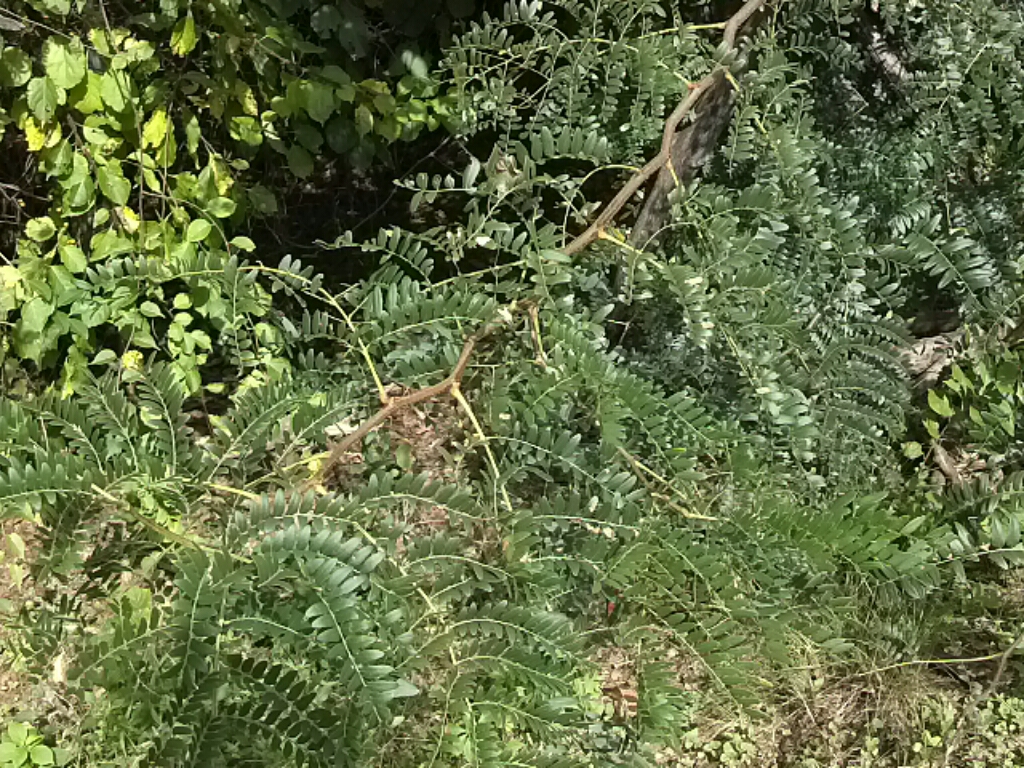 |
| Hemlock | alternate needle-like leaves – two white lines on underside – round dark-orange woody pads where leaves attach to the stem – needles tend to lie flat and some flip over to expose the white undersides,  |
| Fraser Fir | alternate needle-like leaves – two white lines underneath – needles stick out evenly in all directions making a half circle, 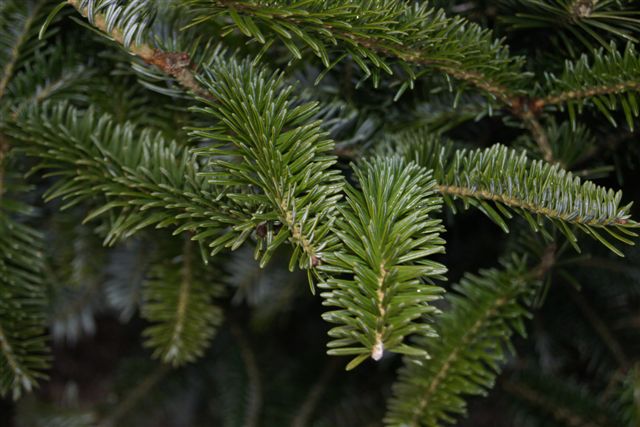 |
| Persimmon | alternate leaves – smooth margins – tends to have black spots on leaves – cubed bark, 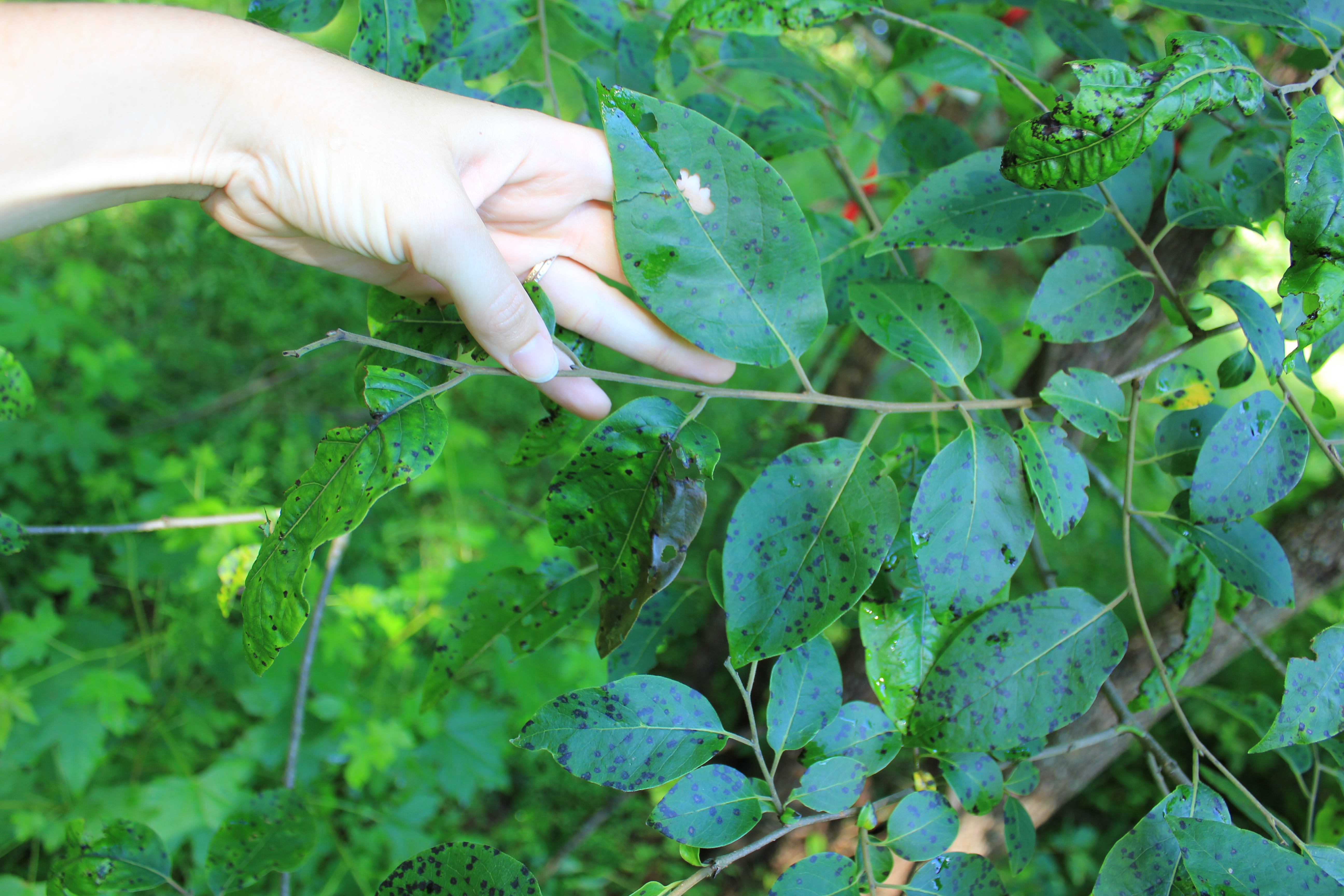 |
| Post Oak | alternate leaves – smooth margins – five broad lobes – look like puzzle pieces, 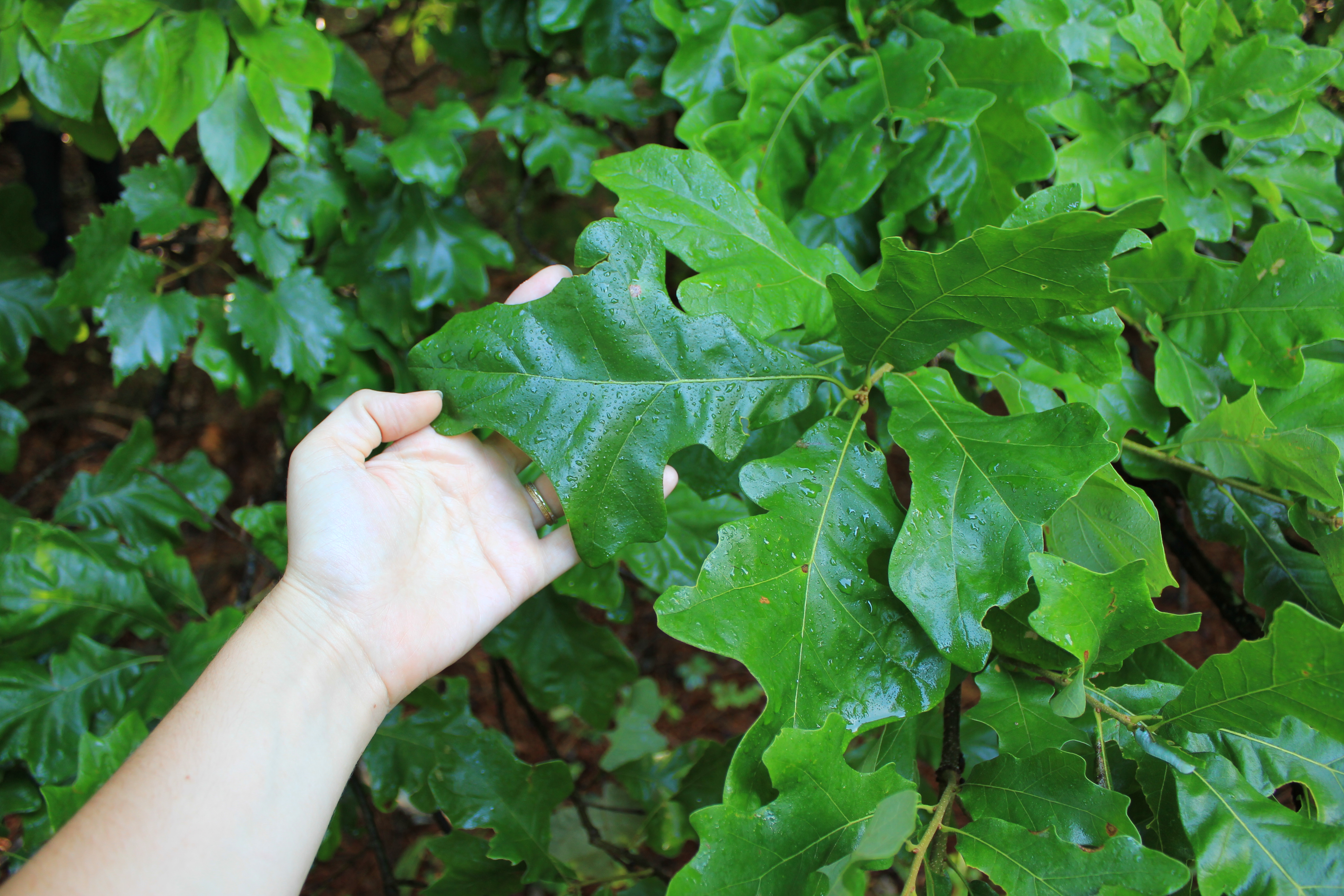 |
| Red Cedar | alternate leaves – young foliage small needle like growth – older growth scale like leaves, 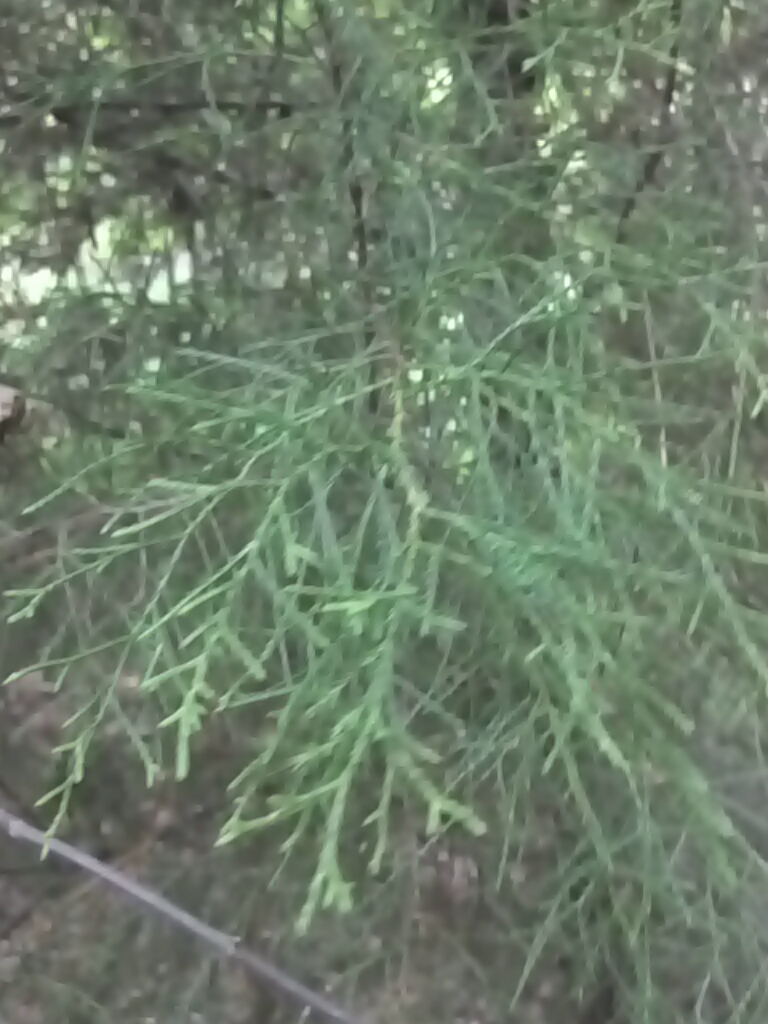 |
| Red Maple | opposite leaves – 3 to 5 lobed, 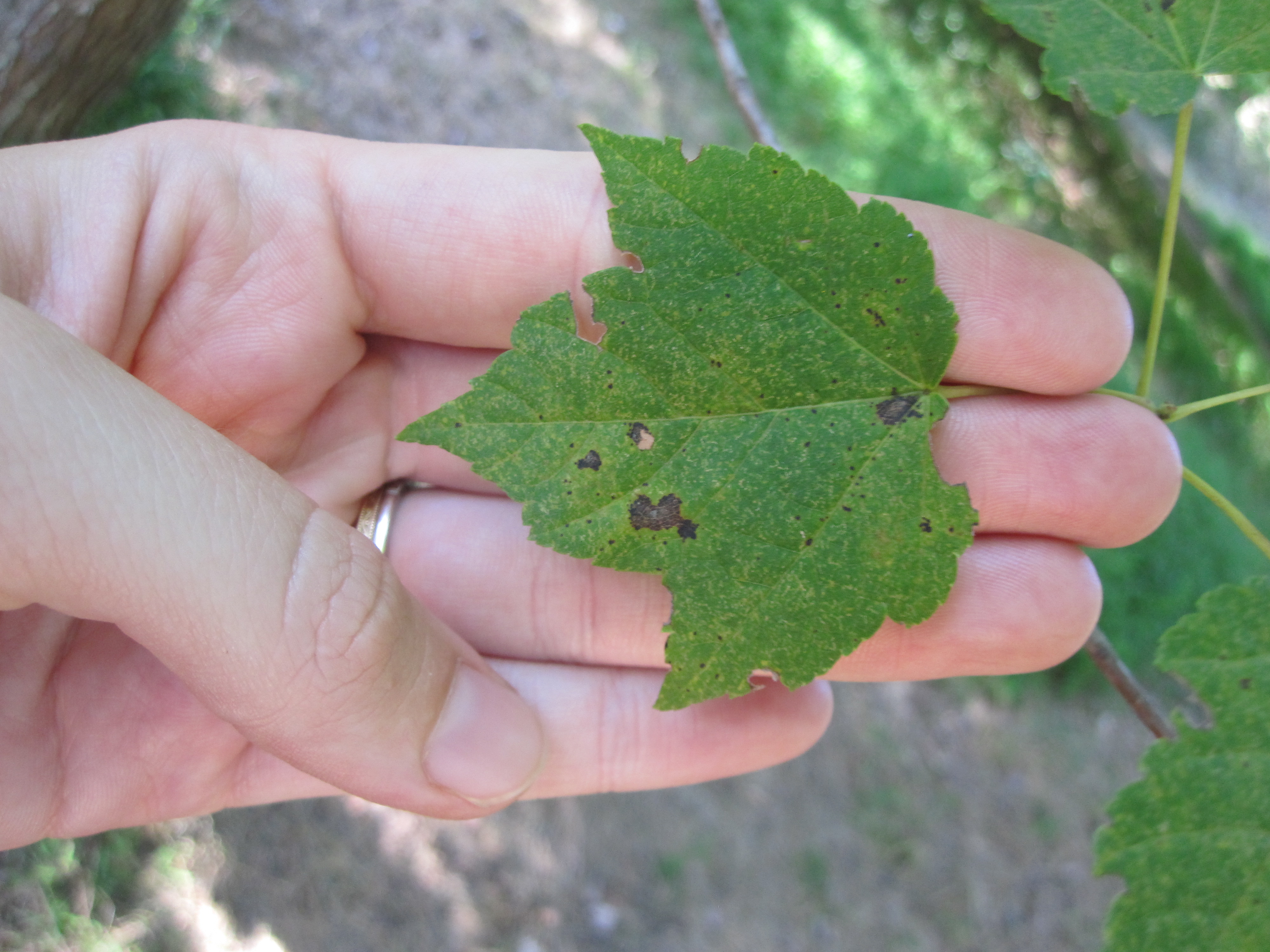 |
| Sourwood | alternate leaves – puckered leaf between veins – single half moon leaf scar,  |
| Southern Red Oak | alternate leaves – green above and fuzzy below leaf – 3 lobes with a long skinny one in middle – bristle tips – bell-shaped base of leaf, 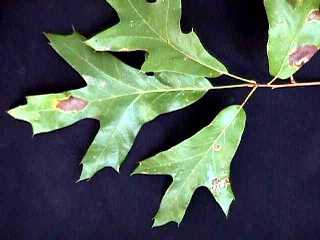 |
| Sweetgum | alternate leaves – star-shaped leaves – prickly ball fruit, 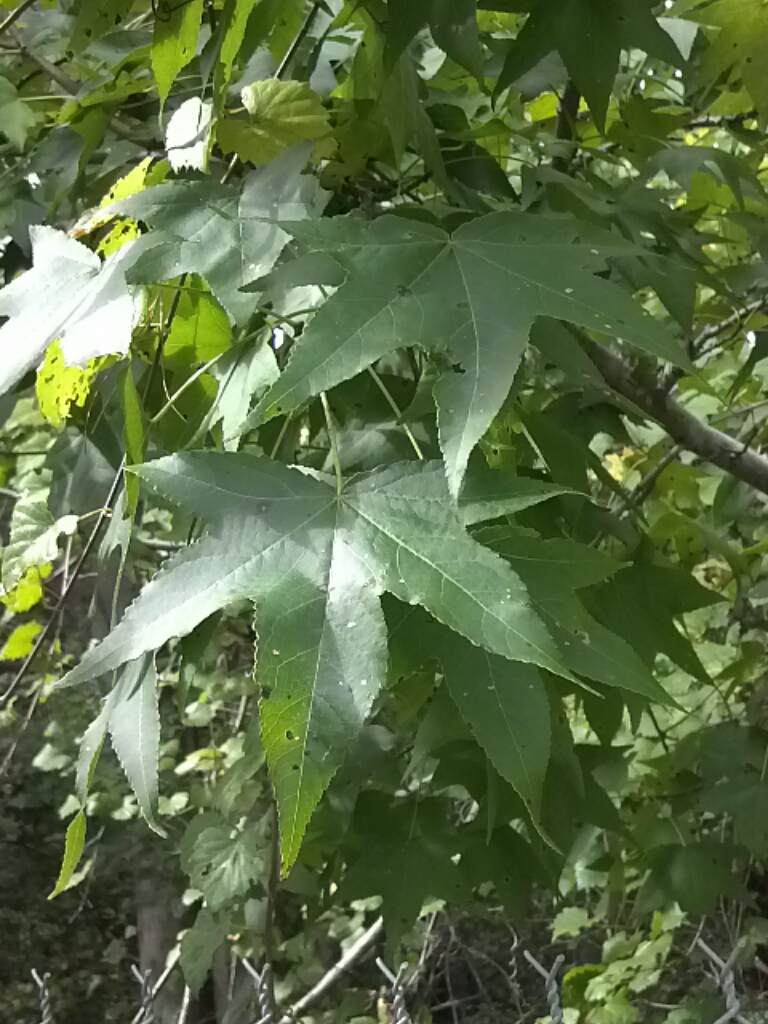 |
| Sycamore | alternate leaves –3 to 4 lobed leaves 4 to 7 inches broad and long - peeling bark, 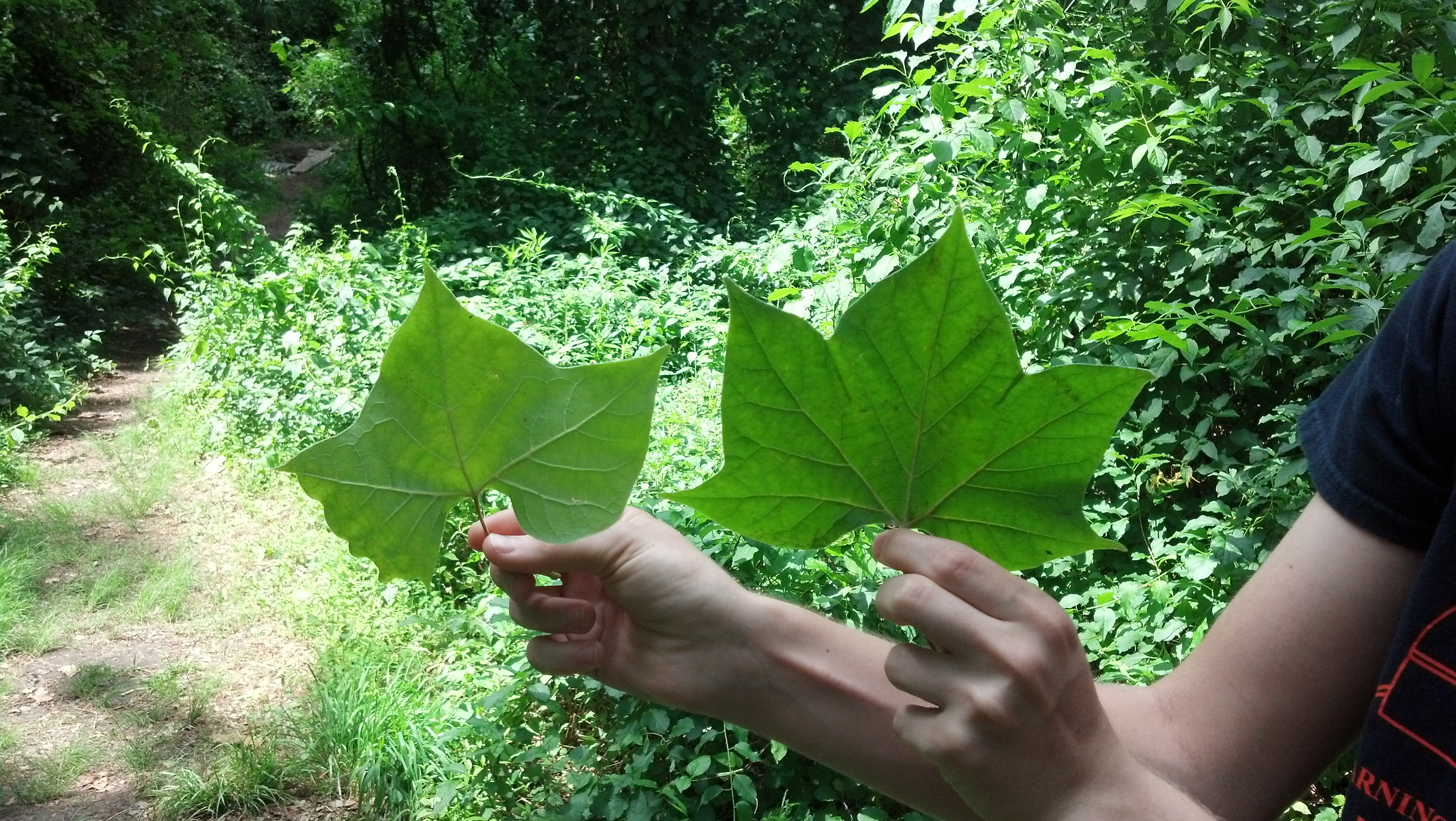 |
| Water Oak | alternate leaves – leaves 2 to 4 inches long – significantly wider at the top than at the base, 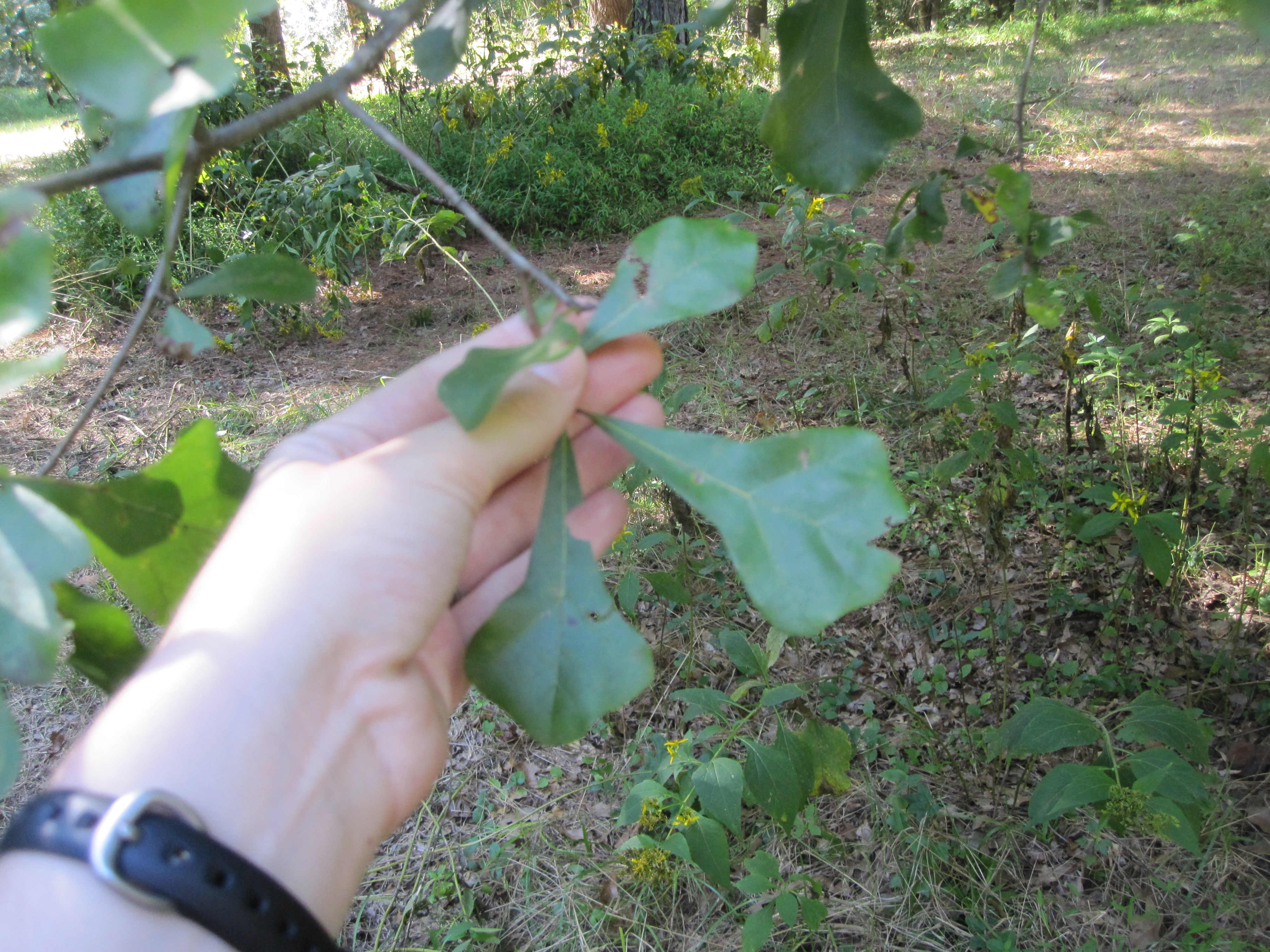 |
| White Oak | alternate leaves – 7 to 9 rounded lobes – paler underside, 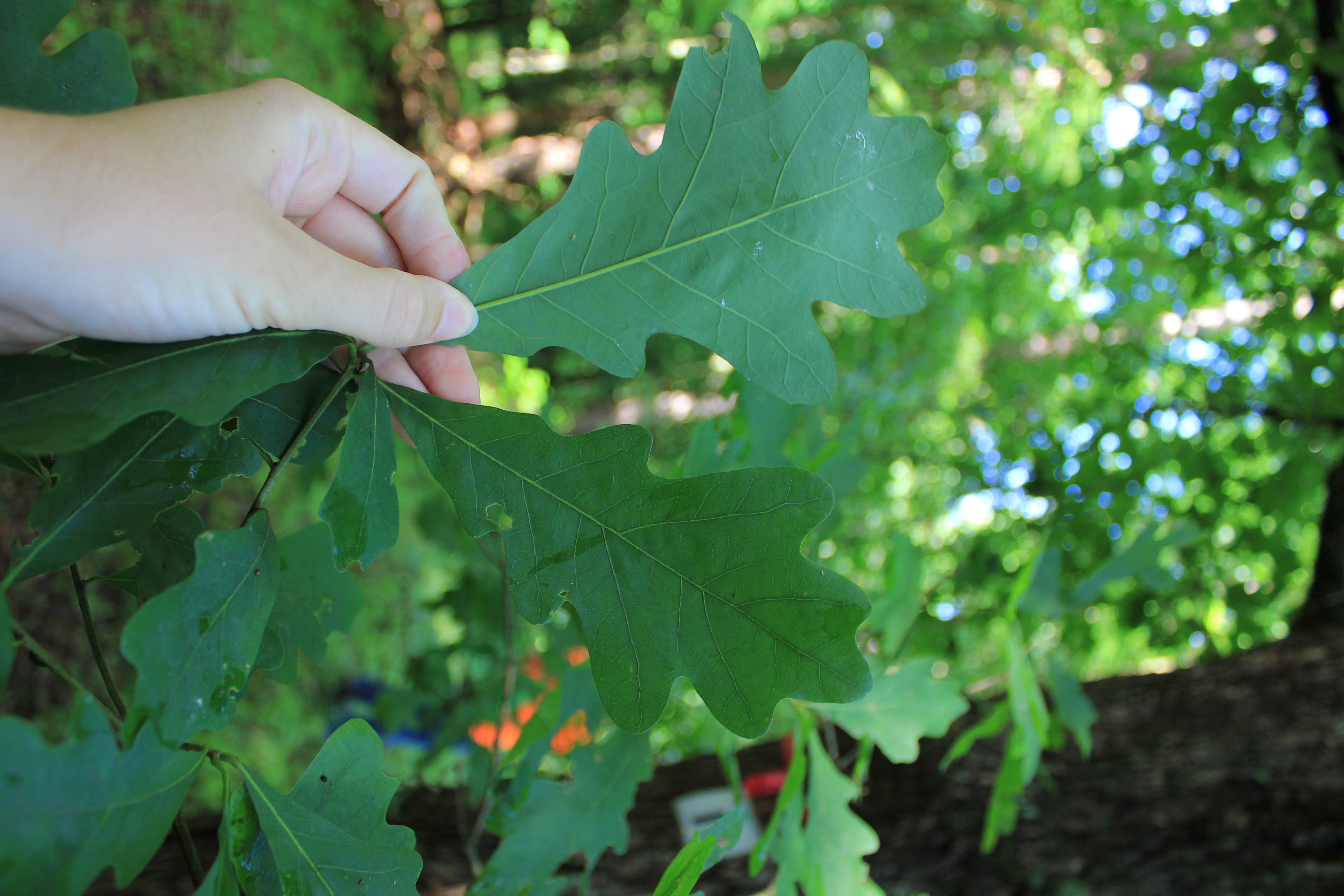 |
| Willow Oak | alternate leaves – linear leaf, 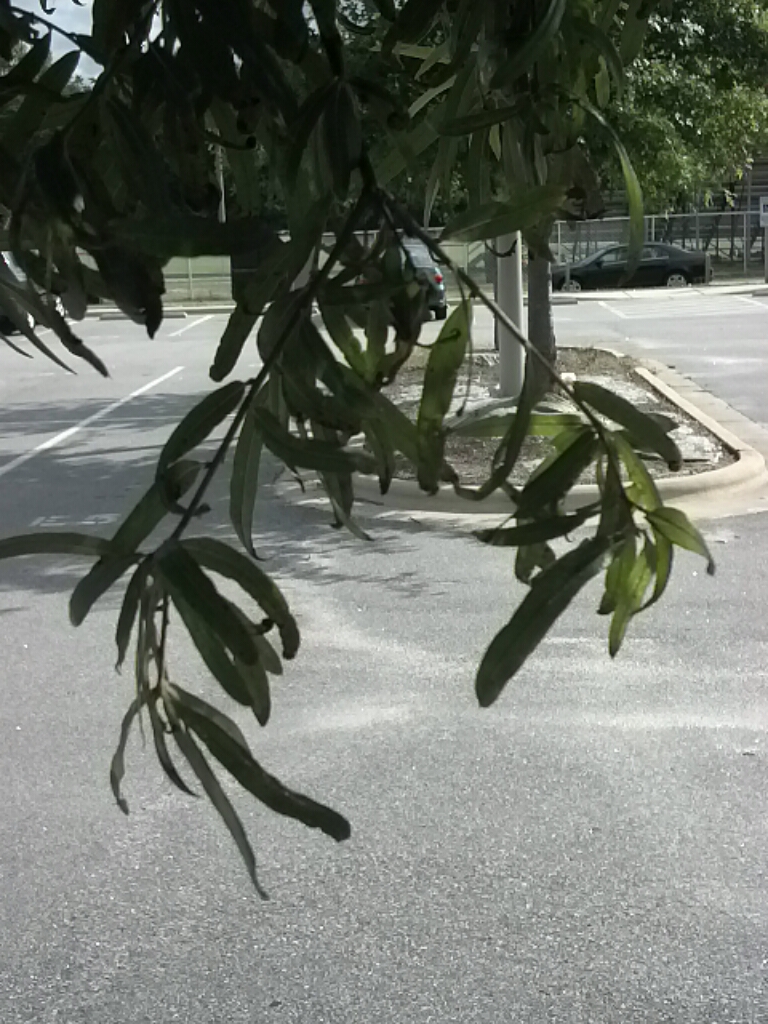 |



