| A | B |
|---|
| Question | what you want to know |
| Hypothesis | Make a guess about the answer to your question. |
| Research | Why do you think your hypothesis is correct? |
| Materials | what you will use to test your hypothesis |
| Procedure | the steps you will follow to test your hypothesis |
| Data/Results | Organize the data you collect in a table, graph, or drawing (or a combination of all three) |
| Conclusion | Decide whether your hypothesis was correct or incorrect based on the data you collected. Explain why you think your hypothesis was right or wrong |
| Sources of Error | 2-3 things that could have affected the way your experiment turned out. |
| independent variable | what is changed in an experiment |
| dependent variable | what is measured in an experiment |
| control variable/control group | what is kept the same in an experiment for a fair test or is compared to for results |
| Kilo | 1000 |
| Hecto | 100 |
| Deka | 10 |
| Deci | 1/10 or 0.1 |
| Centi | 1/100 or 0.01 |
| Milli | 1/1000 or 0.001 |
| volume | a measurement of the amount of space a substance takes up |
| length | a measurement of distance |
| temperature | a measurement of the amount of energy a substance has |
| mass | a measurement of the amount of matter |
| liters | the unit used to measure volume |
| meters | the unit used to measure distance |
| grams | the unit used to measure mass |
| Celsius | the unit used to measure temperature |
graduated cylinder,  | tool used to measure volume |
thermometer, 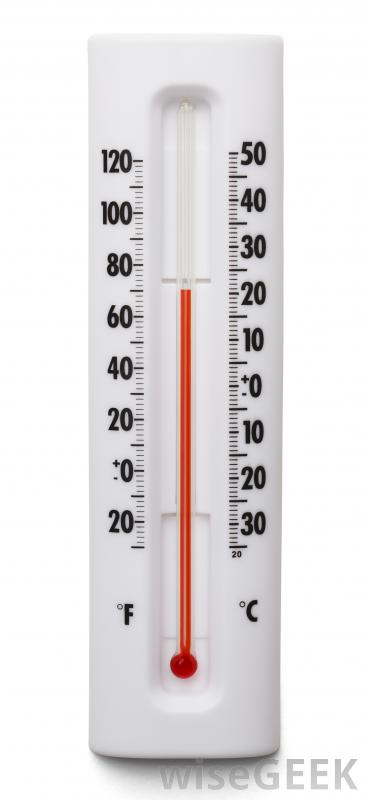 | tool used to measure temperature |
ruler or meter stick,  | tool used to measure length |
digital scale, 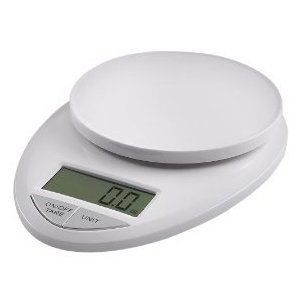 | tool used to measure mass |
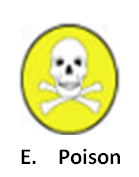 | Never taste the contents of a bottle in a science laboratory |
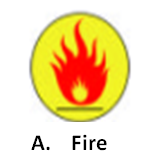 | Keep flammable materials away from open flames. |
 | Mixing chemicals could cause and explosion |
 | Inserting a thermometer into a rubber stopper could cause the thermometer to break |
 | Cutting a piece of rubber tubing |


