| A | B |
|---|
| ROUND BUR | Uses: Initial entry; Extends preparation;Remove decay, 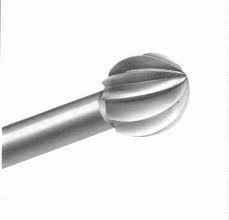 |
| INVERTED CONE BUR | Uses: Remove decay Establishes retentive grooves, 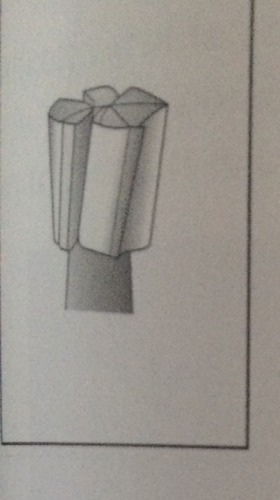 |
| STRAIGHT FISSURE PLAIN CUT BUR | Uses: Initial entry into tooth Helps in forming the internal walls of the preparation, 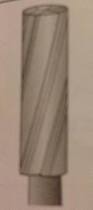 |
| STRAIGHT FISSURE CROSS-CUT BUR | Uses: Helps in forming the internal walls of the preparation, 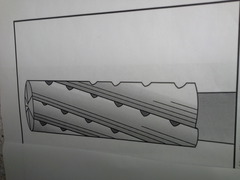 |
| TAPERED FISSURE PLAIN CUT BUR | Uses: Helps in providing angels to the walls of the prepared tooth, 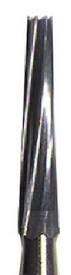 |
| TAPERED FISSURE CROSS-CUT BUR | Uses: Helps in providing angels to the walls of the prepared tooth, 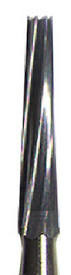 |
| PEAR BUR | Uses: Initial entry into tooth structure Extends preparation, 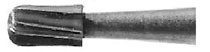 |
| END CUTTING BUR | Uses: Initial entry into tooth structure Creates a shoulder for the margin of a crown preparatation, 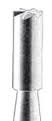 |
| MANDREL WITH DISC | screw type and snap on used to hold discs and rubber wheels for smooth polishing, 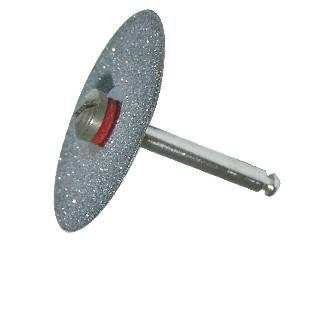 |
| ACRYLIC BUR | Laboratory bur used to cut models or trim acrylic in laboratory., 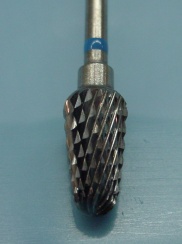 |
| DIAMOND BUR | To contour or cut models in the laboratory, 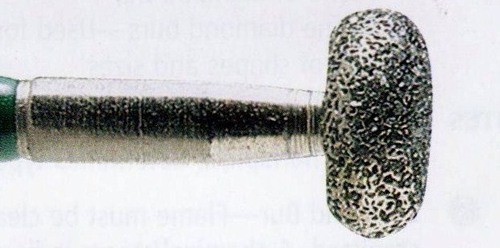 |
| CARBIDE FINISHING BUR | Fine finishing of a composite resin material, 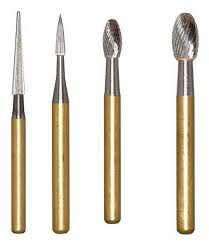 |
| DIFFERENCE BETWEEN DIAMOND AND CARBIDE BURS | a) Tungsten Carbide steel Burs are good for cutting, cutting Bones (surgical), metal crowns etc. b) Diamond Burs as diamond powder, good as grinder, as well as cutting zirconia or metal crowns. Hence, for most dental surgical operations, Tungsten Carbide Burs are used and for other basic filling and crown and bridge, veneers etc. Diamond Burs are much better in operation |
| HIGH SPEED HANDPIECE | use "friction grip" burs; these have a smooth shank similar to straight shank but the shank will be smaller and shorter than a straight shank |
| STRAIGHT, LATCH AND FRICTION GRIP SHANK | NEED IMAGE |
| LOW SPEED HANDPIECE | 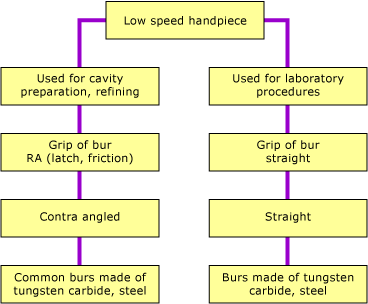 |
| LATCH TYPE SHANK | 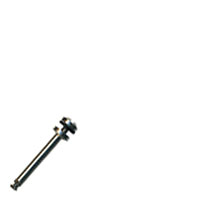 |
| FRICTION GRIP SHANK | LOOK LIKE STRAIGHT SHANK BUT SHANK IS SMALLER AND SHORTER THAN STRAIGHT SHANK, 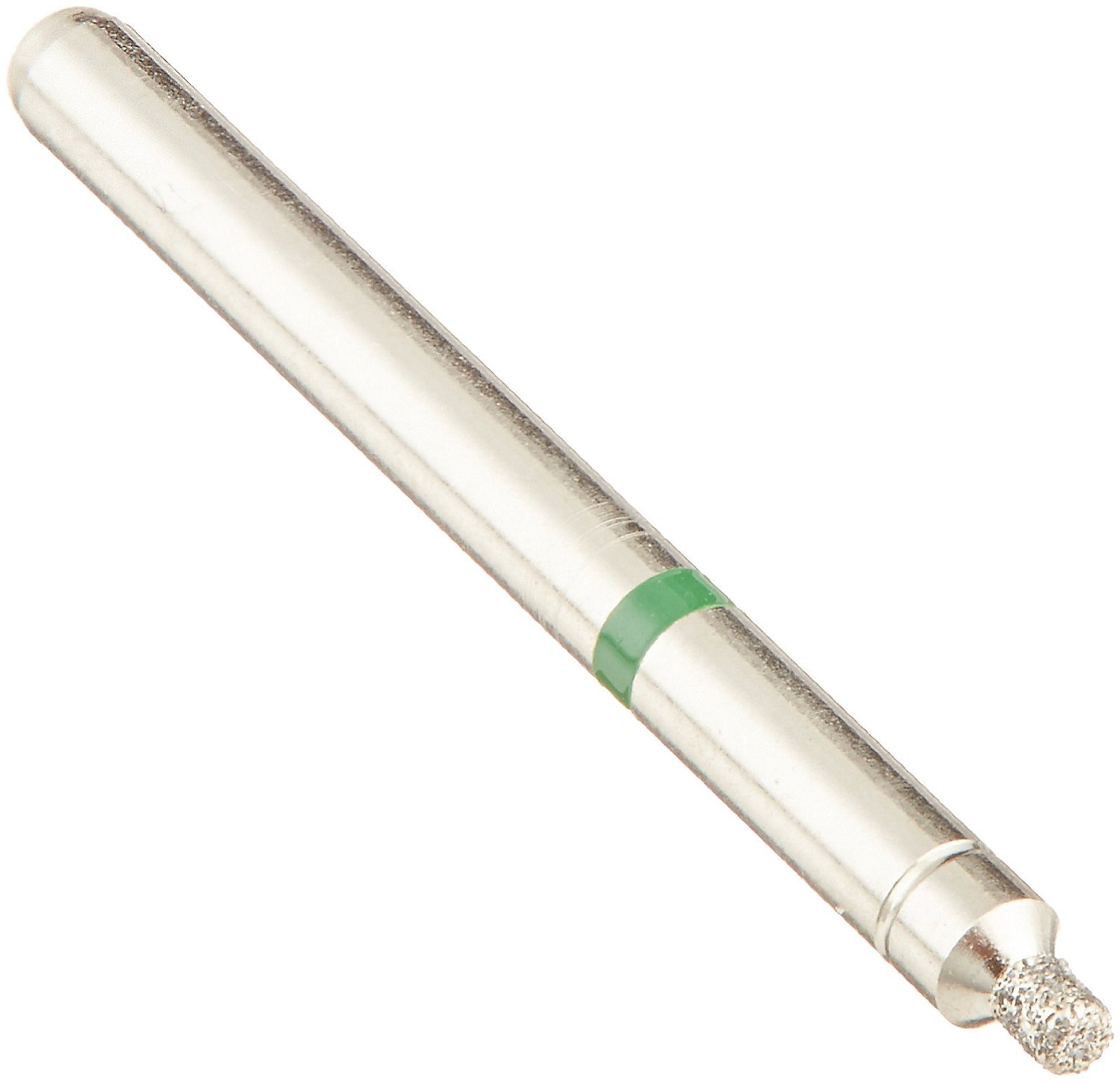 |
| STRAIGHT SHANK | straight shank wider and longer than friction grip |
| END CUTTING BUR |  |



