 |
Java Games: Flashcards, matching, concentration, and word search. |
 |
|
| A | B |
|---|
Character, 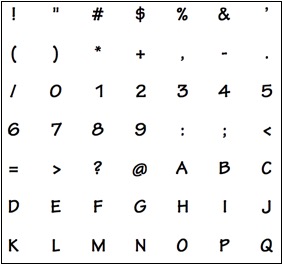 | any letter, number, figure, punctuation, symbol or space. |
Scale, 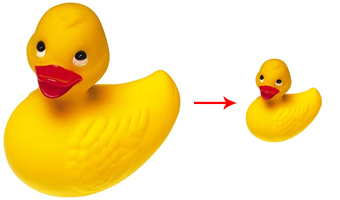 | The size or apparent size of an object seen in relation to other objects, people, or its environment. To reduce or enlarge all dimensions proportionately (equally). |
Still life, 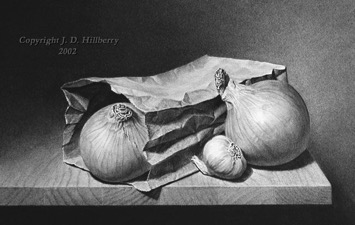 | A painting, drawing or other two-dimensional work of art representing inanimate objects such as bottles, fruit, and flowers. Also, the arrangement of these objects from which a drawing, painting, or other work is made. |
Mosaic, 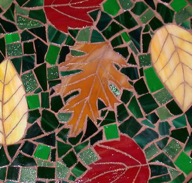 | An art medium in which small pieces of colored glass, stone, or ceramic tile called tesserae are embedded in background materials such as plaster or mortar. Also, works made using this technique. |
| Two-dimensional | Having the dimensions of width and height only (i.e. a drawn piece of art, a painting on canvas). |
Visualize, 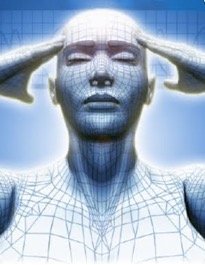 | To form a mental image or vision; to imagine. |
Caricature, 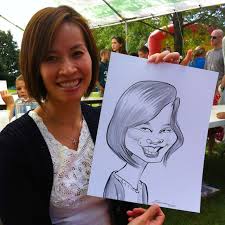 | A visual representation of a person in which the subject's distinctive features or mannerisms are exaggerated for satirical effect. |
| Comprehensive layout (comp) | In graphic design and advertising, a comprehensive layout or comprehensive, usually shortened to comp, is the page layout (blueprint) of a proposed design as initially presented by the designer to a client, showing exactly how the type will be set and positioned, and the treatment, sizing, and placement of illustrations on the page. |
| Matte | A dull finish or surface, especially in painting, photography, and ceramics. |
| Glossy | Having a smooth, shiny, lustrous surface. |
Fine art, 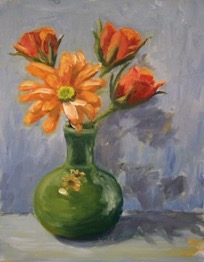 | Art created for purely aesthetic expression, communication, or contemplation. Painting and sculpture are the best known of the fine arts. |
| Content | Content has three levels of complexity. 1) The literal iconography; straightforward subject matter and imagery, describable facts, actions, and/or poses. 2) The basic genres, figurative meaning or message contained and communicated by a work of art, including its emotional, intellectual, symbolic, thematic, and narrative connotations. 3) The effect on the subject of form and context. |
Collage, 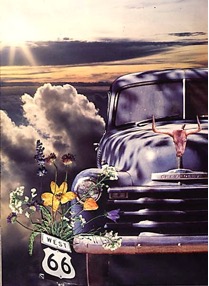 | From the French coller, to glue. The artwork is made from an assemblage of different forms, creating a new whole by gluing materials such as paper scraps, photographs, and cloth on to a flat surface. |
Afterimage,  | The visual impression that remains after the initial stimulus is removed. Staring at a single intense hue may cause the cones, or color receptors, of the eye to become so fatigued that they perceive only the complement of the original hue when it has been removed. |
Nonrepresentational Art, 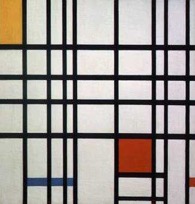 | Art without reference to anything outside itself. |
Montage, 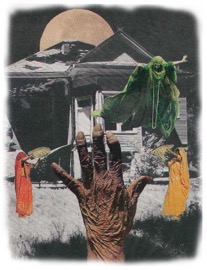 | A composition made up of pictures or parts of pictures previously drawn, painted, or photographed. |
Medium, 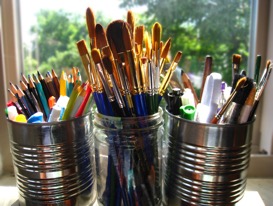 | A particular material (i.e. paint, pen and ink, digital) along with its accompanying technique; a specific type of artistic technique or means of expression determined by the use of particular materials. |
Substrate, 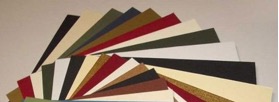 | the specific paper, board or surface material used for the foundation of a piece of art or design. (i.e. canvas, Bristol board, brick wall, etc.) |
| Format (orientation) | the shape or proportion of a picture plane. |
Landscape, 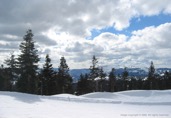 | the picture plane is wider than it is tall. |
Portrait, 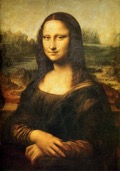 | the picture plane is taller than it is wide. |
Opaque, 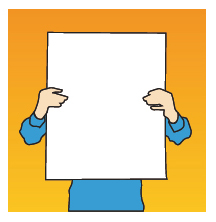 | Impenetrable by light; not see-through. (Mat board) |
Translucent, 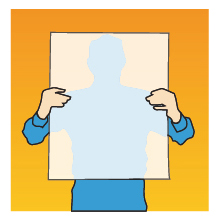 | a medium (tracing paper) through which light can pass, but in such a way that a clear image cannot be formed of the object being viewed through it. |
Transparent, 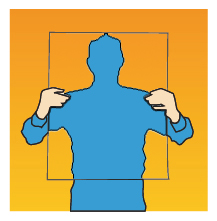 | a medium (acetate) in which light can pass with minimal scattering, so that objects can be viewed clearly through it. |
| Pigment | the coloring agent, made from natural or synthetic substances, used in paints or drawing materials. |
|
|
| |
