| A | B |
|---|
| Needs | Things that are required in order to live |
| Wants | Things that add comfort and pleasure to your life |
| Goods | Things that you can see and touch, which satisfy your needs & wants |
| Services | Intangible activities that satisfy your needs and wants |
| The Basic Economic Problem | UNLIMITED wants & needs VS LIMITED economic resources |
| Scarcity | Not having enough resources to satisfy every need & want |
| Economic Decision Making | The process of choosing which wants, among several options, will be satisfied |
| Tradeoff | When you give up something to have something else |
| Opportunity Cost | The value of the next best alternative |
| Market Economy | Economic system where decisions are based on the actions of buyers and sellers in the marketplace |
| Price | The amount of money given or asked for when goods or services are bought or sold |
| Market / Marketplace | Any place where individuals buy and sell goods and services |
| Demand | Quantity of goods and services that consumers are willing and able to buy at various prices |
| Law of Demand | Consumers will generally buy less of an item at a higher price than at a lower price |
| Supply | Quantity of goods and services that producers will provide at various prices |
| Law of Supply | The higher the price, the more producers will supply; the lower the price, the less they will supply |
| Equilibrium Price | Point where the amount supplied and the amount demanded meet |
| Surplus | Supply of an item is greater than the market demand at a particular price |
| Shortage | Supply of an item is less than the market demand at a particular price |
| Substitutes | Goods or services that may be used in place of another good or service |
| Supply Curve |  |
| Demand Curve | 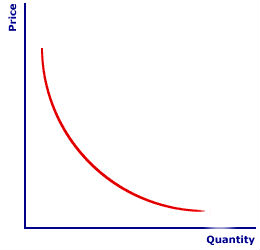 |



