 |
Java Games: Flashcards, matching, concentration, and word search. |
 |
|
Elements & Principles of Design
|
| A | B |
|---|
Secondary Colors, 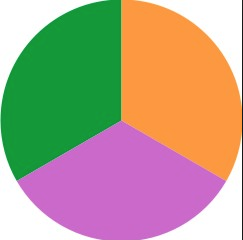 | Each secondary color is also the complementary color (or complement) of the primary color whose wavelength it does not contain., |
Balance,  | refers to the sense of distribution of perceived visual weights that offset one another., |
Contrast,  | Created through difference in value, color, texture, size, etc., |
Emphasis,  | Special attention given to one part of a work, |
Form,  | Three-Dimensional geometric shape., |
Harmony,  | Arrangement of elements to give the viewer the felling that all parts form a coherent whole., |
Pattern,  | Regular arrangement of alternated or repeated elements., |
Line,  | Horizontal, vertical, diagonal, striaght, curved dotted, broken, thick or thin., |
Primary Colors, 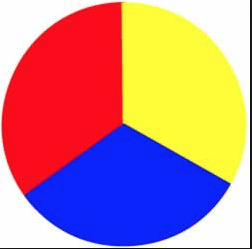 | any of a group of colors from which all other colors can be obtained by mixing., |
Proportion,  | The comparative relation between things or magnitudes as to size,, |
Rhythm,  | refers to one object or shape repeated., |
Scale, 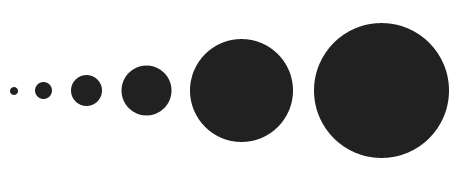 | the dimensional element defined by other elements of design size., |
| Secondary Colors, | color produced by mixing two additive primary colors in equal proportions., |
Shape - Edit image!!!!,  | areas of enclosed space that are two-dimensional., |
Space,  | refers to distances or areas around, between or within components of a piece., |
Texture,  | The feel, appearance, thickness or stickiness of a surface, |
Traditional Color Wheel Edit image!!!,  | is a visual representation of colors arranged according to their chromatic relationship., |
Traditional Color Wheel - edit, 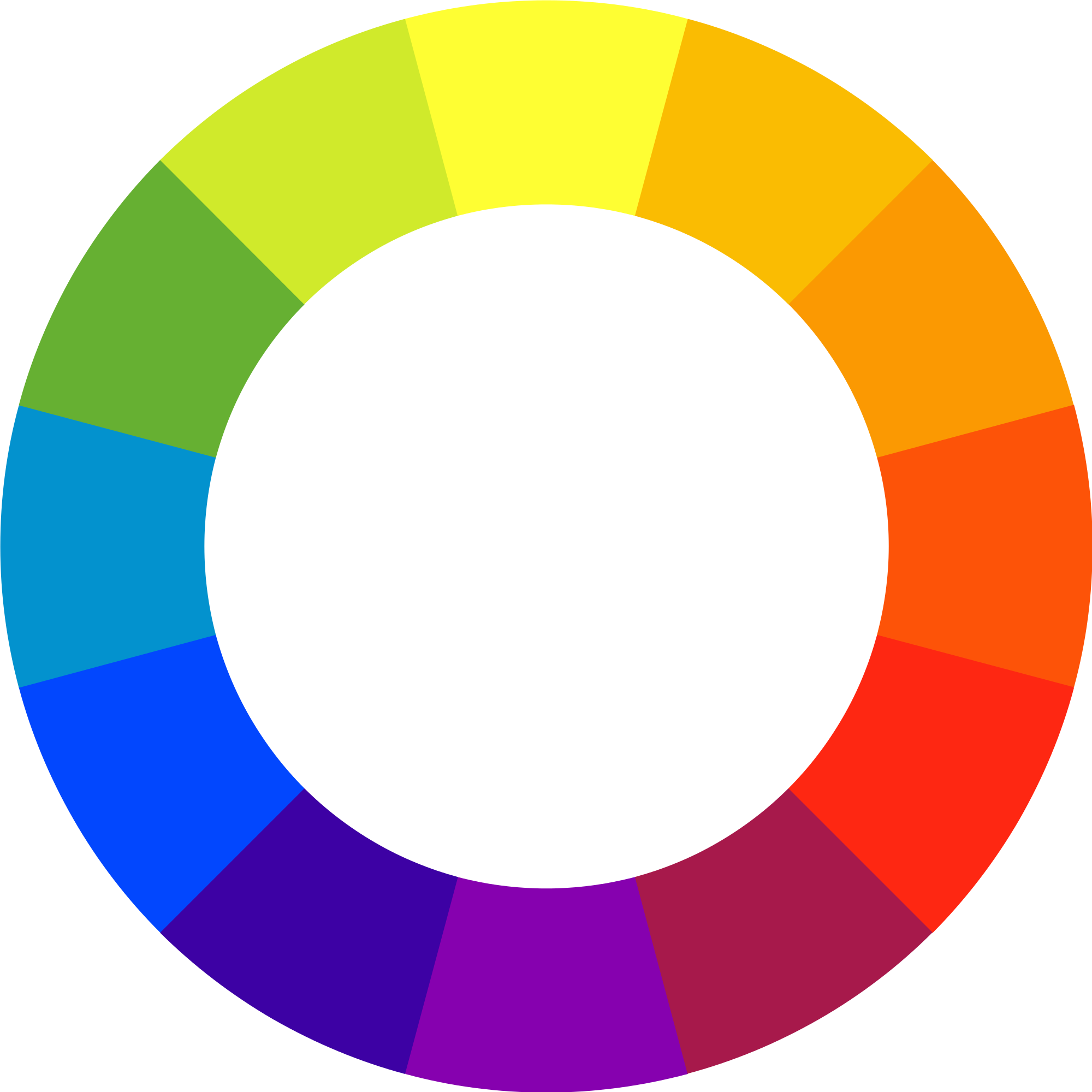 | is a visual representation of colors arranged according to their chromatic relationship., |
Unity, 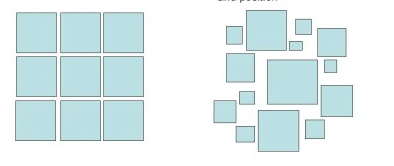 | the relationship among the elements of a visual that helps all the elements function together., |
Value,  | The lightness or darkness of tones or colors. |
|
|
|

|
|
|
Exploring Computer Science Instructor |
George Washington High School |
| Chicago, IL |
|
|
|
|
|
| |
