| A | B |
|---|
| nucleus | the control center of the cell, 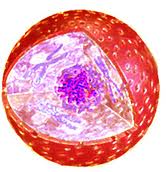 |
| nucleolus | within the nucleus; may be involved in protein synthesis |
| chromosomes | genetic material found in the nucleus, 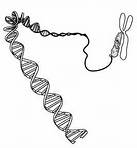 |
mitochondria,  | where energy in the form of ATP is produced, 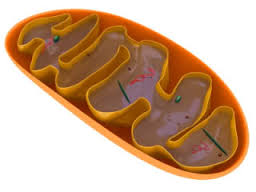 |
ribosomes,  | where proteins are made |
| endoplasmic reticulum | transport system;site of protein synthesis, 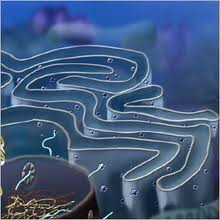 |
golgi apparatus,  | packages and modifies proteins |
| lysosome | special type of vacuole that breaks down large molecules and cell parts |
chloroplast,  | converts sunlight into glucose, 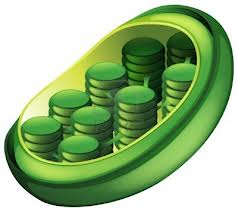 |
cell membrane,  | semi-permeable; it controls what moves in and out of the cell, 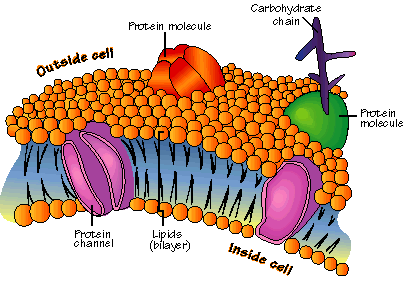 |
| cell wall | protects and supports plant cells |
| eukaryote | cell that has a membrane-bound nucleus,  |
| prokaryote | a cell with no nuclear membrane and few (if any) membrane bound organelles, 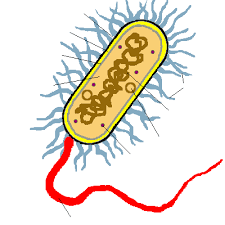 |
| vacuole | stores wastes, water, food |
| ribosomes | small structures that synthesize proteins, 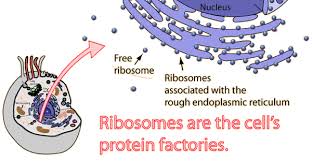 |



