| A | B |
|---|
MAGNET, 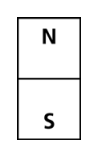 | Any material that attracts iron or things made of iron. |
| MAGNETIC POLES | Points on a magnet that have opposite magnetic qualities |
| MAGNETIC FORCE | The force of attraction or repulsion generated by moving or spinning electric charges in the magnet(s) |
MAGNETIC FIELD LINES, 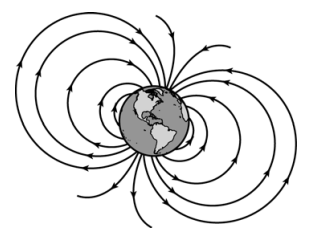 | The lines that show the shape of the magnetic field |
DOMAINS, 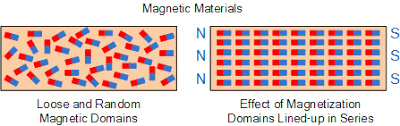 | An area similar to tiny magnets of different sizes within an object. The arrangement of this area determines whether the object is magnetic or not. If they are lined up, the object is magnetic. |
| ELECTROMAGNETISM | The interaction between electricity and magnetism. |
SOLENOID, 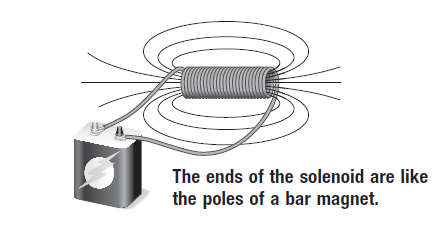 | A coil of wire that produces a magnetic field when carrying an electric current |
ELECTROMAGNET, 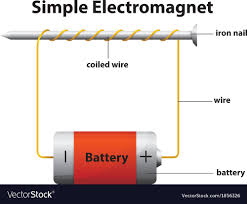 | Is made of a solenoid (coil of wire) wrapped around an iron core. Strength can be increased in two ways: add more coils OR add more energy (or both!) |
ELECTRIC MOTOR, 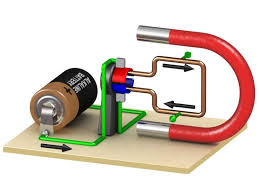 | A device that changes electrical energy into mechanic energy. |
GALVANOMETER, 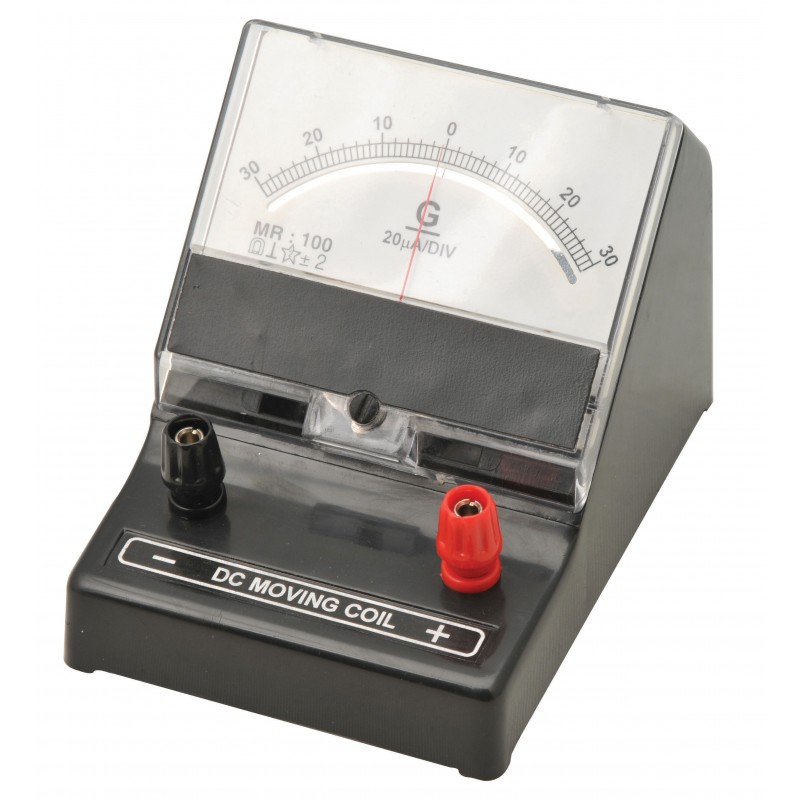 | An instrument that measures electric current. |
ELECTROMAGNETIC INDUCTION, 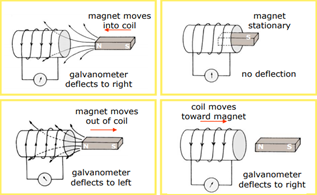 | The process of creating a current in a circuit by changing a magnetic field. |
ELECTRIC GENERATOR, 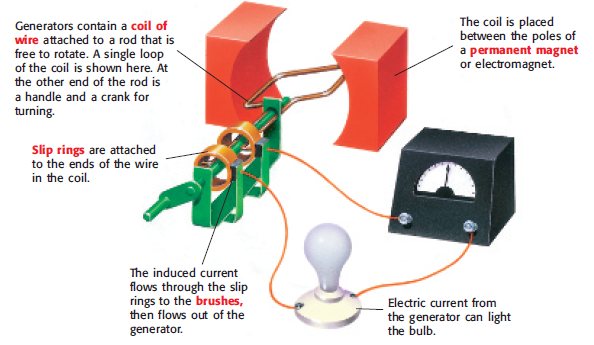 | Uses electromagnetic induction to change mechanical energy into electrical energy. |
TRANSFORMER, 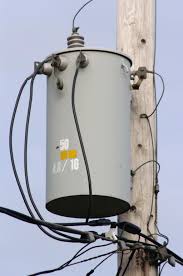 | A device that increases or decreases voltage of alternating curent. |
MAGNETITE, 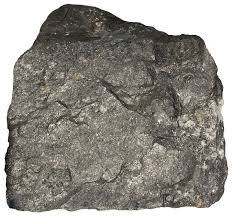 | A naturally occurring mineral that attracts objects made of iron. Called a ferromagnet. |
| UNIVERSAL FORCE | A force that always present when magnetic poles come near each other. With respect to magnetism, called the Law of Magnetic Attraction. |
MAGNETIC FIELD, 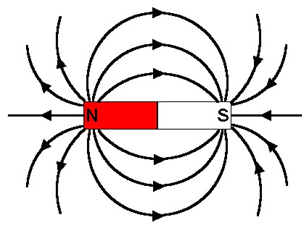 | The region around a magnet in which magnetic forces CAN act. |
| 3 WAYS OF LOSING MAGNETIC PROPERTIES | 1) DROP/HIT THE MAGNET 2) PUT THE MAGNET IN A STRONG MAGNETIC FIELD THAT IS OPPOSITE ITS OWN 3) HEAT UP THE MAGNET |
| MAGNETIZE | Make the atoms line up in iron, nickel, cobalt. Usually using another magnet. |
| FERROMAGNET | Magnets made of iron, nickel, or cobalt and/or alloys of these metals. |
| PERMANENT MAGNET | metals that keep their magnetism for longer periods of time |
TEMPORARY MAGNET, 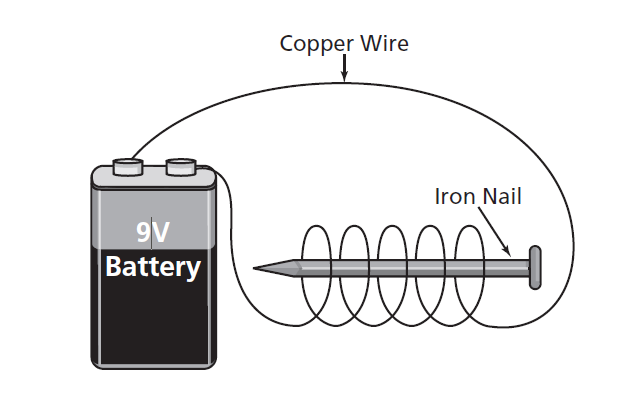 | Magnetism that does not last long, these magnets lose their magnetism easily. Can also be turned "on" or "off". |
AURORA, 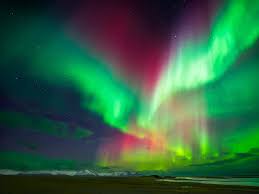 | Forms when charged particles from the sun hit oxygen and nitrogen atoms in the atmosphere, giving off light of many colors. (A. Borealis- Northern Lights; A. Australis- Southern Lights) |


