| A | B |
|---|
| African American Civil Rights activist; Christian minister; leader of nonviolent Civile Rights movement; close friend and mentor to Martin Luther King, Jr.; helped create the Montgomery Improvement Association and the SCLC | Ralph Abernathy, 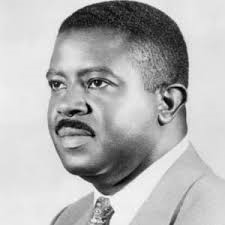 |
| American social reformer; women's rights activist; played a key role in the women's suffrage movement; was a Quaker and anti-slavery activist; friend to Elizabeth Cady Stanton | Susan B. Anthony, 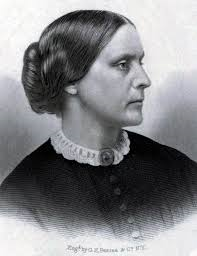 |
| African American Civil Rights and human rights activist; worked alongside and mentored many other Civil Rights leaders who were more well-known; strategist/advisor for the SNCC; has been called the most influential woman in the Civil Rights Movement by some scholars | Ella Baker, 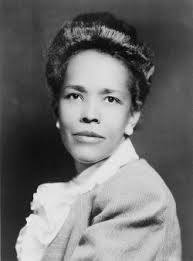 |
| prominent African American organizer in the Civil Rights Movement; born in Trinidad; grew up in the U.S.; developed Black Power Movement; a leader in the SNCC; later worked in the Black Panther Party; left the U.S. in 1968 and reestablished himself in Ghana | Stokely Carmichael, 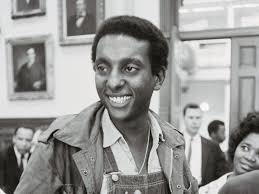 |
| American Woman's Suffrage leader; campaigned for the 19th Amendment, which gave women the right to vote in 1920; president of the National American Woman's Suffrage Association; founded the League of Women Voters | Carrie Chapman Catt, 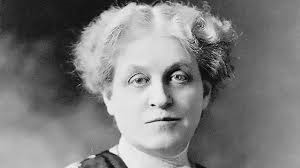 |
| American labor leader and Civil Rights activist; co-founder of the National Farm Workers' Association (later the United Farm Workers' Association); used nonviolent tactics to promote Latino American causes | Cesar Chavez, 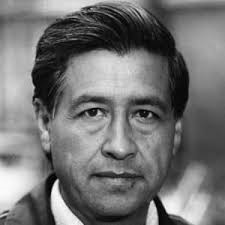 |
| African American sociologist, historian, and Civil Rights activist; promoted Pan-Africanism; 1st African American to earn a doctorate degree at Harvard; one of the founders of the NAACP | W.E.B. Du Bois, 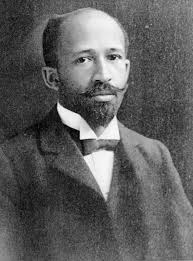 |
| African American Civil Rights activist in Mississippi; state field secretary of the NAACP; WW II veteran; worked to overturn segregation at the University of Mississippi; promoted voting rights for African Americans in Mississippi; assassinated in 1963 by a white supremacist & member of the KKK | Medgar Evers, 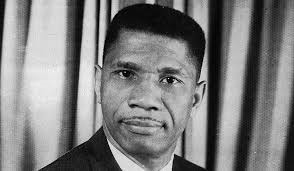 |
| Indian activist & leader of Indian Independence movement against British rule; employed civil disobedience & nonviolent resistance techniques which influenced MLK, Cesar Chavez, and other American activists | Mahatma Gandhi, 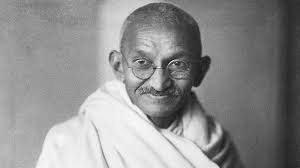 |
| Jamaican-born political leader, journalist, publisher, entrepreneur, and orator; leader of the Universal Negro Improvement Association, and also his Black Star Line (a shipping and passenger company); planned to develop Liberia and resettle African Americans there | Marcus Garvey, 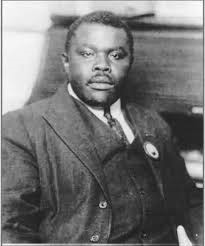 |
| African American voting and women's rights activist; leader in the Civil Rights Movement; co-founder of the Freedom Democratic Party (1964); organized Mississippi's Freedom Summer with the SNCC; was assaulted and beaten while trying to register for and exercise her right to vote | Fannie Lou Hamer, 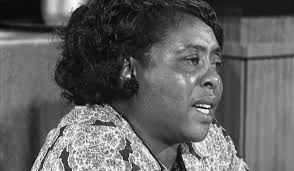 |
| American disability rights activist; her work has influenced legislation which benefits people with disabilities; serves as Special Advisor for International Disability Rights (2010 to present) | Judith Heumann, 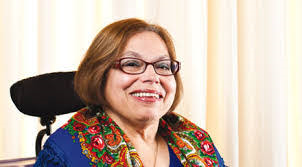 |
| was the young woman originally destined to integrate the University of Alabama, but her application was denied by the university; her friend, Autherine Lucy, became the one who attempted to integrate the University of Alabama, but the attempt was unsuccessful | Pollie Anne Myers Hudson |
| American labor leader and Civil Rights activist; worked with Cesar Chavez as co-founder of the National Farm Workers' Association (now the United Farm Workers' Association); helped organize 1965 Delano Grape strike in Californiz | Dolores Huerta, 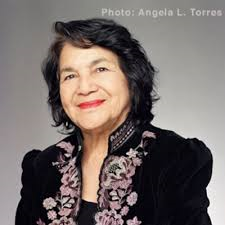 |
| African American Civil Rights activist; Baptist minister; politician; was a candidate for the Democratic presidential nomination in 1984 and 1988 | Jesse Jackson, 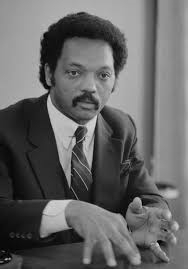 |
| African American author, activist, and Civil Rights leader; wife to MLK, Jr.; advocate for African American equality; carried on her husband's work after his assassination | Coretta Scott King, 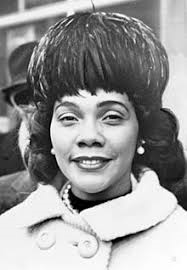 |
| African American leader of the Civil Rights Movement; Baptist minister; practiced civil disobedience and nonviolent resistance; noted author and orator; helped organize the 1963 March on Washington; winner of the 1964 Nobel Peace Prize; assassinated in 1968 while in Memphis, Tennessee by James Earl Ray | Martin Luther King, Jr., 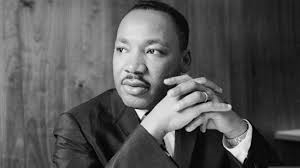 |
| African American Civil Rights activist; member of the SCLC; a key associate of MLK, Jr. | Bernard Lee, 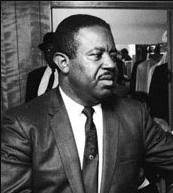 |
| African American Civil Rights leader; served as chairman of the SNCC; helped organize the March on Washington (1963); has served as U.S. Representative for Georgia's 5th Congressional district since 1987; Also a Presidential Medal of Freedom recipient | John Lewis, 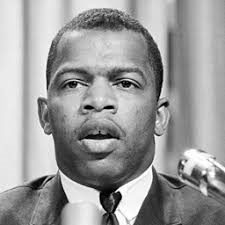 |
| African American Civil Rights figure; first African American student admitted to the University of Mississippi; planned a "March Against Fear" in 1966, where he received a serious gunshot wound from a white supremacist; he survived and is still living in 2019 | James Meredith, 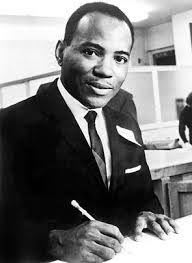 |
| African American educator and Civil Rights activist; served as a leader of the SNCC; worked to educate and register voters in Mississippi during the Civil Rights Movement; helped found the Mississippi Freedom Democratic Party; still alive as 2019 begins | Robert P. Moses, 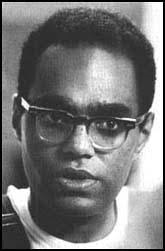 |
| African American religious leader, led Nation of Islam from 1934 until his death in 1975; mentor to Malcolm X, Louis Farrakhan, and Muhammad Ali | Elijah Muhammad, 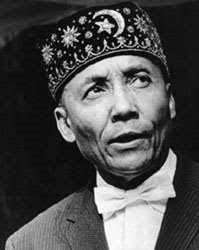 |
| African American Civil Rights activist; played a pivotal role in the Montgomery Bus Boycott; served as a secretary of the Montgomery chapter of the NAACP | Rosa Parks, 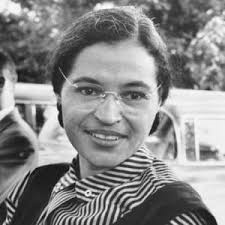 |
| American suffragist, feminist, women's rights activist; a leader in the campaign for the 19th Amendment; went on to fight for the Equal Rights Amendment; protested against discrimination in the Civil Rights Act of 1964 | Alice Paul, 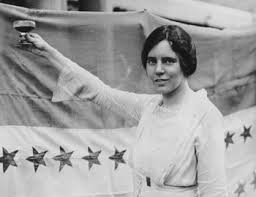 |
| Mexican American physician, WW II veteran, and Civil Rights advocate; founder of the American G.I. forum; served as a representative to the U.N. in 1967; appointed to the Commission on Civil Rights in 1968; awarded the Presidential Medal of Freedom (1984); named to the Order of St. Gregory by Pope John Paul II in 1990 | Hector Perez Garcia, 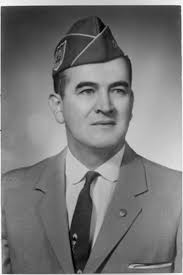 |
| Baptist pastor, African American politician; represented Harlam, New York City in the U.S. House of Representatives (1945-1971); first person of African American descent to be elected from New York to Congress; a national spokesperson for Civil Rights and social issues | Adam Clayton Powell, Jr., 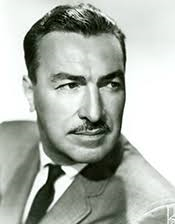 |
| American Unitarian Universalist minister; activist in the Civil Rights Movement; while participating in the Selma to Montgomery marches, he was murdered by white segregationists | James Reeb, 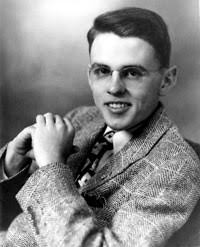 |
| American women's rights activist and educator from New York; instrumental in the creation of Title IX, worked to educate people about gender discrimination and sexual harassmant | Bernice "Bunny" Sandler, 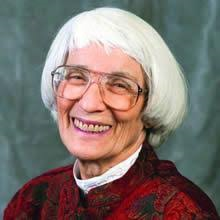 |
| American activist who championed birth control and sex education; established organizations that evolved into Planned Parenthood | Margaret Sanger, 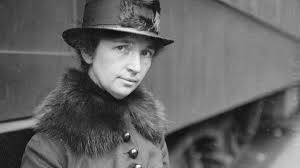 |
| revolutionary African American political activist; co-founder (with Bobby Seale) of the Black Panther Party (1966); murdered by a member of the Black Guerilla Family in a dispute over drug dealing (1989, Oakland, CA) | Huey P. Newton, 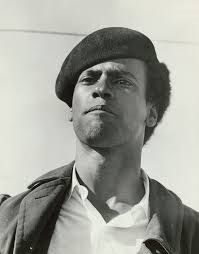 |
| African American political activist; co-founder of the Black Panther Party (with Huey P. Newton, 1966); from Liberty, Texas | Bobby Seale, 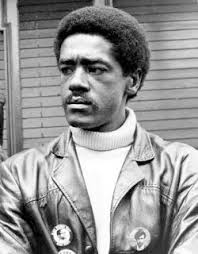 |
| American constitutional lawyer and conservative political activist; supported anti-feminism; opposed abortion; successfully campaigned against the ratification of the Equal Rights Amendment | Phyllis Schlafly, 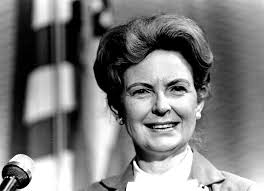 |
| African American Civil Rights activist; led the fight against segregation and racism as a minister in Birmingham; co-founder of the SCLC; helped MLK, Jr. during the Civil Rights Movement; is still living as 2019 begins | Fred Shuttlesworth, 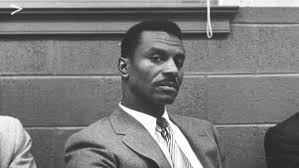 |
| American suffragist, social activist, abolitionist; leading figure of the early women's rights movement; wrote "Declaration of Sentiments" which was presented at Seneca Falls (1848); president of the National Woman's Suffrage Association (1892-1900); friend to Susan B. Anthony | Elizabeth Cady Stanton, 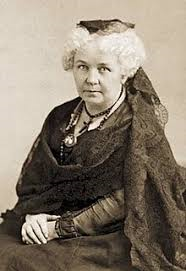 |
| American feminist, social and political activist; nationally recognized leader/spokeswoman for the American feminist movement of the late 1960's and early 1970's; co-founder of "Ms." magazine | Gloria Steinem, 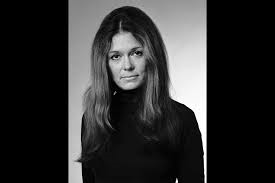 |
| prominent U.S. orator, abolitionist, suffragist, and advocate for women's rights in the 19th century; 1st woman from Massachusetts to earn a college degree; helped form the American Woman's Suffrage Association (AWSA); part of the triumvirate of women's suffrage and feminism with Susan B. Anthony and Elizabeth Cady Stanton | Lucy Stone, 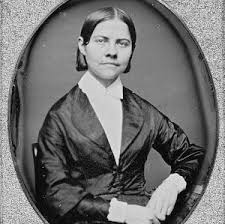 |
| African American abolitionist and women's rights activist; born into slavery (1797); escaped to freedom in 1826; her 1851 speech at the Ohio Women's Rights Convention in Akron became known as "Ain't I a Woman?" | Sojourner Truth, 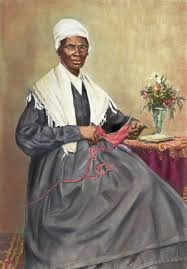 |
| African American educator, author, orator, and advisor to presidents of the United States; between 1890 and 1915, he was the dominant leader in the African American community; a proponent of African American business (founded the National Negro Business League) and education (founder of Tuskegee Institute) as the best way to raise the condition of African Americans in the U.S. | Booker T. Washington, 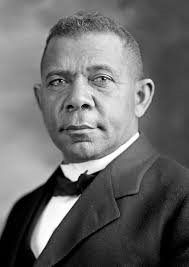 |
| African American investigative journalist, educator, early leader of the Civil Rights Movement; one of the founders of the NAACP; was probably the most famous African American woman in America during her lifetime - a life which was devoted to combating prejudice and violence | Ida B. Wells, 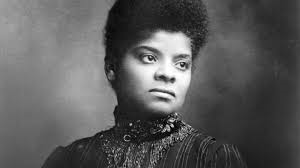 |
| American Muslim minister and Civil Rights activist; some saw him as a courageous advocate for the rights of African Americans; others saw him as a man who preached racism and violence; one of the most influential - and controversial - African Americans in history; assassinated in 1965 by 3 members of the Nation of Islam | Malcolm X, 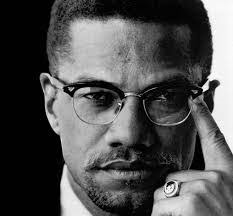 |
| African American leader in the Civil Rights Movement; active in the SNCC, the Black Panther Party, and the League of Revolutionary Black Workers; participated in freedom rides, the Albany and Birmingham campaigns, and the Selma-to-Montgomery marches | James Forman, 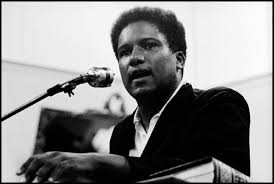 |


