| A | B |
|---|
provides a three-day air supply from days 19-21, 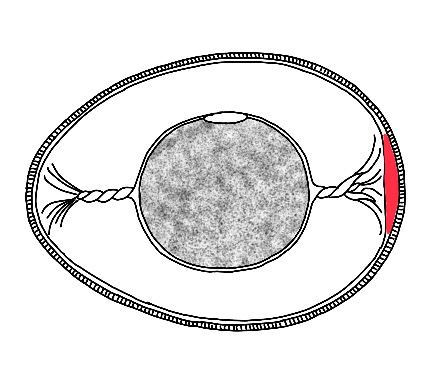 | air cell |
provides a 16-day food source of protein and water, 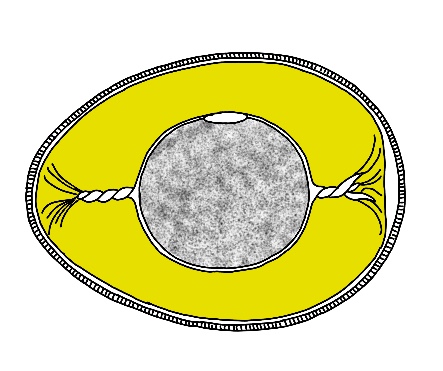 | albumen |
a temporary organ that holds waste material and is the temporary respiratory system during development, 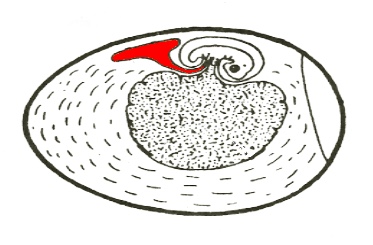 | allantois |
a sac located around the embryo that protects it from bumps and shocks; filled with clear fluid, 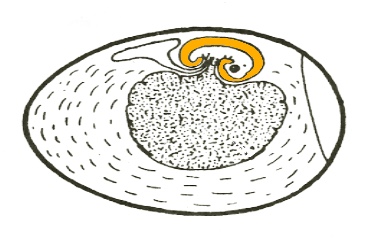 | amnion |
the white spot on the surface of every yolk; contains only the female cell, 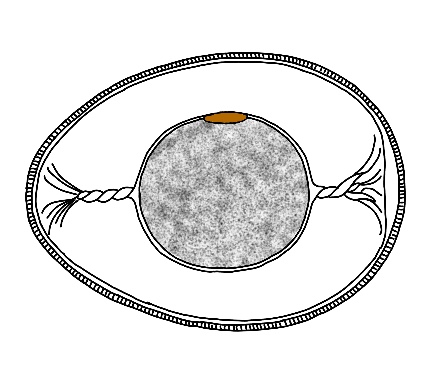 | blastodisc or germinal spot |
tightly wrapped membranes that keep the yolk centered in the egg, 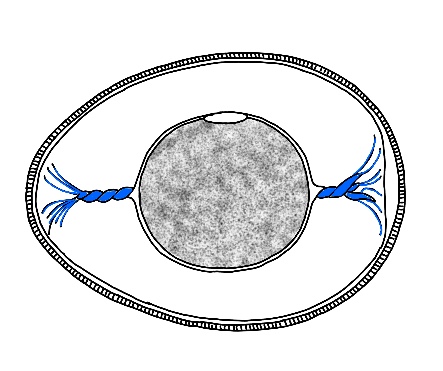 | chalazae |
thin layer around the albumen that protects the embryo from getting sick, 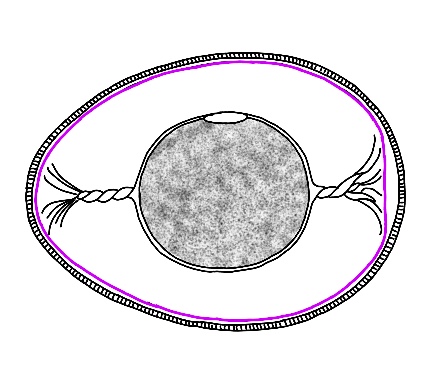 | inner shell membrane |
the thin membrane layer that is connected to the hard shell, 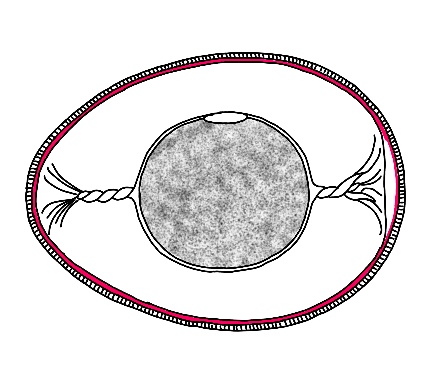 | outer shell membrane |
hard, protective covering of the egg made of calcium carbonate and has 6,000-8,000 pores, 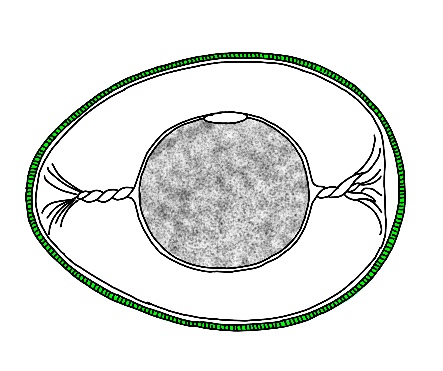 | shell |
main food source for the growing embryo; contains fat, vitamins, and minerals, 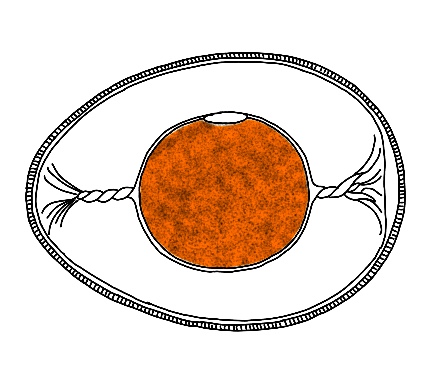 | yolk |
| the chick uses this to break out of the shell during hatching | egg tooth |
| not permanent | temporary |
| a grouping of tissues that performs a specialized task or function | organ |
| anything that the farmer grows or raises to sell for a profit | commodity |
| a manufactured item sold in a store made from an agricultural commodity | product |
| the amount received for a commodity or service in excess of the original cost | profit |



