| A | B |
|---|
| bubonic plague | another name for the black death |
| Yersinia pestis. | the name given to the bacteria that causes the black death |
| china | country black death originated |
| ships | method of transporting disease to different countries |
| rats | main host for fleas that caused black death |
| fleas | parasites that bit humans and caused infection |
| fever, headache and black swollen lymph notes | symptoms of black death |
| bubodes | name given to black swollen lymph notes |
| quarantine | term used to describe isolating to prevent spread of disease |
| bubonic plague | another name for the black death |
| plague doctor | name given to this image |
| 1300 | when did the black death spread across Asia and Europe |
| asia, europe and africa (north) | the main continents affected by the black death |
| bloodletting | method of dealing with disease and other illnesses during medieval times |
| leeches | name of 'parasitic worm' that sucked blood |
| over 100 million | the number of deaths caused by the plague, 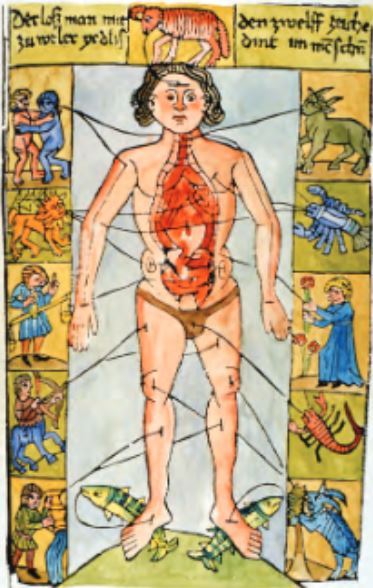 |
| 1337 | the year the black plague reached europe, 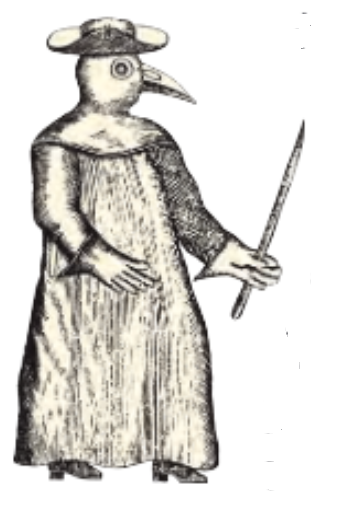 |
| 4 | Most victims died within ?? days of containing the disease. |
| black | buboes were first red and then turned what colour |
| armpits, neck, legs and groin | Painful swellings (buboes) are found in these parts of the body |
| bubonic | a common plague carried in the bloodstream of rats |
| pneumonic | this plague plague was spread by an infected person sneezing on you |
| scepticemic | this was the deadliest plague. infection went straight into bloodstream. It has a 100% fatality rate. |



