| A | B |
|---|
| physical property | characteristic of a substance that can be observed without changing the substance into something else (color & texture) |
| chemical property | characteristic that is observed when a substance changes into a different substance. |
| element | cannot be broken down into any other substances by chemical or physical., 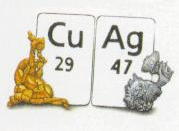 |
| physical change | changes the way material looks like but does not change the material into something new., 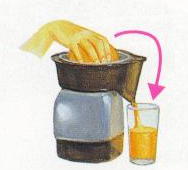 |
| chemical change | a change in matter that forms one or more new substances., 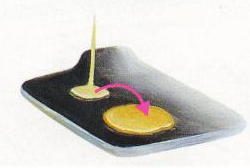 |
| atom | the smallest particle of an element, 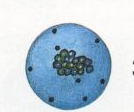 |
| periodic table | columns and rows with organized information about the elements and properties., 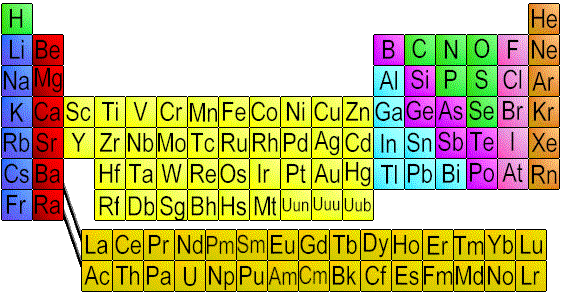 |
| atomic mass | average mass of one atom of an element |
| atomic number | the number of protons in the nucleus of its atoms. |
| symbol | the set of letters used to identify an element. |
| substance | the material that a thing is made up of: property |
| physical | material - not mental or spiritual |
| chemical | having to do with what happens when two or more substances act with each other. |
| matter | substance that something is made of. |
| color | often the first physical property noticed |
| mass | a physical property measured by how much matter an object contains |
| appearance | physical properties detected by sight |
| behavior | how something acts |
| melting point | temperature at which solid changes to liquid, 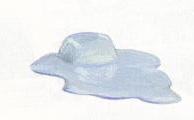 |
| density | a relationship between mass and volume |
| senses | you use these to detect the properties of matter |
| gas | our atmosphere is this state, 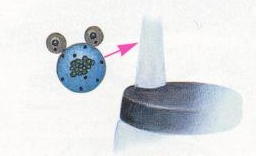 |
| boiling point | temperature at which a liquid changes into a gas, 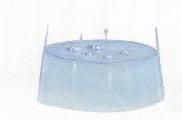 |
| condensation | a gas changing into a liquid |
| vaporization | a liquid changing into a gas |
| sublimation | a solid changing directly into a gas without becoming a liquid (dry ice) |


