| A | B |
|---|
SPEAKEASIES,  | Where people drank alcohol during Prohibition |
| BOOTLEGGERS | Smuggled illegal alcohol and promoted organized crime |
GREAT MIGRATION NORTH,  | Movement of African Americans to northern cities in search of jobs |
GEORGIA O'KEEFFE,  | An artist known for urban scenes and, later, paintings of the Southwest |
F. SCOTT FITZGERALD,  | A novelist who wrote about the Jazz Age of the 1920s |
JOHN STEINBECK,  | A novelist who portrayed the strength of poor migrant workers during the 1930s |
| AARON COPLAND & GEORGE GERSHWIN | Composers who wrote uniquely American music |
| HARLEM RENAISSANCE | African American artists, writers, and musicians based in Harlem who revealed the freshness and variety of their culture |
JACOB LAWRENCE,  | A painter who chronicled the experiences of the Great Migration north |
LANGSTON HUGHES,  | He combined the experiences of his African and American cultural roots in his poetry |
THE WRIGHT BROTHERS,  | Inventors of the airplane |
HENRY FORD,  | Increased production by use of the assembly line |
ALEXANDER GRAHAM BELL,  | Invented the telephone |
GUGLIELMO MARCONI, 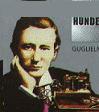 | Developed the radio |
DAVID SARNOFF,  | Known for his role in the development of the radio broadcast industry |
| ELECTRIFICATION | This changed the way Americans lived by powering washing machines, stoves, lighting, radios |
| CAUSES OF THE GREAT DEPRESSION | Over-speculation on stocks, failure of the federal reserve to prevent the collapse of banks, high tariffs which strangled trade |
| THE NEW DEAL | FDR's program to help the nation revover from the Depression |
FRANKLIN ROOSEVELT,  | His New Deal helped the economy recover from the Depression |
| FEATURES OF THE NEW DEAL | Social Security, federal work programs, farm assistance, increased labor rights |


