| A | B |
|---|
Gilded Age, 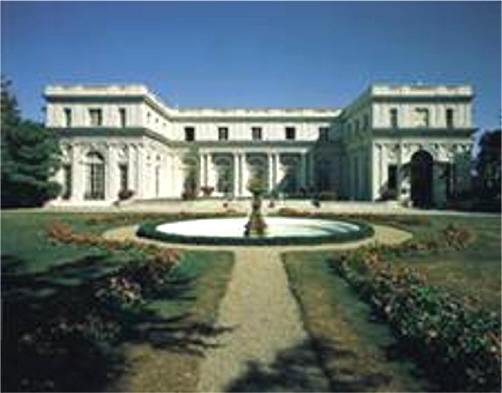 | time when reformers began taking steps to combat political corruption and special interest |
| Patronage | giving jobs to loyal supporters |
James Garfield, 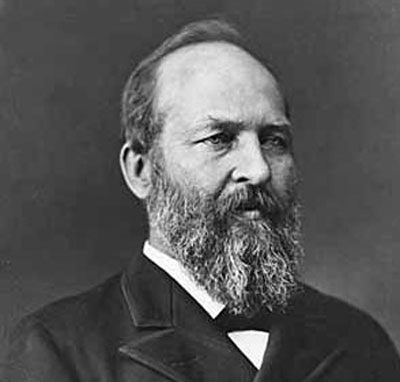 | president who believed that people should get jobs on the basis of merit; was killed by a person he did not give a public job to |
| civil service | includes all federal jobs except elected positions and the armed forces |
| Grover Cleveland | signed the Interstate Commerce Act |
Boss William Tweed, 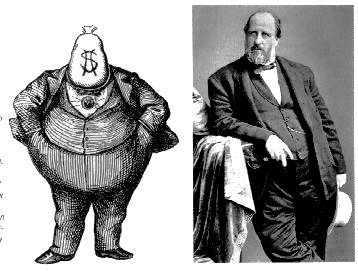 | never held public office, but was able to steal over $100 million from NYC |
Muckrakers, 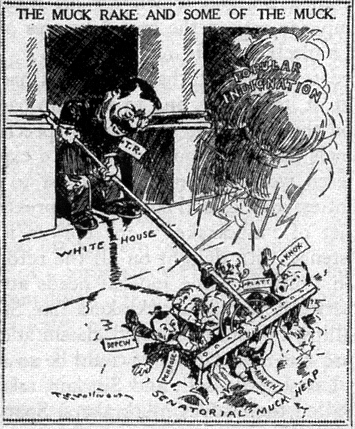 | crusading journalists who exposed corruption to the public (Tarbell-big business, Sinclair- meat packing) |
| Progressives | forward-thinking people who wanted to improve American life |
| public interest | good of the people |
| John Dewey | progressive educator who wanted schools to promote reform |
| Robert LaFollette | introduced the Wisconsin Idea that lowered train prices, etc. |
| Primaries | voters choose their party's candidate for general election |
| initiative | gave voters right to put a bill directly before the state legislature |
| referendum | allowed people to vote a bill into law during the next election |
| recall | allowed voters to remove an elected official in the middle of their term |
| Graduated Income Tax | taxes people from different income levels at different rates; supported by the progressives |
| Theodore Roosevelt | president responsible for Trustbusting, Square Deal, Protecting consumers and conservation |
| Trustbuster | people who wanted to destroy all trusts |
| Square Deal | Roosevelt's idea that all people should have equal opportunity to succeed |
| Pure Food and Drug Act | required food and drug makers to list ingredients on their packages |
| conservation | protection of natural resources |
Woodrow Wilson,  | proposed New Freedom- breakup trusts and promote competition |
| Federal Trade Commision | had power to investigate companies and order them to stop using business practices that destroyed competition |
| Suffragist | people who campaigned for women's right to vote |
| 19th Amendment | gave women the right to vote |
| Temperance Movement | people against the use of alcoholic beverages |
| Frances Willard | a leader in the temperance movement who worked on laws banning alcohol |
| 18th Amendment | made it illegal to sell alcoholic drinks anywhere in the United States |
| Booker T. Washington | founded the Tuskegee Institute to achieve higher education for blacks |
| National Association for the Advancement of Colored People (NAACP) | founded to fight for equal rights for African Americans |
Ida Tarbell, 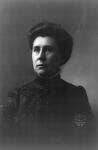 | Described cut-thoat methods of eliminating competition by big business, 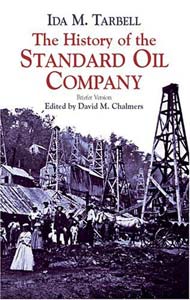 |
Jacob Riis,  | Wrote about life in the slums,  |
Lincoln Steffens, 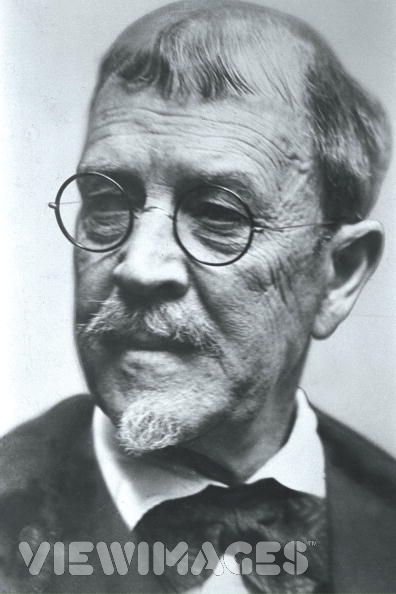 | Leader of muckraking movement, exposed corruption in city gov't |
| Jane Addams | Co-founded Hull House |
| Triangle Shirt Waste Factory | Disaster resulted in laws protecting from slave labor conditions, 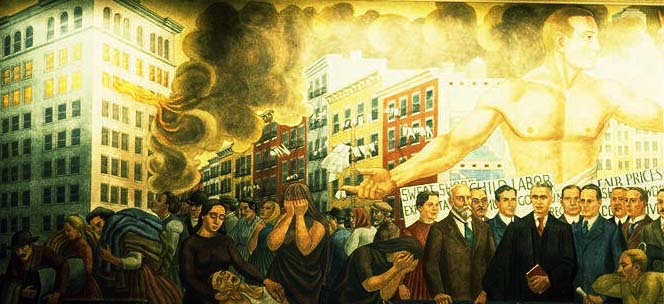 |
| Populists | Supported by farmers seeking tax and election reform. |
| Socialists | Blamed capitalism for big gap between rich & poor |
| Mugwumps | Republicans for reform in hiring gov't workers based on skill |
| Secret Ballot | Used to vote with privacy, no pressure |
| 17th Amendment | Senators voted for directly by the people |
| Suffrage | The right to vote |
| Populists | Believed public ownership of railroads and direct election of Senators |
| NAWSA | National American Women's Suffrage Association |
| Opposed to women's suffrage | Some men, liquor industry, child labor industries |
| NACW | National Association of Colored Women |
| J. Hogg | Reform governor who helped to shut down illegal insurance companies |
| LaFollette | Reform governor who tried to regulate big business |
| Keating-Owens Act | Attempts to stop child labor. |
| Child labor was needed because | families needed the money. |
| National Child Labor Committee | goal was to stop child labor |
| Strategies for gaining right to vote | Go to state legislatures, sue, 19th Amendm't |
| Women gained the right to vote during this year. | 1920 |
| Limited working day to 10 hours | Muller vs. Oregon |


