| A | B |
|---|
| Data has a unique parent and 1 or more siblings. | tree map or hierachy maps |
| A way that employs 3D space to organize data. | task gallery |
| Deeply rooted in human history and can aid in the visual presentation of information. | storytelling |
| An automatic changing data system | data mining |
| This is a way to organize data in a spatial pattern | spire |
| Helps users identify time-related patterns, trends, and relationships across a large collection of documents. | theme river |
| Computer aided tracking and characterizationof homicides | CATCH |
| Information is organized and viewed as fractal spaces. | fractal projection |
| The image of stars in the night sky to represent a set of documents. | galaxy map |
| The topics or themes within a set of documents are shown as a relief map of natural terrain. | theme view |
| Uses interactive graphical interfaces to display, measure, and understand large amounts of data. | information visualization |
| Sequential lists:A typical Internet search result would be an example. | linear data |
| Data uses time as the one dimension (i.e. timelines, animations, project timelines, and video representations). | temporal |
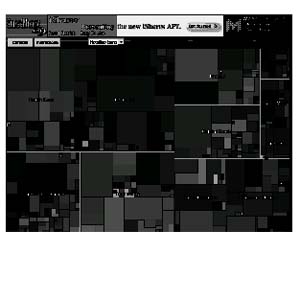 | Tree map |
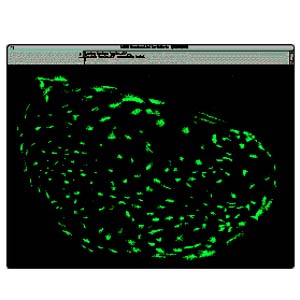 | Galaxy map |
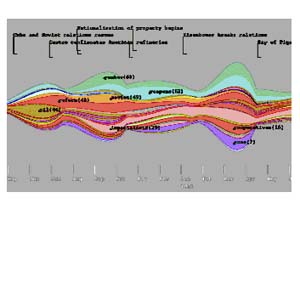 | Theme River |
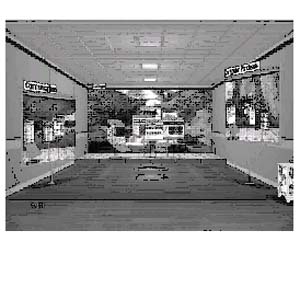 | task gallery |
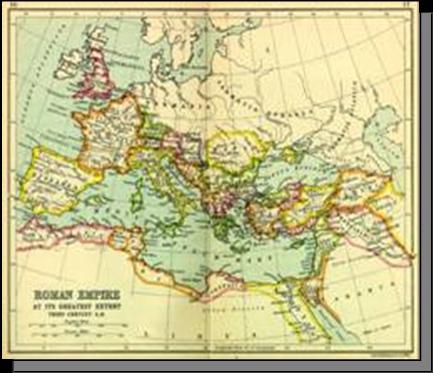 | 2D map |
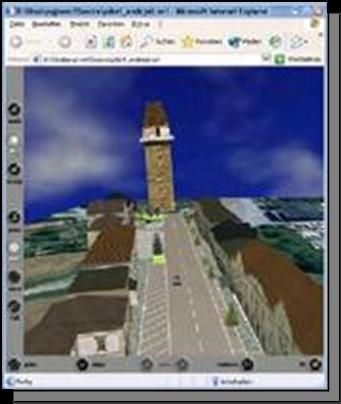 | 3D map |
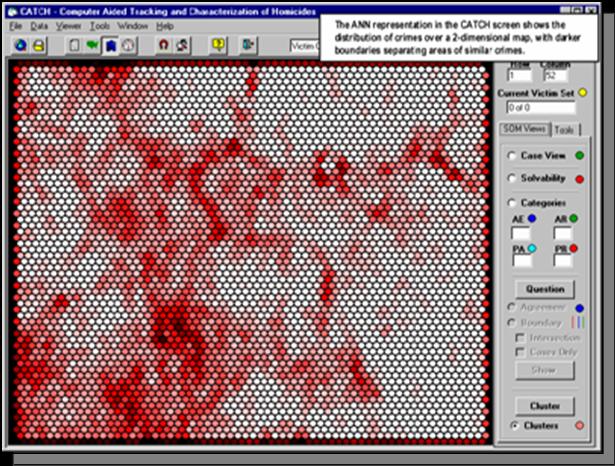 | catch |
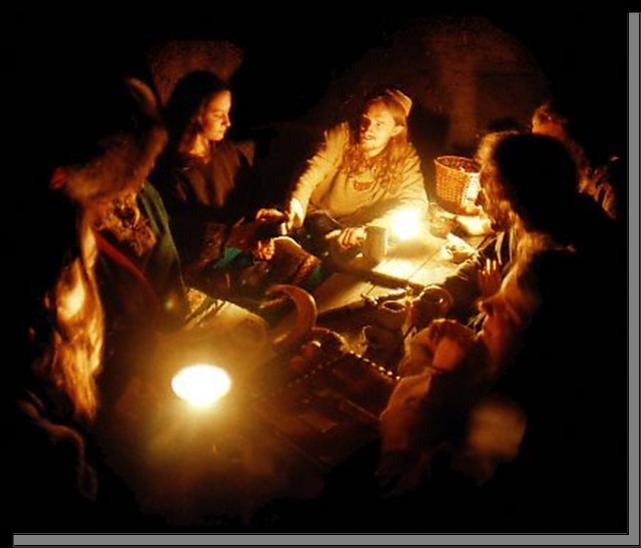 | storytelling |
 | data mining |
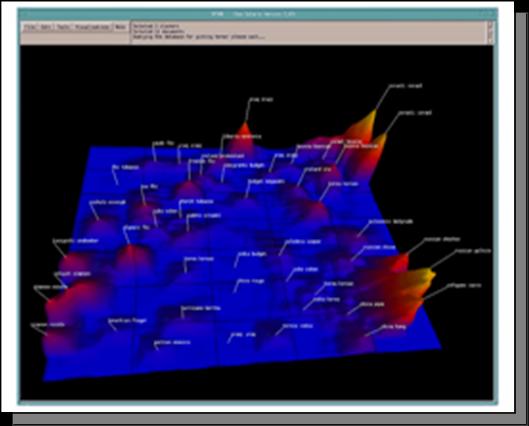 | theme view |



