 Top
|
Bottom
Top
|
Bottom
7086 Personal Finance Week #18, 2014 Announcements For January - Exam Week--January 13 through 17
- January 17 End of 2nd Grading Period
- No School January 20--Martin Luther King's Birthday Celebration
- January 21 Required Teacher Workday--No School For Students
- January 22--2nd Semester Starts
Top
|
Bottom
Agenda for Today, January 13, 2014
 Exam - Use this file, Final Exam Study Guide
Final Exam Study Guide file to review for the final Elements exam- Look at your lowest quiz grades to know where to start.
- Hold down the CTRL key and Click on the link to play the activity
- Record your progress on your hard copy handout
- Turn in the hard copy when completed
- 1st Period--8:05-12:30
- 2nd Period Review Session--12:35-2:55
- Lunch
- 1st Lunch 12:35-12:55
- 2nd Lunch 12:55-1:15
- 3rd Lunch 1:15-1:35
Agenda for Today, January 14, 2014
Top
|
Bottom
Exam - 2nd Period--8:05-12:30
- 3rd Period Review Session--12:35-2:55
- Lunch
- 1st Lunch 12:35-12:55
- 2nd Lunch 12:55-1:15
- 3rd Lunch 1:15-1:35
Agenda for Today, January 15, 2014
Top
|
Bottom
Exam - 3rd Period--8:05-12:30
- 4th Period Review Session--12:35-2:55
- Lunch
- 1st Lunch 12:35-12:55
- 2nd Lunch 12:55-1:15
- 3rd Lunch 1:15-1:35
Agenda for Today, January 16, 2014
Top
|
Bottom

Exam - 4th Period--8:05-12:30
- 1st Period--12:35-2:55 (Make-Ups)
- Lunch
- 1st Lunch 12:35-12:55
- 2nd Lunch 12:55-1:15
- 3rd Lunch 1:15-1:35
Agenda for Today, January 17, 2014End of 2nd Grading Period No School January 20--Martin Luther King's Birthday Celebration
Top
|
Bottom
 - Regular Schedule/Make-ups
- EverFi Certification Celebration!!!
7086 Personal Finance Week #17, 2014 Announcements For January - Exam Week--January 13 through 17
- January 17 End of 2nd Grading Period
- No School January 20--Martin Luther King's Birthday Celebration
- January 21 Required Teacher Workday--No School For Students
- January 22--2nd Semester Starts
Top
|
Bottom
To Improve Your 4th 9-weeks grade, Click Bottom to Take any 4th 9-weeks quiz you have a zero for
Agenda for Today, January 6, 2014


Personal Finance Performance Exam
Completing the Personal Finance curriculum and EverFI Modules have equipped you to make sound financial decisions.
Credit card bills, debt, saving, and financing higher education may not be top of mind for most students, but the financial decisions you make today will have a long-term impact on your life. Poor financial awareness jeopardizes your ability to succeed in today's complex and competitive environments. Congratulations on your successful completion of Personal Finance and EverFi! Now it is time to "show what you know"!
- Files you will need:
- Improve Grades
- Study with Quia Review Games Every chance you get
Agenda for Today, January 7, 2014
Top
|
Bottom
Personal Finance Performance Exam
On Friday, you received a folder with your name on it. At the end of the class period, you put all your printed materials and notes in this folder and turned in to the turn-in tray. You cannot work on this outside of class. You created a folder and named it PFPerfExam2013 on your G drive to save all your documents, including this one. All documents should keep their original filename followed by your name.
 You started your performance exam by doing the following:
- Go to http://www.careeroutlook.us/table.php?state=NC&cluster=all&interest=all (Press Ctrl key and click the link) and find something very close to one of the jobs you researched in the career unit. Together, you and I, must agree on your choice. You must justify your choice and get it approved by me before you move to step 2. You cannot simply choose it for money. If necessary I will choose for you! Your salary is the Salary Entry number. This is your GROSS income.
- Get an Income/Car Payment Worksheet from your teacher. Your NET income should be your Gross – 37% of your Gross Income. Use this worksheet to help you do your math.
- Take your teacher your worksheet for your salary and get her to check your numbers.
- After your numbers are checked draw for children, spouse, and a loan. It’s the luck of the draw my friend!
- Get a check register and a page of checks from your teacher and do the following:
- Enter your net salary as a deposit on your check register.
- If you are married enter $1000 on your check register as a deposit for your spouse’s salary. If not don’t enter anything for this.
- If you have a loan to pay back enter it as a payment/debit via automatic withdrawal in the amount of $100. If not don’t enter anything for this.
- Download the Exam PowerPoint listed below. Open the Performance Exam PowerPoint and save it to your G Drive as PFPerfExamYourName. If you want to do your check register electronically you can open that as well and save it as CheckRegisterYourName.
- Begin with Part I below. Do your best and make good choices. Remember to satisfy your NEEDS before your WANTS. This slides are not in any particular order.
- Files you will need:
- Improve Grades
Agenda for Today, January 8, 2014
Top
|
Bottom
Agenda for Today, January 9, 2014Test Taking Tips
Top
|
Bottom

- Bring at least two pens/pencils with good erasers, a calculator with enough batteries and any other resources that your instructor allows you to.
- Bring a watch to the test so that you can better pace yourself.
- Keep a positive attitude throughout the whole test and try to stay relaxed. If you start to feel nervous take a few deep breaths to relax.
- Keep your eyes on your own paper, you don't want to appear to be cheating and cause unnecessary trouble for yourself.
- When you first receive your test, do a quick survey of the entire test so that you know how to efficiently budget your time.
- Do the easiest problems first. Don't stay on a problem that you are stuck on, especially when time is a factor.
- Do the problems that have the greatest point values first.
- Pace yourself, don't rush . Read the entire question and pay attention to the details.
- Ask the instructor for clarification if you don't understand what they are asking for on the test.
- Write legibly. If the grader can't read what you wrote, they'll most likely mark it wrong.
- Always read the whole question carefully. Don't make assumptions about what the question might be.
- If you don't know an answer, skip it. Go on with the rest of the test and come back to it later. Other parts of the test may have some information that will help you out with that question.
- Don't worry if others finish before you. Focus on the test in front of you.
- If you have time left when you are finished, look over your test. Make sure that you have answered all the questions. Only change an answer if you misread or misinterpreted the question because the first answer that you put is usually the correct one. Watch out for careless mistakes and proofread your essay and/or short answer questions.
- Double check to make sure that you put your first and last name on
- 1st Period CTE, MSL, & Other Classes 8:05-10:15
- 3rd Period CTE, MSL, & Other Classes 10:25-12:30
- 2nd Period 12:35-1:35
- 4th Period 1:40-2:55
Agenda for Today, January 10, 2014Early Release Study Tips & Study Skills
Top
|
Bottom
 Students with better study methods and strategies score higher on their exams.
- Everyone is different. Different methods work for different people; the following are only suggestions on improving upon your current studying techniques.
- It is best to review the material right after class when it's still fresh in your memory.
- Don't try to do all your studying the night before the test. Instead space out your studying, review class materials at least several times a week, focusing on one topic at a time.
- Have all of your study material in front of you: lecture notes, course textbooks, study guides and any other relevant material.
- Find a comfortable and quiet place to study with good lighting and little distractions (try avoiding your own bed; it is very tempting to just lie down and take a nap).
- Start out by studying the most important information.
- Learn the general concepts first, don't worry about learning the details until you have learned the main ideas.
- Take notes and write down a summary of the important ideas as you read through your study material.
- Take short breaks frequently. Your memory retains the information that you study at the beginning and the end better than what you study in the middle.
- Space out your studying, you'll learn more by studying a little every day instead of waiting to cram at the last minute. By studying every day, the material will stay in your long-term memory but if you try to study at the last moment, the material will only reside in your short-term memory that you'll easily forget.
- Make sure that you understand the material well, don't just read through the material and try to memorize everything.
- If you choose to study in a group, only study with others who are serious about the test.
- Test yourself or have someone test you on the material to find out what your weak and strong areas are. You can use the review questions at the end of each chapter, practice tests that the teacher may give out or other pertinent materials.
- Listening to relaxing music such as classical or jazz on a low volume can relieve some of the boredom of studying.
- Don't study later than the time you usually go to sleep, you may fall asleep or be tempted to go to sleep, instead try studying in the afternoon or early evening. If you are a morning person try studying in the morning.
- 2nd Period CTE, MSL, & Other Classes 8:05-10:15
- 4th Period CTE, MSL, & Other Classes 10:25-12:30
- 1st Period 12:35-1:35
- 3rd Period 1:40-2:55
7086 Personal Finance Week #16, 2013 Announcements For December - Become EverFi Certified by December 20, 2013. Congratulations to: TyQuan, Alma, Kacey, McKinzie, Hunter, Zack, Carleigh, Rayshon, Trey, Tyler, LaKey, Kaylee, Brandy, Justin, Miguel, Alyssa, Kaitlyn, Aydasha, Cierra, Jasmine, Donzell, Jacob, Makenzie, Shawn, Brandon and Justin ~ All are EverFi Certified!!!
- Early Release December 20, 2013
- Christmas Holidays, December 20 - January 5, 2014
- Identity Theft News Update!!! Learn more at Global Network of Hackers Steal $45m from ATMs
Agenda for Today, December 16, 2013Top
|
Bottom

Files you will need for 8.01 - 8.01 FEFE Savings PowerPoint
- 8.01 FEFE Investing PowerPoint
- 8.01 FEFE Savings & Investing Informational Sheet PowerPoint
- 8.01 Savings & Investing Chart PowerPoint
- Savings & Investment Flipper
Savings
View Money & Careers: Savings Accounts Savings is the portion of current income not spent on
consumption. Savings tools are liquid assets. Assets
include everything an individual or household owns
with monetary value. Examples of assets include cash,
automobiles, houses, and furniture. Liquidity is how
quickly and easily an asset can be converted into cash.
If an individual were to have an emergency, cash needs
to be available in a savings tool that is easily accessible.
Savings are often used to provide for emergency
expenses, but are also used to save for the purchase of
expensive items without having to use credit. Paying for
a vacation or purchasing an automobile are large
financial events that may be accomplished by using
savings.

Investments
View Behavioral Finance for Everyday Investors: Herding
Investing is the purchase of assets with the goal of
increasing future income. A major difference between
savings and investing is the degree of liquidity.
Investments are not typically as liquid as savings tools;
however, the degree of liquidity depends on the type of
investment tool. In order to get money from certain
investment tools without losing the amount put in, an
individual may have to wait a long time. Therefore, an
individual shouldn’t rely on investments to provide
money in case of an emergency. Investments are
usually used to pay for long‐term expenses such as
paying for a house down payment in ten years,
retirement income in thirty years, or paying for a child’s
college education. Why Are Savings & Investing Important?
Saving provides the foundation for financial security while investing enhances wealth. Saving is essential to financial
security, because without savings, an individual or household might not be able to pay for an unanticipated expense,
no matter how large their income is. Wealth is defined as a measurement of how much a person or household owns
once all debts have been paid. By investing, an individual or household is working towards wealth accumulation. By
becoming financially secure and building wealth, saving and invesng help an individual or household pay for a
particular level of living in the present and then aspire to a standard of living in the future. Level of living is defined
as the amount of money needed to pay for the necessities and comforts currently enjoyed. Standard of living is the
minimum necessities, comforts, or luxuries thought to be essential. Standard of living is a higher level of living that
an individual or household wishes to reach through income increases and wealth accumulation. Investments may
help an individual or household reach their desired standard of living.
What Do I Do?
- Bell Ringer: For a review of Credit, watch this video Quest for Credit
- Pass out all documents in the pick-up tray
- Read the Savings & Investing Informational Sheet
- View the Savings PowerPoint and complete the notes guide handout
- View the Investment PowerPoint and complete the notes guide handout
- Study with Quia Review games 8.01 to be successful with the 8.01 Elements quiz.
Agenda for Today, December 17, 2013 Files you will need for 8.02 Financial Planning - 8.02 FEFE Financial Planning Informational Handout
- 8.02 FEFE Financial Planning PowerPoint
- 8.02 Fill-in-the-Blanks Notes Word Handout
- 8.02 FEFE Your Spending Plan Spreadsheet
- 8.02 Financial Planning Unpacked Content PowerPoint
Financial Planning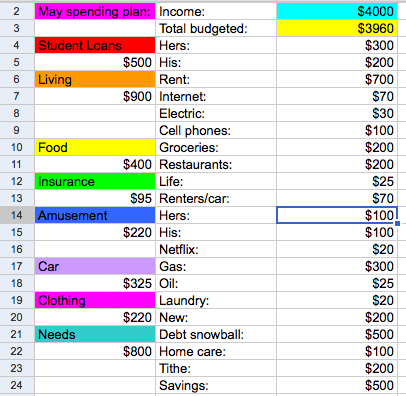 Everyday individuals make decisions which influence their financial future. Consider the daily purchase of an
item such as a latte. When making the purchase, $3.50 may not seem to be significant. Does the purchase
seem more significant when considering it adds up to be $1,260 per year or that it could be $6,838.57 in 25
years if saved in an account earning 7% interest? What if the individual also has aspirations to purchase a new
car, attend college, or dreams of traveling to exotic places? The $6,838.57 becomes extremely valuable to
helping individuals achieve those aspirations. In the daily act of managing money, individuals are always
making trade‐offs. By acquiring one item, the individual will not be able to have the other. Financial planning is
a tool used to achieve financial success based upon the development and implementation of financial goals.
Within the process, an essential financial management tool is a spending plan. A spending plan is a paper or
electronic document used to record both planned and actual income through expenditures over a period of
time.
Each individual and family has a unique spending plan, because spending decisions are based upon their unique values, needs, and wants. A value is a fundamental belief or practice about what is desirable, worthwhile, and
important to an individual. Values can be influenced by family, friends, teachers, religious affiliations, work/
career, media, and law. They guide an individual’s choice about their needs and wants. A need is something
thought to be a necessity or essential item required for life. Examples include food, water, and shelter. A want
is something unnecessary, but desired, or an item which increases the quality of living. Examples include MP3
players, DVD players, and the newest game system. A person’s perception of their needs versus wants affecting
their spending.
Financial goals are the foundation of a financial plan. A goal is defined as the end result of something a person
intends to acquire, achieve, do, reach, or accomplish in the near or distant future. Financial goals are specific
objectives to be accomplished through financial planning. Goals help individuals to consider their current
financial situation compared to where they want to be in the future. They are influenced by a person’s values,
needs, and wants. At any time, an individual may have several financial goals and the amount required to
achieve each goal may be more than an individual can allocate in their spending plan. Therefore, the process of
setting financial goals involves setting priorities and continually examining if the goals are being achieved. In
financial management, goals help a person to consider the tradeoffs they are making with each decision. A
spending plan then becomes the essential tool to ensuring money is allocated to achieve each goal.
What do you value? How do these values affect your spending?
What Do I Do?
- Bell Ringer: Checking 8.01 Savings & Investments Elements Quiz
- Read (around) the Financial Planning informational sheet
- View the Financial Planning PowerPoint to complete FEFE Financial Planning Note Taking Guide Handout
- Use 8.02 Quia Review Games to complete the 8.02 Financial Planning Elements quiz.
Agenda for Today, December 18, 2013
 Files you will need for 8.03 Income & Expenses - Income & Expense Informational Handout
- Income & Expense FEFE PowerPoint
- 8.03 Jump$tart 12 Financial Principles Star Bursts Handout
- 8.03 Financial Principles Unpacked Content PowerPoint
- 8.03 Fill in the Blanks Unpacked Content Handout
- 8.03 Income & Expenses PowerPoint
Personal Income and Expense Statements
If I asked the question of how much money you needed every month to pay yourself and your bills, would you know the answer? Most people would answer no. It is because most people do not think like business people. Most, if not all businesses spend a reasonable amount of time on budgeting and they know how much revenue is needed to pay all expenses and make a profit. It’s time for the consumer to begin thinking the same way. Attached is an income statement that lists sources of income as well as fixed and variable expenses. This is an exercise that we urge consumers to do annually. The goal is to keep your life as automatic as possible by saving regularly, have there be no (or few) surprises as possible, and realize that adding to your net worth is done by both increasing an asset and decreasing a liability. Get the statements at Personal Income and Expense Statement
What Do I Do?
- Bell Ringer: Use the Quia Review Games to complete 8.02 Elements quiz
- Complete the Fill-in the Blank Worksheet
- Complete your Personal Income & Expense Statement
- Play the 8.03 Quia Review games
Agenda for Today, December 19, 2013
Creating AdvertisementsThe effectiveness of a company’s advertising is evaluated by determining a target audience, creating a message to
grab the attention of consumers and setting their product or service apart from others. Ultimately, advertisers want
to change current habits of consumers to include their product. Why do we buy the things we do? What impact
does advertising have on an individual’s
purchasing decisions?
Advertising impacts consumers daily and many
advertisements are easy for teens and young adults to
identify. Other forms of advertisements are much more
difficult to spot. Teens often claim advertisements do
not sway the decisions they make, however they may
not realize why they think something is cool or
desirable. Most of the advertising a teenager consumes
is designed to make him or her want things.
Advertisements seek to grab a consumer’s attention,
persuading him or her to feel something and take action
as a result.
Because advertising to teens and young adults continues
to increase, consumers need to be aware of advertising
techniques used to make informed decisions.
- To advertise is to call public attention to a product
or service to promote a sale.
- An advertiser is a person or company that has a
product they want to sell.
- An advertisement is created that focuses attention
to their product and grabs the attention of the
consumer.
Advertisements are brief and utilize verbs and
adjectives to clarify the message. Advertising appears in
all media types and cannot be avoided. CBS estimates
that the average American is exposed to between 3,000
and 5,000 advertisements daily. We see/hear
advertisements everywhere including clothing,
billboards, newspapers, magazines, television, radio, and
Internet. Advertising is a huge business and requires
knowledge about consumers and how to get them to pay
attention.
- Companies determine and research their target
audience by evaluating the following items:
- The perception of needs and wants
- Problems consumers may encounter
- Emotions experienced causing negative and
positive reactions
- Current or desired lifestyle
- The next step for advertisers is to grab the attention
of their target audience. This can be accomplished
through some of the following techniques:
- When persuading consumers to
use their product, advertising
companies must differentiate their
brand from others. This can be
accomplished in any of the following ways:
- Describing the product benefits
- Showcasing unique qualities
- Illustrating the value and quality of the product
- Creating an advertisement consumers will
remember by using catchy music, exciting words
and pictures
- The final goal and effectiveness indicator for
advertisers is the ability to change brand
preference or current habits of the consumer. If
consumers change their preferences and begin using
the advertised product or service, the advertiser has
met his/her goal.
- Using emotions that focus on love,
belonging, prestige and self-esteem
- Showing how consumers can save money
- Making promises of a better life
- Solving consumer problems
- Using a creative and appealing layout
What Do I Do? - Bell Ringer: Complete any unfinished work
- Speaker: Mr. Tyrone Ayers from State Farm Insurance 10:30
- Review This 7.04 Ads & Sales FEFE Informational Handout
- Review this 7.04 FEFE Advertisement & Sales PowerPoint and complete notes
- EverFi Celebration, Friday, May 17, 2013!
- Study with Quia Review games every chance you get
Agenda for Today, December 20, 2013EARLY RELEASE! 
Personal Finance Performance Exam
Completing the Personal Finance curriculum and EverFI Modules has equipped you to make sound financial decisions.
Credit card bills, debt, saving, and financing higher education may not be top of mind for most students, but the financial decisions you make today will have a long-term impact on your life. Poor financial awareness jeopardizes your ability to succeed in today's complex and competitive environments. Congratulations on your successful completion of Personal Finance and EverFi! Now it is time to "show what you know"!
What Do I Do? - Files you will need:
- Improve Grades
7086 Personal Finance Week #15, 2013
Announcements For December - Become EverFi Certified by December 20, 2013. Congratulations to: TyQuan, Alma, Kacey, McKinzie, Hunter, Zack, Carleigh, Rayshon, Trey, Tyler, LaKey, Kaylee, Brandy, Justin, Miguel, Alyssa, Kaitlyn, Aydasha, Cierra, Jasmine, Donzell, Jacob, Makenzie, Shawn, Brandon and Justin ~ All are EverFi Certified!!!
- Early Release December 20, 2013
- Christmas Holidays, December 20 - January 5, 2014
- Identity Theft News Update!!! Learn more at Global Network of Hackers Steal $45m from ATMs
Agenda for Today, December 9, 2013Top
|
Bottom

What is Credit?
Credit is when goods, services, or money is received in exchange for a promise to pay a definite
sum of money at a future date. A lender is the person or organization who has the resources to
provide the individual with a loan. A borrower is the person or organization that is receiving the
money from the lender. The lender “trusts” the borrower to repay the money. Therefore, the
lender determines whether or not to grant the borrower credit based on their perceived
creditworthiness. Creditworthiness is an individuals’ ability and willingness to pay the money
back. If the privilege of borrowing has been extended, the borrower is usually expected to pay
interest in addition to the amount borrowed. Interest is the price of money. When referring to
credit, interest is the charge for borrowing money.
Types of Credit There are two main types of credit: closed‐end credit and open‐end credit. Closed‐end credit is a loan which the borrower must
repay the amount in a specified number of equal
payments. Closed‐end credit usually has an
agreement (contract) which must be signed outlining
the repayment terms. Generally, the contract
specifies the number of payments, the payment
amount, and how much the credit will cost (interest
rate or fees). Sometimes, closed‐end installment
credit requires a down payment. Examples of
closed‐end installment credit include
automobile loans, mortgages, and education
loans. Open‐end credit, or revolving credit, is extended as a line of
credit established in advance so that the borrower does not
have to apply for credit each time new credit is desired. A
unique feature of revolving credit is that the loan balance
can be repaid in one single payment or a series of equal or
unequal payments, usually monthly. The borrower chooses
how much to pay each month. However, the lender usually
requires that a borrower pay at least a specified minimum
amount each month. When a cardholder decides to make a
monthly payment less than the total balance on the card,
then the remaining unpaid balance is “revolved” to the next
month.
View this Credit Cards: The Basics Video
What is a Credit Card?
Credit cards are a form of open‐end credit. A credit card is pre‐approved credit which can be used for the purchase of
goods and services now and payment of them later. In the case of credit cards, individuals may continue to borrow as
long as they do not exceed the credit limit, which is the maximum dollar amount that can be charged on the card. The
amount of the credit limit varies based upon an individual’s creditworthiness. Credit card interest is charged to the account
each month that the balance is not paid in full. The longer the cardholder takes to pay off the total balance, the
larger the total interest charges will be. The rate at which interest is charged on a credit card account each month is usually
expressed in terms of the annual percentage rate (APR), which is the cost of credit expressed as a yearly interest
rate.
View this Don't Buy Stuff You Can't Afford Video
What Do I Do?
- Bell Ringer: Pass out all documents in the pick-up tray
- Read this 7.02 FEFE Informational Handout
- Use this Understanding Credit to complete the 7.02 FEFE handout
- Get your credit score at TransUnion
- Get your credit score at Equifaz
- Complete ALL EverFi Modules by December 20 to become certified for the Celebration in 2014
- Study with Quia Review games every chance you get
Agenda for Today, Decemger 10, 2013  What is Identity Theft Identity theft occurs
when someone wrongfully
acquires and uses a
consumer’s personal
identification, credit, or
account information.
Identity theft can wreak
havoc on an individual’s
credit report, cause a person
to be arrested for crimes they
did not commit, or open
accounts using a person’s
name without the victim ever
realizing their identity had
been stolen.
Individuals whose identities
have been stolen may spend
countless weeks, months, or
even years and hundreds of
dollars resolving the problems
identity thieves have caused.
The Federal Trade
Commission (FTC) is an
agency of the United States
government that primarily
focuses on consumer
protection. The FTC helps
pass laws that protect
consumers against issues such
as identity theft.
What Do I Do?
- Bell Ringer:
- Read (around) this informational sheet Identity Theft then use this
- Identity Theft PowerPoint to complete FEFE Identity Theft Note Taking Guide Handout
- Don't forget to become EverFi certified by tomorrow!!
- Every chance you get, play Quia Review Games
Agenda for Today, December 11, 2013
 Impact of Advertisement on Purchase Decisions Impact of Advertisement on Purchase Decisions
Why do we buy the things we do? What impact
does advertising have on an individual’s
purchasing decisions?
Advertising impacts consumers daily and many
advertisements are easy for teens and young adults to
identify. Other forms of advertisements are much more
difficult to spot. Teens often claim advertisements do
not sway the decisions they make, however they may
not realize why they think something is cool or
desirable. Most of the advertising a teenager consumes
is designed to make him or her want things.
Advertisements seek to grab a consumer’s attention,
persuading him or her to feel something and take action
as a result.
Because advertising to teens and young adults continues
to increase, consumers need to be aware of advertising
techniques used to make informed decisions.
- To advertise is to call public attention to a product
or service to promote a sale.
- An advertiser is a person or company that has a
product they want to sell.
- An advertisement is created that focuses attention
to their product and grabs the attention of the
consumer.
Advertisements are brief and utilize verbs and
adjectives to clarify the message. Advertising appears in
all media types and cannot be avoided. CBS estimates
that the average American is exposed to between 3,000
and 5,000 advertisements daily. We see/hear
advertisements everywhere including clothing,
billboards, newspapers, magazines, television, radio, and
Internet. Advertising is a huge business and requires
knowledge about consumers and how to get them to pay
attention.
What Do I Do?
- Bell Ringer: Improve Grades, Quiz Grades & EverFi Certification
- Be sure you have completed ALL the EverFi Modules today, December 20, 2013 for the certification celebration in 2014
- Every chance you get, play Quia Review Games
Agenda for Today, December 12, 2013
Creating AdvertisementsThe effectiveness of a company’s advertising is evaluated by determining a target audience, creating a message to
grab the attention of consumers and setting their product or service apart from others. Ultimately, advertisers want
to change current habits of consumers to include their product. Why do we buy the things we do? What impact
does advertising have on an individual’s
purchasing decisions?
Advertising impacts consumers daily and many
advertisements are easy for teens and young adults to
identify. Other forms of advertisements are much more
difficult to spot. Teens often claim advertisements do
not sway the decisions they make, however they may
not realize why they think something is cool or
desirable. Most of the advertising a teenager consumes
is designed to make him or her want things.
Advertisements seek to grab a consumer’s attention,
persuading him or her to feel something and take action
as a result.
Because advertising to teens and young adults continues
to increase, consumers need to be aware of advertising
techniques used to make informed decisions.
- To advertise is to call public attention to a product
or service to promote a sale.
- An advertiser is a person or company that has a
product they want to sell.
- An advertisement is created that focuses attention
to their product and grabs the attention of the
consumer.
Advertisements are brief and utilize verbs and
adjectives to clarify the message. Advertising appears in
all media types and cannot be avoided. CBS estimates
that the average American is exposed to between 3,000
and 5,000 advertisements daily. We see/hear
advertisements everywhere including clothing,
billboards, newspapers, magazines, television, radio, and
Internet. Advertising is a huge business and requires
knowledge about consumers and how to get them to pay
attention.
- Companies determine and research their target
audience by evaluating the following items:
- The perception of needs and wants
- Problems consumers may encounter
- Emotions experienced causing negative and
positive reactions
- Current or desired lifestyle
- The next step for advertisers is to grab the attention
of their target audience. This can be accomplished
through some of the following techniques:
- When persuading consumers to
use their product, advertising
companies must differentiate their
brand from others. This can be
accomplished in any of the following ways:
- Describing the product benefits
- Showcasing unique qualities
- Illustrating the value and quality of the product
- Creating an advertisement consumers will
remember by using catchy music, exciting words
and pictures
- The final goal and effectiveness indicator for
advertisers is the ability to change brand
preference or current habits of the consumer. If
consumers change their preferences and begin using
the advertised product or service, the advertiser has
met his/her goal.
- Using emotions that focus on love,
belonging, prestige and self-esteem
- Showing how consumers can save money
- Making promises of a better life
- Solving consumer problems
- Using a creative and appealing layout
What Do I Do?
- Bell Ringer: Complete any unfinished work
- Speaker: Mr. Tyrone Ayers from State Farm Insurance 10:30
- Review This 7.04 Ads & Sales FEFE Informational Handout
- Review this 7.04 FEFE Advertisement & Sales PowerPoint and complete notes
- EverFi Celebration has been moved to next week. You have Until December 20, 2013 to become EverFi Certified!
- Study with Quia Review games every chance you get
Agenda for Today, December13, 2013
EverFi Celebration will be next week. You still have today to become EverFi certified!!!
Completing the EverFI Modules has equipped you to make sound financial decisions.
Credit card bills, debt, saving, and financing higher education may not be top of mind for most students, but the financial decisions you make today will have a long-term impact on your life. Poor financial awareness jeopardizes your ability to succeed in today's complex and competitive environments. Congratulations on your successful completion of EverFi!
What Do I Do?
- Bell Ringer: Get EverFi Certified!!!
- Improve Grades
7086 Personal Finance Week #14, 2013 Announcements For December - Become EverFi Certified by December 20, 2013. Congratulations to: Alma, Mckinzie, Casey, Hunter, Zack, Carleigh, Rayshon, More to come! All are EverFi Certified!!
- Christmas Holiday-No School December 20--January 6, 2014
Agenda for Today, December 2, 2013Top
|
Bottom
  Types of Insurance
Health, Life, & Disability InsuranceA look at Receiving Money From Insurance
Even the most careful people experience events, like wrecking a car, that cause financial losses. Unexpected losses
happen because life is full of risk. Risk is the chance of loss from an event that cannot be entirely controlled. Wearing
a seat belt when driving a car can reduce the risk of injury and loss, but accidents can’t be eliminated entirely. Each of
us face the risk of an accident or loss every day. No individual can achieve financial security without a plan in place to
handle risk and unexpected losses.
One of the first resources used to manage unexpected losses is emergency savings. Having funds equal to at least six
months of expenses in an emergency savings account will handle the smaller unpredicted expenses, such as fixing or
replacing a broken refrigerator. But, to protect against the risk of larger losses, individuals can purchase insurance.
Insurance is a financial product (called an insurance contract or policy) purchased from an insurance organization by
many people facing a similar risk. The insurance policy is a contract which specifies what risks are covered and how
much will be paid for the losses. The risks covered and amount of money paid for the loss is known as the coverage
and varies drastically between policies. If the covered event happens, the insurance company will make a payment to
the policyholder to pay for some or all of the resulting loss. Health Insurance
Insurance against loss by illness or bodily injury. Health insurance provides coverage for medicine, visits to the doctor or emergency room, hospital stays and other medical expenses. Policies differ in what they cover, the size of the deductible and/or co-payment, limits of coverage and the options for treatment available to the policyholder. Health insurance can be directly purchased by an individual, or it may be provided through an employer. Medicare and Medicaid are programs which provide health insurance to elderly, disabled, or un-insured individuals. There are a number of companies which provide private health insurance, including Blue Cross, United Healthcare, or Aetna.
Read more: http://www.investorwords.com/2289/health_insurance.html#ixzz2SWCyoo4A
There are four major types of health insurance coverage:
- Basic health insurance: The term basic health insurance describes most health insurance policies that cover hospital, surgical, and physician expenses. Basic health insurance can be subdivided into three main categories: hospital insurance, surgical insurance, and physician expense insurance. Hospital insurance covers hospitalization expenses, including room, board, nursing, and prescription fees. Surgical insurance covers only the direct costs of surgery, including the equipment costs and surgeon’s fees. Finally, physician expense insurance covers physicians’ fees, including fees for office visits, lab tests, x-rays, and other necessary tests.
- Major medical expense insurance: Major medical expense insurance covers medical costs that are in excess of those covered by basic health insurance. This type of insurance normally requires you to pay a co-payment and/or a deductible., and has some overall limit, such as $750,000.
- Dental and eye insurance: Dental and eye insurance covers just two expenses: expenses for dental work and expenses related to eye care. Dental and eye insurance pays for the costs of dental work, dentures, eye exams, glasses, and contact lenses. You should know which expenses your plan covers before you go to the dentist or eye doctor.
- Dread disease and accident insurance: Dread disease and accident insurance is a unique type of insurance that covers specific diseases and accidents. If your illness is not on the list given by the insurance company, it won’t be covered. This type of insurance provides a set dollar amount that is available for reimbursement. If your expenses exceed this amount, you must pay the difference.
Life Insurance
Your need for life insurance will change with changes in your life. For example, the arrival of children usually triggers a sharp increase in the amount you need. As children grow older and leave the nest, you will probably need less protection.
Term life insurance policies are the least costly. They pay death benefits but have no cash value if you decide to stop making payments. As the word "term" suggests, these policies are in effect for a specific period of time-one year or until you reach a certain age are common. You can compare life insurance policies online.
Whole life, universal life, and other cash value policies combine a long-term savings and investment product with life insurance. Canceling these policies after only a few years can more than double your life insurance costs.
If you have misplaced a life insurance policy, your state’s insurance commission may be able to help you locate it. Or you can search for it at the Policy Locator. If the insurance company knows that an insured person has died, but cannot locate the beneficiaries, the company must turn the benefits over to the state’s unclaimed property office. Check with that office if you believe that you are due a benefit. You can avoid losing your life insurance policy by alerting the policy beneficiaries and filing a copy with your will.
Disability Insurance
Disability can be more disastrous financially than death. If you are disabled, you lose your earning power, but you still have living expenses and often huge expenses for medical care. Disability insurance helps you replace lost income. Many employers offer some type of disability insurance coverage for employees, or you can get an individual disability insurance policy. There are two types of disability policies: short-term disability (STD) and long-term disability (LTD). Short-term disability policies have a maximum benefit of two years, while long-term disability policies have benefits that can last the rest of your life. When purchasing disability insurance, ask:
- How is disability defined? Some policies consider you disabled if you are unable to perform the duties of any job. Better plans pay benefits if you are unable to do the usual duties of your own occupation.
- When do benefits begin? Most plans have a waiting period after an illness before payments begin.
- How long do benefits last? After the waiting period, payments are usually available till you reach age 65, though shorter or longer terms are also available.
- What dollar amount is promised? Can benefits be reduced by Social Security disability and workers' compensation payments? Are the benefits adjusted for inflation? Will the policy provider continue making contributions to your pension plan so you have retirement benefits when the disability coverage ends?
- Bell Ringer: Complete your apartment and housing comparison handout and turn-in with Printout attached
- Read (around) this informational sheet Types of Insurance then use this
- Types of Insurance PowerPoint to complete FEFE Types of Insurance Note Taking Guide Handout
- Play 7.01 Quia review games
- Finish any unfinished quizzes, EverFi, or assignments
Agenda for Today, December 3, 2013   Types of Insurance
Automobile, Home Owners, & Renters Insurance Basic Parts of Auto Insurance
Auto insurance is insurance against financial loss if you are in a car accident. Auto insurance is a contract between you and the insurance company in which you agree to pay a monthly premium and the insurance company agrees to pay a specified amount for any losses defined in your policy. Losses that exceed your policy’s limit are your liabilities, so it is important that you have adequate coverage.
To legally drive your car, you are required by law to carry a minimum level of auto insurance. However, most experts agree that the minimum coverage required by law is insufficient. There are four basic parts of automobile coverage:
- Part A: Liability coverage
- Part B: Medical payment
- Part C: Uninsured/underinsured motorist coverage
- Part D: Comprehensive physical damage coverage
Basic Parts of Homeowners Insurance
Homeowners insurance covers four key components: the main dwelling, other structures, personal property, and loss of use.
- Coverage A: Main dwelling: Coverage of the main dwelling protects the home and any attachments to the home. It does not cover any damage to the land.
- Coverage B: Other structures: Coverage of other structures protects buildings on the property that are not attached to the main dwelling, as well as landscaping; however, it does not protect land or structures used for business purposes. Coverage of other structures is limited to 10 percent of the value of the home’s coverage.
- Coverage C: Personal property: Personal property coverage pays (up to policy limits) for all personal property that is owned or used by the policyholder. It covers personal property regardless of the property’s location. For example, loss to contents in your personal vehicle at work would be covered by the personal property component of your homeowners insurance. Personal property coverage also covers property of guests in your home. It is limited to 50 percent of the home’s coverage. For example, if your home is covered for $250,000, you can have up to $125,000 coverage for personal property over and above the $250,000 for your home. In addition, there is a $200 limit on cash, gold, and silver; a $1,000 limit on securities, tickets, and stamps; and a $2,500 limit on silverware. Note that birds, fish, and other animals are not considered personal property.
- Coverage D: Loss of use: Loss of use coverage pays for losses that are incurred if your home becomes uninhabitable. It is limited to 20 percent of the home’s coverage. Benefits of this type of coverage cover living expenses that are incurred if you need to relocate temporarily until your home is repaired. This type of coverage also covers fair rental value of any structure in which a renter was leasing part of the home. Finally, this type of coverage covers losses in the case that a civil authority prohibits you from using the structure.
Renters Insurance 101 Explained
By Joseph Kenny
If you rent a home or apartment instead of owning a house outright you may not think you have a need for insurance or believe that it is even available to you for that matter. The truth of the matter is that regardless of whether you own or rent it is a good idea to have insurance and even if you rent instead of buy you can qualify for insurance; it is known as renters insurance and it can be a safety net you can't afford to miss.
At a minimum renters insurance will cover your personal property such as furniture, clothing and electronics in the event of theft, fire or natural disaster. Renters insurance may also provide protection for you in the event that someone is injured while at your residence.
There are several options available with renters insurance which can give you a lot of flexibility depending on your needs and how much you want to spend on it.
- Personal property coverage will cover just your personal property in the event there is damage related to fire, hail, smoke, vandalism, lightening, plumbing, etc.
- Personal liability protection which will protect you in the event that you are sued due to an injury incurred by someone while visiting your residence.
- Additional living expenses. In the event that you can no longer live in your rented residence because of a hazard that is covered under the policy, this type of coverage will pay up to 20% of the contents coverage amount in order for you to pay additional living expenses.
- Improvements coverage allows you to apply up to 10% of your contents coverage in order to either replace or repair items that you redecorated or altered before a covered hazard occurred.
- In the event that you're held legally responsible for fire damage to your place of residence, a fire legal liability policy will protect you.
Article Source: http://EzineArticles.com/247547
- Bell Ringer: Complete your apartment and housing comparison handout and turn-in with Printout attached
- Read (around) this informational sheet Types of Insurance then use this
- Types of Insurance PowerPoint to complete FEFE Types of Insurance Note Taking Guide Handout
- Create a Word document to compare two apartments and two houses
- Print to turn in with handout
- Be sure you have completed the Renting vs. Owning Module
- Every chance you get, play 6.03 Quia Review Games
Agenda for Today, December 4, 2013
 Damon Goes to the Hospital Damon Goes to the Hospital
One morning, Damon woke up with a very upset stomach. He complained to his mom that he didn’t feel well, and they
both decided that Damon should stay home from school. His parents left him home with some soup to heat up and a
variety of juices to choose from when he was thirsty. His mom knew that he was sick, but she thought he was not too
sick to stay home alone. After all, Damon was 16 and well able to take care of himself during the day. Damon went back
to bed and tried to go back to sleep. He did so for about two hours and then he woke up with a start. He felt really
awful. His stomach was really causing him trouble, but he decided to tough it out until his parents came home.
Finally, around three in the afternoon he decided he was more than just a little sick. He called his mom at work. “Mom,
I am really sick. I can’t keep any food down and my side by my hip bone is very tender. Do you think I might be having
an appendix attack?” His mom was immediately concerned. “Hang on, Damon. I will finish up here quickly and be
home. Call your dad and tell him we need to get you to the emergency room.” Damon called his dad, who immediately
came home.
 By the time Damon and his parents reached the emergency room, Damon was one sick teenager. The emergency room
doctor examined him carefully and announced that she was quite sure that Damon was suffering from appendicitis.
The doctor immediately called a team of medical specialists and within 30 minutes, Damon was in surgery. By the time Damon and his parents reached the emergency room, Damon was one sick teenager. The emergency room
doctor examined him carefully and announced that she was quite sure that Damon was suffering from appendicitis.
The doctor immediately called a team of medical specialists and within 30 minutes, Damon was in surgery.
Damon woke up in a hospital bed. His parents and his little sister, Emma, were sitting quietly in the room, waiting for his
first words. Damon said, “I’m thirsty and hungry,” but his mom said he couldn’t have any food yet. His mom told him
that his appendix had been very close to bursting and that his case was more serious than most cases. He would have to
stay in the hospital for at least three days so the doctors could be sure he wasn’t developing infections or other
complications. Unfortunately, within the first two days, Damon developed an infection. Thanks to medication and
special care from his doctors, Damon did recover, but the hospital stay stretched into eight days.
Damon did recover but his hospital stay cost over $55,543, due to the surgery and the treatments he received.
Fortunately, Damon’s family had health insurance through his mother’s job. Monthly, Damon’s mother has $300
deducted from her paycheck and her employer pays the remaining $700 in premiums to provide health insurance
coverage for the entire family. The insurance paid $50,000 of the bill for Damon’s hospital stay, an amount that was
more than his mother’s pay in a year. Damon’s family was still responsible for the other $5,543 because of deductibles
and co‐insurance specified in the health insurance policy. The hospital agreed to let the family take a year to pay the bill
in payments over the 12 months.
Without the insurance, the family would have had to work with the hospital to begin to pay off the debt over a very long
time period. Or, the family might have had to declare bankruptcy to help pay off the large amount debt, which would
cost even more money and cause long‐term financial damage and stress.Damon saw his appendicitis attack as an illness that cost about as much as a college education at the local community
college. He was very glad to have the medical care but now realizes that he needs to think about health insurance as an
important part of adult living. Damon saw all the bills from the doctors, hospital, and pharmacy. The real cost of it all is
something he won’t forget.
- Bell Ringer: Types of Insurance Game-Matching
- Damon Goes to the Hospital Reflection handout
- Read the scenario above (or on the hard copy handout)
- Collaborate and communicate with classmates to complete the reflection
- Discuss and submit
- Take Quiz 7.01 Types of Insurance
- Be sure you have completed ALL the EverFi Modules by May 15, 2013 for the certification celebration on May 17, 2013!
- Every chance you get, play Quia Review Games
Agenda for Today, December 5, 2013
What is Credit
Credit is when goods, services, or money is received in exchange for a promise to pay a definite
sum of money at a future date. A lender is the person or organization who has the resources to
provide the individual with a loan. A borrower is the person or organization that is receiving the
money from the lender. The lender “trusts” the borrower to repay the money. Therefore, the
lender determines whether or not to grant the borrower credit based on their perceived
creditworthiness. Creditworthiness is an individuals’ ability and willingness to pay the money
back. If the privilege of borrowing has been extended, the borrower is usually expected to pay
interest in addition to the amount borrowed. Interest is the price of money. When referring to
credit, interest is the charge for borrowing money.
Types of Credit There are two main types of credit: closed‐end credit and open‐end credit. Closed‐end credit is a loan which the borrower must
repay the amount in a specified number of equal
payments. Closed‐end credit usually has an
agreement (contract) which must be signed outlining
the repayment terms. Generally, the contract
specifies the number of payments, the payment
amount, and how much the credit will cost (interest
rate or fees). Sometimes, closed‐end installment
credit requires a down payment. Examples of
closed‐end installment credit include
automobile loans, mortgages, and education
loans. Open‐end credit, or revolving credit, is extended as a line of
credit established in advance so that the borrower does not
have to apply for credit each time new credit is desired. A
unique feature of revolving credit is that the loan balance
can be repaid in one single payment or a series of equal or
unequal payments, usually monthly. The borrower chooses
how much to pay each month. However, the lender usually
requires that a borrower pay at least a specified minimum
amount each month. When a cardholder decides to make a
monthly payment less than the total balance on the card,
then the remaining unpaid balance is “revolved” to the next
month.
- Bell Ringer: Take 7.01 Insurance Elements Quiz
- Use this Understanding Credit to complete the 7.02 FEFE handout
- Work on EverFi Module Every Chance you get to become certified by May 15, 2013!
- Study with Quia Review games every chance you get
Agenda for Today, December 6, 2013
What is a Credit Card?
Credit cards are a form of open‐end credit. A credit card is pre‐approved credit which can be used for the purchase of
goods and services now and payment of them later. In the case of credit cards, individuals may continue to borrow as
long as they do not exceed the credit limit, which is the maximum dollar amount that can be charged on the card. The
amount of the credit limit varies based upon an individual’s creditworthiness. Credit card interest is charged to the account
each month that the balance is not paid in full. The longer the cardholder takes to pay off the total balance, the
larger the total interest charges will be. The rate at which interest is charged on a credit card account each month is usually
expressed in terms of the annual percentage rate (APR), which is the cost of credit expressed as a yearly interest
rate. - Bell Ringer: Pass out all documents in the pick-up tray
- 7.02 FEFE PPT & Handout
- Use this Understanding Credit to complete the 7.02 FEFE handout
- Complete ALL EverFi Modules by May 15 to become certified for the Celebration on May 17, 2013
- Study with Quia Review games every chance you get
7086 Personal Finance Week #13, 2013 Announcements For May - Progress Reports go out today November 19
- Thanksgiving Holiday-No School November 27-29
Agenda for Today, November 18, 2013Top
|
Bottom
 Renting vs. Buying. Which is better? Renting vs. Buying. Which is better?A look at what to expect from textbook renting services
This will be the first semester Michael Howard is renting textbooks. Howard, a fourth-year economics student from the University of Virginia and former marketing intern for Bookrenter.com, typically pays anywhere from $500 to $800 for his textbooks. Selling the books at the end of the quarter will give him about 20 percent of his money back. But this semester, he will be paying about $150 by renting his textbooks online.
Before, students could not get any money back until they sent their books back at the end of the semester, Howard said. But with rentals, he saves the money up front and can use the books all throughout the school year. To Learn More click Renting vs. Buying. Which is better? - Bell Ringer: Complete EverFi Renting vs. Buying
- Complete as all EverFi modules to become certified!
- View Renting vs. Buying PowerPoint and complete handout
- Play 6.03 Quia review games
- Finish any unfinished quizzes, EverFi, or assignments
Agenda for Today, November 19, 2013  Renting: Rent is the cost of using someone else’s property. Examples of property choices include apartments, condos, houses,
mobile homes, etc. A tenant, or renter, is a person who rents the property. Tenants are generally people who either
cannot afford home ownership or have chosen not to purchase a home. The owner of the rental property is the
landlord. The landlord may act as a property manager or hire an agent to perform the management duties. A
property manager’s duties may include collecting rent and deposits, paying utility bills, performing repairs and
maintenance, watching over the property, responding to tenant complaints, assigning new tenants, etc. The property
manager may charge a fee to the landlord to perform the management tasks. Rent is usually due on the first day of
each month to the landlord or property manager.
When moving into a new place, people are usually required to pay a security deposit and sign a lease. A security
deposit is an advance payment to cover anything beyond normal wear and tear on the unit. This deposit may be
returned to the tenant when the unit is left in good condition. A lease is a legal contract between the tenant and the
landlord specifying the responsibilities and rights of both parties. Lease agreements identify the rent amount,
security deposit amount and details on items such as: payment for utility bills, late payment penalties, length of lease,
and eviction terms.
Owning:
Home ownership means the buyer has purchased a housing unit as property. Home ownership is a goal of many
Americans and is something many individuals consider to be an indication of the “American Dream.” Home
ownership shelters hard-earned dollars from taxation, provides a hedge against inflation, builds wealth, and helps to
provide security in retirement.
Approximately two out of three American families own the homes in which they live. Some 63 million U.S.
households own their homes. Home ownership can be a source of great pride to many people. Many renters would
prefer to own, but cannot afford the necessary down payment or the costs of ownership. Buying a home is a
significant investment of wealth in the U.S. It is a major financial decision which is a mystery to many first time
home buyers. Americans have almost $9.1 trillion invested in single-family homes, according to estimates by the
Federal National Mortgage Association. Their equity, the value of what they own outright after mortgage debt,
amounts to about $5.4 trillion dollars (above statistics from The Wall Street Journal Lifetime Guide to Money, C.
Frederic Wiegold).
- Bell Ringer: Complete Rent or Own Chart as a Class
- Read (around) this informational sheet Renting vs. Owning then use this
- Renting vs. Owning PowerPoint to complete FEFE Handout
- Create a Word document to compare two apartments and two houses
- Print to turn in with handout
- Be sure you have completed the Renting vs. Owning Module
- Every chance you get, play 6.03 Quia Review Games
Agenda for Today, November 20, 2013
 Determining Housing Costs Determining Housing Costs
It is important for people to choose rental units they can afford. Affordability is determined by comparing income
and expenses and creating a spending plan. A spending plan is a financial statement individuals use to assist in
money management and aids in tracking income and expenses. Based on this spending plan a person can determine
what they can afford for utilities and rent. Rent is a payment made in exchange for occupying another’s land or
property. Rent can usually be paid to the landlord or the property manager. A property manager is a person, who
works for the owner in regards to finding and screening tenants, collects rent, maintains and secures the property,
and responds to tenants’ needs. A general rule is households should spend approximately 30% or less of their net
income on housing, not including amenities. When determining out how much to spend on housing keep these
things in mind:
- Determine the maximum monthly amount (including all amenities) that is affordable and stay below
that figure;
- Compare the costs of living spaces;
- For example, one space may include the cost of amenities in the rent payment and another space
may not include amenities. Calculate expected cost of amenities for the other living space to be
able to compare total expected costs between the two accurately.
- Also compare the costs of additional fees. Examples may include Laundromat or a pet fee.
- Compare one time costs, like security deposits. They are usually made prior to occupying the space.
- A security deposit is money paid in advance of moving into a living space to the landlord to be
used for repairs or damages that are beyond normal wear and tear.
- Bell Ringer: Complete 6.03 Renting vs. Owning A Home note taking guide and turn in
- You have been given 6.03 Key Terms with an assigned number of terms
- You are to follow the directions on the last page of your Renting vs. Owning informational handout
- Create terms and clues in a Word document first
- Copy and paste into Step 4 of the Crossword software Discovery Education: Puzzlemaker
- Be sure to replace my name with yours in the By line of the example
- When you create your puzzle, PRINT 3 copies--one for yourself; one for each of the classmates that have terms different from you
- Complete classmates crossword puzzle putting your name at the top and turn-in
- Be sure you have completed ALL the EverFi Modules by May 15, 2013 for the certification celebration on May 17, 2013!
- Every chance you get, play 6.02 Quia Review Games
Agenda for Today, November 21, 2013
Looking for a Place to Live?
Know the Difference Between Needs & WantsNeeds and Wants
Needs and wants affect every financial decision individuals make, as does their ability to pay for these needs and
wants. After deciding to rent a living space, a person should write a list of needs and wants to determine what type
of space they will be renting. After completing this list and prioritizing these needs and wants, a person must
determine what he/she can afford to spend on housing. This includes rent payments and rental fees as well as
monthly bills. Only after these tasks have been completed can a person search, locate, and secure a rental unit, sign a
lease, and make a security deposit. Some important aspects a person should consider when looking for a living space include:
Space ; - Number of rooms needed (Will there be roommates?)
- Monthly charges are typically more affordable per person if there is more than one person
paying the rent payment
- Different housing options will cost different amounts, generally, larger houses are more
expensive than smaller ones, and houses are often more expensive than apartments, duplexes,
and condominiums
- Size of rooms (total square feet)
- Number of bathrooms
- Garage
- Size of Garage
- Storage space
- Yard
Location;
- Distance from work, schools, shopping, and Laundromat
▫
- Consider walking/biking distance from school or work. This can minimize transportation
expenses.
- Neighborhood;
- Safety
- Quality of schools, streets, and homes
- Presence of police, fire, and emergency services
- Geographic location
- Location of different housing options should also be considered. A living space in an
urban setting may cost more than a living space in nearby smaller city or town.
(Transportation costs need to be considered in these scenarios)
Amenities; Amenities include utilities like heat, electricity, garbage, water, and other features of a living
space like Internet and telephone service.
- Type of heat –Examples of heat include electric, gas, and radiant
- Different heating sources cost different amounts of money
- A renter may have no control over which heating source is used because it is already a part
of the living space. The renter should consider this and decide if the heating source is
affordable. A renter can contact the power company or their rental agency to request a
history of heat bills.
- Type of power –Examples of power options include solar, gas, electric, and wind
- Different power sources cost different amounts of money as well as have different effects
on the environment
- The renter may not have the option to choose the type of power used. They can however
use this as a factor in the final decision to rent a particular space.
- Who is responsible for paying each bill?
- Landlord or tenant(s)
- Landlord is the person who owns the rental unit
- Tenant, or renter, is the one who rents the property
- In a multi-level rental unit, there may not be a way to distinguish energy use from one
level of the home to the other. Therefore, the landlord may pay for the utilities or the
cost will be shared equally between all tenants regardless of usage.
Parking;
- Location/size
- Number of vehicles allowed (for self and for guests)
- Are parking permits needed
Miscellaneous;
- Washer & Dryer
- Are hookups or machines provided?
- Dishwasher
- Are hookups or machine provided?
- Smoking
- Pets
- Fireplace
- Bell Ringer: Complete Vocabulary Crossword activity and turn in
- You will find and compare two apartments for Carrie, Martha, and Ally (handout)
- You will compare two houses for Bob and Mary, newlyweds (handout)
- Complete the handout AND in Word Create the table putting pictures of the apartments and houses in a cell under Advertisement #1 and Advertisment #2
- Work on EverFi Module Every Chance you get to become certified by May 15, 2013!
- Study with Quia Review games every chance you get
Agenda for Today, November 22, 2013
Housing Options
After determining needs and wants and what a person can afford to spend on housing, the next step is to determine
what type of housing is appropriate. Types of housing include but are not limited to the following list:
- Houses - Single housing units varying in size and usually surrounded by a yard;
- Mobile homes - A manufactured house that is capable of being moved from one location to another;
- Duplexes - Two apartments that are like two separate houses situated side by side;
- Condominiums – A single apartment in a multiple housing structure that can contain multiple stories,
garages, yards and other amenities;
- Apartments - Sets of rooms on one floor of a building used as separate residence spaces;
- Studio apartment-Usually one room with separate space for the kitchen and bathroom;
- Rooms - Private rooms located within another structure such as house, hotel, or other facility;
- Residence halls- Usually located on college and university campuses, include shared or single rooms
and are usually available for the school term to attending students only
- Bell Ringer: Take 6.03 Quiz
- Turn in Housing Comparison handout and Print out the comparison in Word
- Participate in Texting While Driving 10:00 a.m.
- Complete ALL EverFi Modules by May 15 to become certified for the Celebration on May 17, 2013
- Study with Quia Review games every chance you get
7086 Personal Finance Week #12, 2013 Announcements - Office Hour is every Tuesday in Room 135/137 from 3 to 4. Be on Time!
- November 8, 2013 Early Release
- November 11, 2013 No School-Veteran's Day
- November 19 2nd 9-week's Progress Reports Sent Home
- November 27 No School for Students
- November 28-29 Thanksgiving Holiday
Top
|
Bottom
Agenda for Today, November 11, 2013No School Veteran's Day Holiday
Top
|
Bottom
Agenda for Today, November 12, 2013Essential Questions: - What are the options for meeting housing needs?
- What are advantages/disadvantages of renting and things to look for before signing a lease?
- What are advantages/disadvantages of buying and procedures in buying a home?
ul>
For Objective 6.03 You Will Need:
- Foundations in Personal Finance (FiPF) workbook Chapter 12 Real Estate & Mortgages
- 6.03 Key Terms Renting vs. Owning
- 6.03 Renting vs Owning Informational PDF
- 6.03 Major Expenses-Housing PPT
- 6.03 Locating Living Space PPT
- Complete Renting vs. Owning EverFi Module
- Advantages of Renting Handout
- Advantages of Owning Handout
Housing--Renting vs. Owning
Renting: Rent is the cost of using someone else’s property. Examples of property choices include apartments, condos, houses,
mobile homes, etc. A tenant, or renter, is a person who rents the property. Tenants are generally people who either
cannot afford home ownership or have chosen not to purchase a home. The owner of the rental property is the
landlord. The landlord may act as a property manager or hire an agent to perform the management duties. A
property manager’s duties may include collecting rent and deposits, paying utility bills, performing repairs and
maintenance, watching over the property, responding to tenant complaints, assigning new tenants, etc. The property
manager may charge a fee to the landlord to perform the management tasks. Rent is usually due on the first day of
each month to the landlord or property manager.
When moving into a new place, people are usually required to pay a security deposit and sign a lease. A security
deposit is an advance payment to cover anything beyond normal wear and tear on the unit. This deposit may be
returned to the tenant when the unit is left in good condition. A lease is a legal contract between the tenant and the
landlord specifying the responsibilities and rights of both parties. Lease agreements identify the rent amount,
security deposit amount and details on items such as: payment for utility bills, late payment penalties, length of lease,
and eviction terms.
Owning:
Home ownership means the buyer has purchased a housing unit as property. Home ownership is a goal of many
Americans and is something many individuals consider to be an indication of the “American Dream.” Home
ownership shelters hard-earned dollars from taxation, provides a hedge against inflation, builds wealth, and helps to
provide security in retirement.
Approximately two out of three American families own the homes in which they live. Some 63 million U.S.
households own their homes. Home ownership can be a source of great pride to many people. Many renters would
prefer to own, but cannot afford the necessary down payment or the costs of ownership. Buying a home is a
significant investment of wealth in the U.S. It is a major financial decision which is a mystery to many first time
home buyers. Americans have almost $9.1 trillion invested in single-family homes, according to estimates by the
Federal National Mortgage Association. Their equity, the value of what they own outright after mortgage debt,
amounts to about $5.4 trillion dollars (above statistics from The Wall Street Journal Lifetime Guide to Money, C.
Frederic Wiegold).
What Do I Do?
- Bell Ringer: View FiPF Chapter 12 Real Estate & Mortgages DVD Parts 1, 2 &3
- Complete the Workbook pages reading the sidebar as a class
- Download the files above and view the PowerPoints
- Read (around) this informational sheet 6.03 Renting vs Owning Informational PDF then use these
- 6.03 Major Expenses-Housing PPT
- 6.03 Locating Living Space PPT to complete FEFE Handout
- Create a Word document to compare two apartments and two houses
- Print to turn in with handout
- Be sure you have completed the Renting vs. Owning Module in
- Complete Renting vs. Owning EverFi
- Every chance you get, play 6.03 Quia Review Games
Top
|
Bottom
Agenda for Today, November 13, 2013 Determining Housing Costs
It is important for people to choose rental units they can afford. Affordability is determined by comparing income and expenses and creating a spending plan. A spending plan is a financial statement individuals use to assist in money management and aids in tracking income and expenses. Based on this spending plan a person can determine what they can afford for utilities and rent. Rent is a payment made in exchange for occupying another’s land or property. Rent can usually be paid to the landlord or the property manager. A property manager is a person, who works for the owner in regards to finding and screening tenants, collects rent, maintains and secures the property, and responds to tenants’ needs.
A general rule is households should spend approximately 30% or less of their net
income on housing, not including amenities. When determining out how much to spend on housing keep these
things in mind:
- Determine the maximum monthly amount (including all amenities) that is affordable and stay below
that figure;
- Compare the costs of living spaces;
- For example, one space may include the cost of amenities in the rent payment and another space
may not include amenities. Calculate expected cost of amenities for the other living space to be
able to compare total expected costs between the two accurately.
- Also compare the costs of additional fees. Examples may include Laundromat or a pet fee.
- Compare one time costs, like security deposits. They are usually made prior to occupying the space.
- A security deposit is money paid in advance of moving into a living space to the landlord to be
used for repairs or damages that are beyond normal wear and tear.
What Do I Do?
- Bell Ringer: View the rest of FiPF Chapter 12 DVD completing the rest of the chapter and Money in Review
- Complete 6.03 Renting vs. Owning A Home note taking guide and turn in
- Use your 6.03 Key Terms to create you very own crossword puzzle
- You are to follow the directions on the last page of your Renting vs. Owning informational handout
- Create terms and clues in a Word document first
- Copy and paste into Step 4 of the Crossword software Discovery Education: Puzzlemaker
- Be sure to replace my name with yours in the By line of the example
- When you create your puzzle, PRINT 3 copies--one for yourself; one for each of the classmates that have terms different from you
- Complete classmates crossword puzzle putting your name at the top and turn-in
- Be sure you have completed ALL the EverFi Modules by December 18, 2013 for grades and EverFi certification
- Every chance you get, play 6.03 Quia Review Games, screen capture and place in a word document for extra credit on the 6.03 post quiz
Top
|
Bottom
Agenda for Today, November 14, 2013
Looking for a Place to Live?
Know the Difference Between Needs & WantsNeeds and Wants
Needs and wants affect every financial decision individuals make, as does their ability to pay for these needs and
wants. After deciding to rent a living space, a person should write a list of needs and wants to determine what type
of space they will be renting. After completing this list and prioritizing these needs and wants, a person must
determine what he/she can afford to spend on housing. This includes rent payments and rental fees as well as
monthly bills. Only after these tasks have been completed can a person search, locate, and secure a rental unit, sign a
lease, and make a security deposit. Some important aspects a person should consider when looking for a living space include:
Space ; - Number of rooms needed (Will there be roommates?)
- Monthly charges are typically more affordable per person if there is more than one person
paying the rent payment
- Different housing options will cost different amounts, generally, larger houses are more
expensive than smaller ones, and houses are often more expensive than apartments, duplexes,
and condominiums
- Size of rooms (total square feet)
- Number of bathrooms
- Garage
- Size of Garage
- Storage space
- Yard
Location;
- Distance from work, schools, shopping, and Laundromat
▫
- Consider walking/biking distance from school or work. This can minimize transportation
expenses.
- Neighborhood;
- Safety
- Quality of schools, streets, and homes
- Presence of police, fire, and emergency services
- Geographic location
- Location of different housing options should also be considered. A living space in an
urban setting may cost more than a living space in nearby smaller city or town.
(Transportation costs need to be considered in these scenarios)
Amenities; Amenities include utilities like heat, electricity, garbage, water, and other features of a living
space like Internet and telephone service.
- Type of heat –Examples of heat include electric, gas, and radiant
- Different heating sources cost different amounts of money
- A renter may have no control over which heating source is used because it is already a part
of the living space. The renter should consider this and decide if the heating source is
affordable. A renter can contact the power company or their rental agency to request a
history of heat bills.
- Type of power –Examples of power options include solar, gas, electric, and wind
- Different power sources cost different amounts of money as well as have different effects
on the environment
- The renter may not have the option to choose the type of power used. They can however
use this as a factor in the final decision to rent a particular space.
- Who is responsible for paying each bill?
- Landlord or tenant(s)
- Landlord is the person who owns the rental unit
- Tenant, or renter, is the one who rents the property
- In a multi-level rental unit, there may not be a way to distinguish energy use from one
level of the home to the other. Therefore, the landlord may pay for the utilities or the
cost will be shared equally between all tenants regardless of usage.
Parking;
- Location/size
- Number of vehicles allowed (for self and for guests)
- Are parking permits needed
Miscellaneous;
- Washer & Dryer
- Are hookups or machines provided?
- Dishwasher
- Are hookups or machine provided?
- Smoking
- Pets
- Fireplace
What Do I Do?
- Bell Ringer: Complete the Chapter 12 FiPF test using your workbook and class notes
- Complete Vocabulary Crossword activity and turn in
- You will use the newspaper and internet to find and compare two Rental Units (handout)
- You will use the newspaper, internet to find and compare three Real Estate Listings (handout)
- Complete the handout AND in Word Create the table putting pictures of the apartments and houses in a cell under Rental #1 and Rental #2 (See Example: Rental Units Example
- Work on EverFi Module Renting vs. Owning every Chance you get to become certified by December 18, 2013!
- Study with Quia Review games every chance you get, screen capture and place in a word document for extra credit
- Use the newspaper or internet to find various housing options and complete Housing Options Handout
Top
|
Bottom
Agenda for Today, November 15, 2013
Housing Options
After determining needs and wants and what a person can afford to spend on housing, the next step is to determine
what type of housing is appropriate. Types of housing include but are not limited to the following list:
- Houses - Single housing units varying in size and usually surrounded by a yard;
- Mobile homes - A manufactured house that is capable of being moved from one location to another;
- Duplexes - Two apartments that are like two separate houses situated side by side;
- Condominiums – A single apartment in a multiple housing structure that can contain multiple stories,
garages, yards and other amenities;
- Apartments - Sets of rooms on one floor of a building used as separate residence spaces;
- Studio apartment-Usually one room with separate space for the kitchen and bathroom;
- Rooms - Private rooms located within another structure such as house, hotel, or other facility;
- Residence halls- Usually located on college and university campuses, include shared or single rooms
and are usually available for the school term to attending students only
What Do I Do?
- Bell Ringer: Take 6.03 POST Quiz below
- Turn in Housing Comparison handout and Print out the comparison in Word
- Complete ALL EverFi Modules by December 18, 2013 to become certified
- Study with Quia Review games every chance you get
7086 Personal Finance Week #11, 2013 Announcements - Office Hour is every Tuesday in Room 135 from 3 to 4. Be on Time!
- November 8, 2013 Early Release
- November 11, 2013 No School-Veteran's Day
- November 19 Progress Reports Sent Home
- November 27 No School for Students
- November 28-29 Thanksgiving Holiday
Top
|
Bottom
Agenda for Today, November 4, 2013 Discount/Bargain Shopping Discount/Bargain Shopping
Those who shop during holidays may not only scan paper advertisements they might receive in the mail or in newspapers, but they may search the web for the best day after Thanksgiving (called Black Friday) deals. There are websites devoted to price comparisons on Black Friday sales at various stores, so people can plan their shopping day. The practice of getting up early to shop on Black Friday has become something of a holiday tradition for many.
Discount shopping isn’t just for holidays and purchasing big ticket items. There are numerous savvy shoppers who want to save money year round. They may be particularly attracted to shopping at stores like warehouse or big box stores that offer cheaper prices on good quality goods and food supplies. Some people buy in bulk to save money, and this works well if they have storage for bulk purchases and will use them, especially food, before expiration dates occur.
Others don’t have the patience for warehouse stores or the budget to afford bulk purchases, which can mean a larger initial outlay of cash. These folks can still save money by clipping coupons and reading sales circulars for grocery stores, Some shoppers who aren’t brand conscious look for what they need at lowest prices. Whatever brand is at the best price becomes the one they purchase. Others will shop stores on double coupon days, where they get twice as much off purchases.
The Internet has added a whole new element to discount shopping for numerous items. With a swift browser, it becomes very easy to compare prices and find the best ones online. Some sites, like Amazon, will even showcase the same item available at various vendors so that people can see which vendor offers the best deal. Another thing people look for is online coupons and promotion codes, which are available on a variety of sites and may help save additional money on online purchases.
The basic premise of discount shopping is that it makes no sense to pay more for an item than necessary. If it can be purchased elsewhere at a lower cost, then there’s no point in paying a higher price. Of course, this premise has a few faults.
What Do I Do? - Bell Ringer: Complete and turn in FiPF Chapter 8 Handout Bargain Shopping handout, research each product and find the best deal for: Laptop Computer, I-Pad, I-Phone using these sites:
- Finish and turn-in “price shop” for the items listed on the mock grocery list on the Food for Thought handout. Compare the name brand with generic prices by listing them in the columns. (Some items might not have generic so compare it to a different brand.)
item name
measure
brand
- Take 5.01 Post-Elements Quiz
- Remember to turn in
- the 42-item notes from the 5.01 PPT
- the complaint letter
- Play the 5.02 Quia Review games and screen capture and save in a Word document for extra credit
Top
|
Bottom
Agenda for Today, November 5, 2013 Essential Questions: - How can consumers use information from product labels and packaging?
- How can consumers use product use and care information to make smart decisions?
Consumer Information for Food Products
- Required information on food labels (by Food and Drug Administration)
- Common name of the food; also includes form of food---chopped, whole, etc.
- Net weight or volume
- Name and address of the manufacturer, packer, or distributor
- List of ingredients
- Most food products are required to have a nutrition facts panel containing:
- Serving size in both household and metric measures
- Servings per container
- Calories per serving and calories from fat
- Percent Daily Values in grams or milligrams
- Voluntary information often found on food labels
- Cooking directions and recipe ideas
- Brand name---types of brands of food products:
- Price information
- Open dating
Consumer Information for Apparel Products

- Information required by Federal Trade Commission (FTC), permanently stamped/sewn in
- Manufacturer or seller or brand name identification
- Fiber name and content by weight---e.g., 100% cotton
- Country of origin, if not made in the USA
- Care information stating ways to launder, dry, iron and/or dry clean
- Laws governing clothing and textile (apparel) products
- Wool Products Labeling Act
- Textiles Fiber Products Identification Act
- Permanent Care Labeling Rule
- Flammable Fabrics Act
- Other manufacturers’ information on removable hang tags or sewn in
- Size, name of color, designer’s name
- Special finishes that alter performance
- Quality of construction must be assessed by studying details of actual product
Consumer Information for Personal Hygiene Products
 - Personal hygiene products are also known as cosmetics and grooming aids---e.g., antiperspirants, dandruff shampoo, fluoride toothpaste, and sunscreen. Those that claim to affect the structure or function of the body are also classified as drugs. These must meet labeling requirements of the Food and Drug Administration (FDA).
- Name and description (use) of the product
- Ingredients listed from largest to smallest
- Ingredients of hygiene products classified as “drugs’ listed in one of two categories
- “Active” for the ingredients which make the product effective
- “Other” for the additional ingredients
- Quantity by count, measure or weight
- Country of origin if imported
- Name and address of the firm marketing the product
- Name of the manufacturer if it is different from the distributor
- Warning/safe use instructions must be on products that could be harmful if misused
- Tamper-resistant packaging required for liquid oral hygiene and vaginal products, eye- drops, and contact lens preparations
- Hygiene products classified as non-drug cosmetics do not claim to affect structure or function of the body. These do not require approval to use certain ingredients and do not have to show proof of performance.
- Because there are no laws governing use of terms on cosmetics labels, manufacturers are able to include information with limited or undetermined reliability to boost sales.
- Making informed purchasing decisions
Consumer Information for Medicinal Products
 - Medicinal drugs are regulated by the Food and Drug Administration (FDA)
- Drugs are available as generic drugs or by trade and brand names
- Types of drugs as defined by the FDA
- Prescription drugs
- Over-the-counter drugs
/ul
- Suggestions for making informed purchasing decisions
- Check availability of generic substitutes for trade and brand name drugs
- Ask if a drug is habit-forming and exercise caution when using
- Exercise caution when using dietary supplements, as these are not tested or approved by the FDA or any other government agency and may not be safe or effective
- Beware of websites that sell unapproved products or products that should only be obtained with a doctor’s prescription---may be out of date, counterfeit, or contaminated
- Avoid purchasing tobacco products, as data shows they are associated with heart and lung diseases, cancer, digestive problems, and infertility
What Do I Do?
Take 5.02 Post-Elements Quiz- Remember to turn in
- the 42-item notes from the 5.01 PPT
- the complaint letter
- Play the 6.01 Quia Review games and screen capture and save in a Word document for extra credit
- Start working in or improving EverFi Module Housing vs Renting
- Play 6.00-6.01 Quia Review Games
- Win the game!
- Screen capture the results
- Paste in a Word docment
- Fit to one page
- Place name, date, class and period in a header
- Print for extra credit on Elements quiz 6.01
Top
|
Bottom
Agenda for Today, November 6, 2013  Essential Questions:
- Where can consumers go to shop for goods and services?
- What are the pros and cons of shopping options?
- What practices help consumers make wise decisions when they shop?
Files you will need today:
- 6.01 Key Terms
- 6.01 Where's the Money...Shopping Options
- 6.01 Basic Shopping Options
- 6.01 Shopping Pros & Cons PPT
- 6.01 Effective Shopping Practices PPT
Wise Shopping PracticesWhen shopping for an item, no matter how big or small, there are several basic steps a person should follow to make a wise purchase. Some basic guidelines for wise buying include: - Not buying on impulse. Impulse buying is when a consumer purchases an item without fully considering their spending plan’s priorities or alternatives.
- Always pay cash. Paying cash prevents the consumer from purchasing an item on credit. It is also more likely the consumer will stick to their spending plan when using cash preventing the ability to buy on impulse or spend too much money.
- Buy at the right time. Knowing when to purchase items is another way an individual
will save money. Certain items are on sale during different times of the year. For
example, purchasing a swimsuit in the fall when swimsuit season is over rather than at the beginning of the summer when all of the lines are being introduced.
- Do not purchase items based upon a name brand. Some consumers feel a name brand indicates quality which is not always the case. A name brand cold medicine will
sell for approximately $0.32 per dosage, while a generic brand sells for only $0.05 per dosage and has the same active ingredients.
- Recognize the high price of convenience. Items such as deodorant and toothpaste should
be purchased at a large discount store which provides a variety of options and prices compared to the supermarket. Food should be purchased at a local supermarket instead of taking daily
trips to the local convenience store with much higher prices.
Following these tips can help an individual save money, and will assist them in managing their budget. The tips apply to making any purchase, including clothing. Clothing shopping can be a very large part of an individual’s budget. People have very different traits when shopping for clothing. Some individuals will only buy certain brands because they believe they will be higher quality, others only buy discount clothing. Some items are purchased because they are trendy at the time, and other items are purchased because they are a neutral color which will be “in” for a
long time.
Clothing Evaluation Criteria:
There are several criteria an individual should consider when purchasing an article of clothing.
Fiber content – Is the garment made out of a durable fabric which is comfortable to wear? After the first wash, will the garment fabric still look new?
What Do I Do?
- Bell Ringer: Take the 6.01 Quia pre-quiz by clicking the "Bottom" Link
- Complete 6.01 Where's My Money Handout
- View the 6.01 PPTs and complete 6.01B Shopping Options Handout
- Play the 6.01 Quia review games, Screen capture and save in a Word document to be used for extra credit for quiz 6.01
- Homework: Read the sidebars of Chapter 12 in your Foundations in Personal Finance workbook
Top
|
Bottom
Agenda for Today, November 7, 2013

Essential Questions:
- What are the options for meeting transportation needs?
- How can consumers make wise decisions when they set priorities, do the research, and obtain insurance when shopping for vehicles?
Files you will need today:
- 6.02 Key Terms
- 6.00 Student Learning Map
- 6.02 Researching Automobiles PPT
- 6.02 Researching Automobiles PDF Handout
- 6.02 Major Expenses Transportation PPT
Options for Meeting Transportation Needs
Steps in meeting transportation needs
- Consider options for transportation needs
- Public transit
- Taxicabs
- Walking, bicycling
- Motorcycle, moped
- Carpooling
- Set priorities
- Make a list of wants and needs for a vehicle
- Take into consideration:
- What you can afford
- Where and when it will be used
- Who will be driving the vehicle
- Where you live as it affects the type of heating/cooling system
- Consider whether to purchase an automobile, truck, or van
- Do the research
- Research used vs. new vehicles
- Used vehicle---often a good option for a first-time buyer because fits budget needs
- New vehicle---the challenge is to find a vehicle to match one’s needs, wants, and budget
- Research where to buy
- Research makes and models---important factors to consider
- Research prices
- Used vehicles---book value is the estimated value of a given make, model and model year
- New vehicles---types of prices
- Research options for financing
- Up front costs---made when signing lease---includes deposit, taxes, and registration fees
- Leasing---monthly payments in exchange for exclusive use of vehicle for specified time
- Residual value---worth of vehicle end of lease; higher residual = lower payments
- Buying---buyer takes out a loan and pays for the vehicle with monthly payments---costs more than paying cash because includes interest on amount borrowed
- Dealer financing---easy, on-the-spot source
- Installment loan---secured at banks, credit unions, finance companies, savings and loan
Obtain automobile insurance
- Basic types of auto insurance
- Liability insurance covers when liable for an accident where others are injured or killed
- Collision insurance pays for loss or damages to insured person’s car due to accident
- Comprehensive physical damage insurance pays for losses due to fire, theft, falling objects
- Medical payments coverage pays insured’s medical expenses resulting from accident
- No-fault auto insurance pays claims regardless of who is at fault
- Underinsured motorist insurance covers difference between liability coverage and underinsured motorist and the amount of losses
- Rental reimbursement covers costs of renting a car while yours is being repaired
- Premiums vary according to
- Amount of coverage – the more you buy, the higher the premium
- Driver classification – age, sex, marital status of driver
- Driving record and habits---high-risk drivers find it harder to buy insurance
- Marriage status
- State of residence
- Number of cars insured
- Cost of vehicle---higher rates for luxury cars
- Whether young driver has completed a driver’s education course
- Amount of deductible---amount insured pays before insurance company pays on claim
What Do I Do Now?
- Bell Ringer: Read today's agenda
- Download today's files
- View PowerPoint and take notes on handout. Use these links to complete handout (The links on the handout are not valid.)
- Play Quia Review Games, screen capture, and save in a Word document every chance you get
- Label properly for use for extra credit on post-assessments
Top
|
Bottom
Agenda for Today, November 8, 2013 Transportation Options (continued) Transportation Options (continued)
The average person spends 17% of their income on transportation. As a
consumer you have several transportation options.
Public Transportation
Some cities have limited public transportation options (taxi, subway, bus, light
rail) and even in cities with well‐developed networks, not all areas are
covered equally. However, if public transportation is available this may be the
most cost‐effective option because it doesn’t require you to pay the costs of
maintenance and repairs associated with vehicle ownership. The cost of using
the different modes of public transportation varies significantly. Some public
transportation systems offer passes (usually monthly or yearly) to help reduce
a user’s cost.
Purchasing an Automobile
When purchasing an automobile you’ll discover there are two main sources of inventory: an automobile dealership and
vehicles offered for sale by other consumers. Dealerships sell a variety of new and used automobiles. Private owners usually
sell pre‐owned vehicles.
A major decision you’ll make before purchasing your automobile is whether you will buy new or used (also referred to as understand what vehicle options will meet your lifestyle.
pre‐owned). Before working with sales personnel, it is important that you carefully evaluate your needs and wants to understand what vehicle option will meet your lifestyle.
Here are some typical transportation expenses to consider prior to
purchase:
- Automobile loan payment – If you finance your purchase what
is your required loan payment?
- Fuel costs – This expense will depend on vehicle performance
and how much you drive.
- Maintenance and repairs –Do research to estimate the costs
associated with normal wear and tear based on how many
miles you expect to drive per year. Keep in mind that some
vehicle models (especially foreign imports) are much more
expensive to maintain and repair than others.
- License and registration – This is a yearly fee and varies greatly.
- Insurance – Your age, sex and prior driving record all influence
this cost.
- Parking – If your place of employment doesn’t provide free
parking during your workday how much will on street parking or
a local parking garage cost?
What Do I Do? - Bell Ringer: Review 6.01 Key Terms and assignments
- Take 6.01 Post-Elements Quiz
- Finish and unfinished assignments
Top
|
Bottom
7086 Personal Finance Week #10, 2013 Announcements - End of 1st 9-Weeks 2825, 2013
- Come to Office Hour to improve/make-up 1st 9-weeks grades, Monday-Friday, October 28 through November 1 3:00-4:00 p.m. Be on time!
- 1st 9-Weeks Grade Reports can be picked up at conference November 7
- November 8, 2013 Early Release
- November 11, 2013 No School-Veteran's Day
Top
|
Bottom
Agenda for Today, October 28, 2013No School for Students Teacher Workday--You may come in to improve grades and/or make-up work today from 9 a.m. to 11 a.m.
Top
|
Bottom
Agenda for Today, October 29, 2013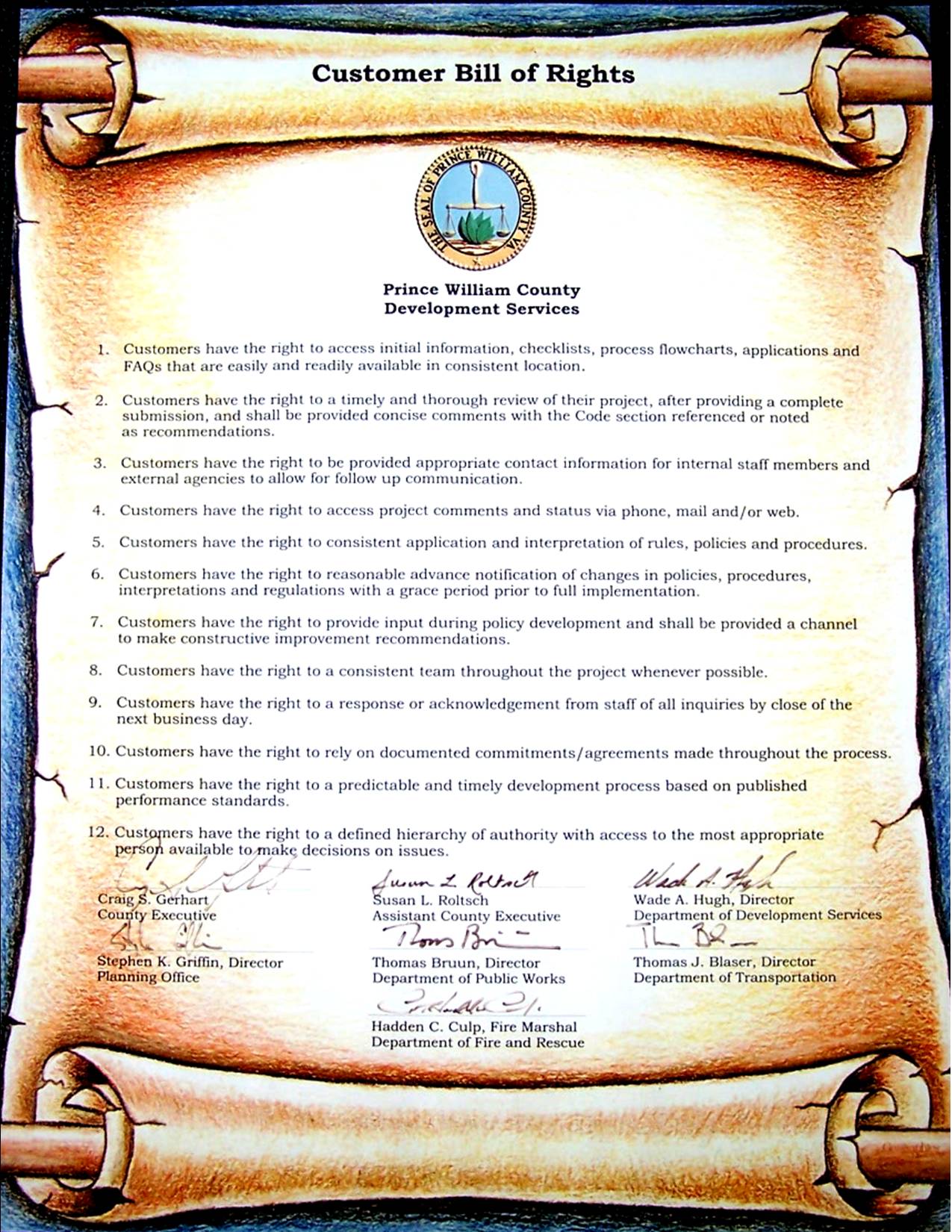 Essential Questions: -
What basic consumer rights are protected by law?
- What does it mean to be a responsible consumer?
Files you will need today:
- Consumer Complaint Letter Example
- 5.01 PPT
- 5.01 Key Terms
- 5.01 Complete HO With PPT
Rights and Responsibilities of Consumers
Consumer Rights
It is referred to as the Right to Safety and protection from hazardous goods or services.The Right to be Informed and protected against deceitful, fraudulent or information that misleads and have an access to correct information as well as facts required to go for informed choices along with decisions.The Right to Choose and have easy access to different types of products and services offered at competitive and fair prices.The Right to be heard helps to express and represent interests of consumer in the making of political and economic decisions.The Right to Redress and getting compensation for misrepresentation, unsatisfactory services or shoddy goods is important for consumers and the Right to Consumer Education helps the consumer to become informed and capable of functioning properly in the market.The Right to a Healthy Environment enhances the quality of life and give protection from environmental issues for present as well as future generations.
Consumer Responsibilities
Consumer responsibilities refer to the responsibility of having awareness of the quality and safety of goods and services while purchasing and the responsibility to collect information available about a product or service and to update oneself with changes or innovations taking place in the market. It means the responsibility to think as well as make choices independently and consider immediate needs and wants. It refers to responsibility to speak out, and to inform manufacturers and governments of needs and wants and the Responsibility to Complain or inform business along with other people about discontentment with a product or service in an honest way. There should be Responsibility of being an Ethical Consumer and be fair and not engage not in malpractices which make all consumers pay.
What Do I Do?
- Download the files above
- Complete the Consumer Rights and Responsibilities handout while watching the PPT
- Complete the Consumer Complaint Letter Handout while watching the PPT
- Prepare a consumer Complaint letter
- Start FiPF Chapter 8 Bargain Shopping
- Complete FiPF Activity
- Work to complete/improve grade in the EverFi Consumer Fraud Module
- Play 5.00-5.01 Quia Review Games
- Win the game!
- Screen capture the results
- Paste in a Word docment
- Fit to one page
- Place name, date, class and period in a header
- Print for extra credit on Elements quiz 5.01
Top
|
Bottom
Agenda for Today, October 30, 2013  Essential Questions:
- How can consumers use information from product labels and packaging?
- How can consumers use product use and care information to make smart decisions?
Files you will need today:
- Consumer Complaint Letter Example
- 5.01 PPT
- 5.02 Key Terms
- 5.01 Complete HO With PPT
Compare Consmer InformationConsumer Reports
A consumer report (for products or services) is a series of reports on various products and services utilized by consumers. The reports seek to provide consumers with a detailedanalysis of the pros and cons of a particular product or service. Consumer reports are created by evaluating individuals' experiences with a product or service. Some consumer reports take months to compose and provide consumers with a reliable source before making a purchase.
A consumer report is also a report on someone's credit history or any other personal information. It is regulated under the Fair Credit Reporting Act, and can contain a consumer's credit standing, credit capacity, credit worthiness, character or general reputation. To say that your life is an open book may be pretty close to the truth in this information age, at least when it comes to applying for a job. While you may have nothing to hide, it can still be unnerving when a prospective employer tells you that you must submit to a background check before you can officially be hired. The Fair Credit Reporting Act (FCRA) refers to a prehire screening as a "consumer report."
Mandatory Checks
Federal and state laws mandate that consumer report screenings be conducted for certain jobs. Nearly every state requires that individuals applying for positions in which they will be working with children, the elderly or the disabled submit to criminal background checks. Many state and federal government job applicants may undergo even greater scrutiny when a security clearance is required.
Inclusions
The information gathered for employment background checks can range from simply verifying a Social Security number to interviewing your neighbors as character references. A prospective employer will typically check credit reports, arrest and incarceration records and your medical, military and educational history.
Exclusions
Certain information is off limits on a consumer report. Data that should not be accessible to your future employer include a bankruptcy that's over 10 years old. Seven year reporting limitations apply to civil suits, civil judgments, records of arrest, paid tax liens and accounts turned over to collection agencies; however, these restrictions do not apply for jobs that will pay an annual salary of $75,000 or more.
Screeners
Companies that conduct employee background checks can range from conventional private investigators to online data brokers and to companies that are dedicated solely to employment screenings. The National Association of Professional Background Screeners (NAPBS) provides a list of these companies (see References). The NAPBS says it was founded in 2003 to promote ethical business practices and compliance with the Fair Credit Reporting Act.
Read more: Consumer Report-Employment
What Do I Do?
- Bell Ringer: Review Consumer Reports
- Complete Sources of Consumer Protection (5.01 Complete PPT)
- Foldable 5.01 Consumer Responsibilities & Rights (5.01 Complete PPT)
- Work to complete the EverFi Consumer Fraud Module
- Every chance you get, play 5.01 Quia Review Games
Top
|
Bottom
Agenda for Today, October 31, 2013
 What is Bargain/Discount Shopping?
Discount shopping can refer to a variety of shopping practices where people look to save money on purchases. Some shoppers only buy products if they’re on sale, and others shop at stores that regularly discount merchandise like big box stores, dollar stores, or outlet stores. Others clip coupons to save money at point of sale, and a few will look for lowest prices of items and only shop at stores that offer price matching guarantees. For those shopping on a budget, discount shopping can prove a great way to save money, especially when people strictly adhere to their budgets and don’t purchase things they don’t need, simply because they are marked down. What is Bargain/Discount Shopping?
Discount shopping can refer to a variety of shopping practices where people look to save money on purchases. Some shoppers only buy products if they’re on sale, and others shop at stores that regularly discount merchandise like big box stores, dollar stores, or outlet stores. Others clip coupons to save money at point of sale, and a few will look for lowest prices of items and only shop at stores that offer price matching guarantees. For those shopping on a budget, discount shopping can prove a great way to save money, especially when people strictly adhere to their budgets and don’t purchase things they don’t need, simply because they are marked down.
For many, getting things at a discount is a huge incentive to make purchases, and some people will purposefully wait for stores to have sales. In tight economic times, it usually isn’t necessary to wait long, since most stores need to move merchandise and will discount it quickly if it’s not being sold. Some shoppers wait for holidays or right after holidays when sales are usually best. For example Christmas shopping the day after Thanksgiving usually means getting great deals. Smart shoppers might buy things ahead of time like wrapping paper or Christmas cards for the next year if they purchase these things right after a holiday, when they are heavily reduced in price.
What Do I Do Now?
- Bell Ringer: View FiPF Chapter 8 Bargain Shopping DVD parts 1-3 complete workbook pages
Woe to those who forget to sign up for a wireless data plan from Verizon Wireless. The cell phone provider recently sent a $16,000 bill to one Hot Springs, Arkansas family for wireless data usage racked up on a daughter’s phone the family didn’t cover with a wireless data plan. Chris Brown couldn’t believe his eyes when he opened his phone bill online. Watch the Video, Click
$15,000 Cell Phone Bill We have all been there at some point. You receive a bill in the mail that just isn’t right. Or maybe you purchased a product and were less than satisfied. Knowing how to handle these situations is part of being a smart consumer. View the PPT How to Write a complaint letter - Choose one of the scenarios and ...
- Finish Consumer Complaint Letter
- Beyond Question 5.01 Study Guide & Review
- Finish EverFi Consumer Fraud Module
- Play Quia Review Games every chance you get
Top
|
Bottom
Agenda for Today, November 1, 2013 Discount/Bargain Shopping Discount/Bargain Shopping
Those who shop during holidays may not only scan paper advertisements they might receive in the mail or in newspapers, but they may search the web for the best day after Thanksgiving (called Black Friday) deals. There are websites devoted to price comparisons on Black Friday sales at various stores, so people can plan their shopping day. The practice of getting up early to shop on Black Friday has become something of a holiday tradition for many.
Discount shopping isn’t just for holidays and purchasing big ticket items. There are numerous savvy shoppers who want to save money year round. They may be particularly attracted to shopping at stores like warehouse or big box stores that offer cheaper prices on good quality goods and food supplies. Some people buy in bulk to save money, and this works well if they have storage for bulk purchases and will use them, especially food, before expiration dates occur.
Others don’t have the patience for warehouse stores or the budget to afford bulk purchases, which can mean a larger initial outlay of cash. These folks can still save money by clipping coupons and reading sales circulars for grocery stores, Some shoppers who aren’t brand conscious look for what they need at lowest prices. Whatever brand is at the best price becomes the one they purchase. Others will shop stores on double coupon days, where they get twice as much off purchases.
The Internet has added a whole new element to discount shopping for numerous items. With a swift browser, it becomes very easy to compare prices and find the best ones online. Some sites, like Amazon, will even showcase the same item available at various vendors so that people can see which vendor offers the best deal. Another thing people look for is online coupons and promotion codes, which are available on a variety of sites and may help save additional money on online purchases.
The basic premise of discount shopping is that it makes no sense to pay more for an item than necessary. If it can be purchased elsewhere at a lower cost, then there’s no point in paying a higher price. Of course, this premise has a few faults.
What Do I Do? - Bell Ringer: Finish FiPF Chapter 8 Bargain Shopping parts 4 & 5
- Complete FiPF Chapter 8 Handout Bargain Shopping handout, research each product and find the best deal for: Laptop Computer, I-Pad, I-Phone using these sites:
- Now “price shop” for the items listed on the mock grocery list on the Food for Thought handout. Compare the name brand with generic prices by listing them in the columns. (Some items might not have generic so compare it to a different brand.)
item name
measure
brand
- Take 5.01 Post-Elements Quiz
Top
|
Bottom
Agenda for Today, November 4, 2013
- Bell Ringer: Display a few sample products representing food, apparel, personal hygiene, and medicinal drug products. These may be provided by teacher or have students bring in. Provide at least one product for every two students. Have students comment on what they see, responding to these questions:
- Do you recognize any of these products?
- What types of products do you see? (food, apparel, personal hygiene, and medicines)
- Do you use any of these products?
- How do you select products to purchase in each category?
- To what extent do you rely on label/packaging information?
Have students pair up and select one product to investigate. Allow 3 minutes for them to see how much new information they can learn about the product from label and packaging.
Share highlights of findings with the class. Discuss. Comment that in this objective we will take a closer look at types of helpful consumer information found on labels and packages of food, apparel, personal hygiene, and medicinal drug products. Prepare a poster to show what they learned about a pair of products compared in class. Challenge students to select most significant information revealed by the comparison. Or, permit students to select another pair of products that were NOT yet compared. Encourage students to use their creative ideas to emphasize findings in an original way, to be brief and focused, and not to try to express everything known about the products.
Display posters around the classroom to prepare for a Gallery Walk. As students move around the room, have them record notes on a note card about one product comparison and how this information will affect their personal shopping decisions in future.
After the Gallery Walk, allow time for class discussion of the posters and to ask and answer questions. Have students turn in their note cards as their ticket out the door at the end of class.
Personal Finance Week #9, 2013 Announcements - Senior Makeup Pictures are this Friday, October 18th. The times are posted on the blue doors outside of the Main Office
- October 25, 2013 End of 1st Grading Period
- November 7, 2013 Early Release-Parent Conferences
Top
|
Bottom
Agenda for Today, October 21, 2013Consumer Awareness Essential Questions: What services are provided by various types of financial institutions?
What forms of payment may be used for purchases?
 Making wise consumer decisions is an important skill when managing personal and family finances. Today’s marketplace can be overwhelming with numerous options of products to purchase and a large variety of features and quality differences within those products. Consumers often become overwhelmed which may cause impulse buying, or unplanned buying, where little consideration of the product occurs. Impulse buying often fills an individual’s need for immediate gratification. It is considered “emotional buying” instead of “rational buying.” Comparison shopping,
however, includes careful consideration and evaluation of the product’s features, price and quality. Comparison shopping allows individuals to purchase the same product or service for less money, buy more goods and services with the same amount of money, or buy a better quality product for the same amount of money, increasing their long-term satisfaction with the product.
Regardless of the item a person is planning to purchase, being in the habit of comparison shopping before buying enables individuals to get more for their money. Expensive items such as a house or automobile requires an extensive
amount of comparison compared to a less expensive item such as a portable DVD player. Regardless of the price, the same basic steps should be followed. - Bell Ringer: Take this quiz Reading Clothing Labels quiz, then...
- Reading Food Labels Quiz then...
- Take until you get a 100! then Screen capture and paste the results into a Word document, Save
- Download this PowerPoint Comparison Shopping to complete the 2.2.1.L1 Comparison Shopping and The Price Is Right Note Taking Guide Handout
- View the PowerPoint Basic Shopping Options & Practices while you complete the second handout
- Use Word synonym feature or dictionary.com to complete the key terms handout
- Play Quia Activity Review Games every chance you get (PF 5.01, 5.02, 6.01, 7.04).
- Be sure you have completed the EverFi Consumer Fraud Module
- Be sure you have taken these Elements Post-quizzes by the end of the week
- Click https://elements.schools.nc.gov/person/taketestsignin.htm to take the post-quiz.7.04
- Test ID 2nd Period Personal Finance for Post Quiz 7.04 is: 716543083
- Test ID for 4th Period Personal Finance for Post Quiz 7.04 is: 717073083
- Student ID: Your Lunch Number
- Work daily in EverFi Consumer Fraud
Top
|
Bottom
Agenda for Today, October 22, 2013

Credit Bureaus & Collection Agencies Essential Questions: What are the types of credit? *How does one establish, shop for, and maintain good credit?
Collection agencies are responsible for collecting unpaid debts that an original lender has either been unable to collect or has given up on collecting. Often these companies buy unpaid debt from lenders at a wholesale value (usually at a drastically lower price than the dollar amount owed) and attempt to make a profit by collecting the debt in full from the borrower. A consumer should know the laws--especially those concerning reporting to credit bureaus--in order to remain informed if he or she ever faces collection calls. Have a question? Get an answer from a Personal Finance Professional now!
Time Frame
Collection agencies are required to notify delinquent account holders that in fact a collection agency is attempting to collect a debt. This is normally handled with a certified letter sent to the borrower in question. After this letter is sent out, the borrower has a maximum of 60 days to settle the debt before the information is reported to the bureaus. Most collection agencies will request a response with payment within 30 days (and it is recommended to pay as soon as possible after you've confirmed the debt), but legally you have 60 days to pay or work out an arrangement with the collection agency before the debt is reported to the credit bureaus.
Type of Reporting
Collection agencies report delinquent accounts as "judgments." This is handled with credit bureau-speak--that is, a code is used to classify a dollar amount on a credit report. There are many different codes used to describe delinquent accounts, but common classifications are: account over 120 days past due, charged-off account, and account 360 days past due.
Considerations
While customers have a window of opportunity to settle a debt with a collection agency before it's reported to the three credit bureaus (Equifax, Experian and TransUnion), it's important to understand that any account that has been purchased by a collection agency is most likely already reported as a bad debt on the credit report. Most credit accounts are tracked and reported by lenders, so any account that the lender deemed "uncollectable" will show a negative history of non-payment.
Effects
The effect of a negative report from a collection agency is major. Any judgment listed on a consumer's credit report drops a FICO score considerably. Further, the FCRA (Fair Credit Reporting Act) allows for all judgments (including paid or settled judgments) to remain on a credit report for a period of seven years. Thus, a credit score will be impacted for an extended period of time if a collection agency reports a bad debt.
Warning
It's important to tread carefully when dealing with collection agencies. Some agencies will use scare tactics and intimidation to get borrowers to pay their debts. Informed consumers will verify bad debts, and attempt to rectify an error on a credit report with great haste.
Read more: When Do Collection Agencies Report to the Credit Bureau?
What Do I Do?
- Bell Ringer: View and listen FiPF Chapter 6 Vocabulary Terms
- View Chapter 5 DVD parts 1, 2, &3
- Complete What Do you know about credit bureaus and collections practices?
- Watch the video completing all blanks and reading all sidebars, Q&As, and More Info
- Complete the Reading Credit Scores Handout
Top
|
Bottom
Agenda for Today, October 23, 2013Credit Scores
A credit score is a numerical expression based on a level analysis of a person's credit files, to represent the creditworthiness of that person. A credit score is primarily based on credit report information typically sourced from credit bureaus.
Lenders, such as banks and credit card companies, use credit scores to evaluate the potential risk posed by lending money to consumers and to mitigate losses due to bad debt. Lenders use credit scores to determine who qualifies for a loan, at what interest rate, and what credit limits. Lenders also use credit scores to determine which customers are likely to bring in the most revenue. The use of credit or identity scoring prior to authorizing access or granting credit is an implementation of a trusted system.
Credit scoring is not limited to banks. Other organizations, such as mobile phone companies, insurance companies, landlords, and government departments employ the same techniques. Credit scoring also has a lot of overlap with data mining, which uses many similar techniques. These techniques combine thousands of factors but they are more or less similar or the same.
Want to know your score? Click https://www.creditkarma.com/
What Do I Do? - Bell Ringer: Complete Before You Begin: What do you know about credit bureaus and collection practices?
- View Parts 1 and 2 of Chapter 6
- Start the EverFi Credit Score, Consumer Fraud, Payments, Interests Rates & Credit Cards, Financing Higher Education, Investing, Saving
- Improve grades in EverFi if you have already completed it
- Play Quia review games every chance you get
Agenda for Today, October 24, 2013Top
|
Bottom Credit Bureaus & Collection Practices
How do I correct inaccuracies on a credit report
Credit can affect many aspects of an individual's life, including the ability to get loans, open a checking account and to be eligible for a mortgage. By law, as stated by the Federal Trade Commission, you have the right to a free annual credit report. Consumer credit is reported through the three major credit bureaus: Equivax, Experian and TransUnion. These companies also offer various offer services for consumers.
Equifax
Equifax is one of three major credit bureaus that provides customers with access to their credit report at their website (see Resources). Customers accessing it can either take advantage of the free credit report or subscribe to one of their various products. They offer identity theft protection that sends you an alert when a potential case of fraud occurs on your report. The customer can also purchase a report that includes Equifax, Experian and TransUnion along with a credit score (see Resources). An individual can also contact Equifax through the customer service section on their site or at the following contact information:
Equifax Credit Information Services Inc.
P.O. Box 740241
Atlanta, GA 30374
888-766-0008
Experian
Experian is another of the major credit bureaus. They offer consumers personal and small business services . For the individual, they can keep track of their credit through a subscription service that protects their identity, offers a comprehensive report and a score from all three bureaus and a credit check. Experian also offers educational opportunities for consumers on managing their credit and learning to recognize credit fraud. They can also file a dispute through the website if an error appears on the report. Small businesses can use Experian services to check customer credit scores and to monitor their own business credit. Consumers can also contact the company at 888-397-3742.
TransUnion
TransUnion (see Resources) is the last of the three major credit bureaus. Consumers can access the website to dispute credit report errors and education on credit. For consumer education, TransUnion has videos that cover various topics. There are also services offered for identity theft protection and credit monitoring on a subscription basis. They can also download a mail-order form at the same link and send it to the following address for a free annual credit report:
Annual Credit Report Request Service
P.O. Box 105281
Atlanta, GA 30348-5281
800-888-421
Read more: Three Credit Bureaus
What Do I Do?
- Bell Ringer: Reading Credit Scores Handout.
- View Parts 3 & 4 of Credit Bureaus and Collection Practices
- Be sure you have finished EverFi-Payments, Interests Rates & Credit Cards
- Play Quia Activity Review Games every chance you get (PF 5.01, 5.02, 6.01, 7.04).
Top
|
Bottom
Agenda for Today, October 25, 2013Credit Bureaus & Collection Practices
 Essential Question: What are the types of credit?
*How does one establish, shop for, and maintain good credit?
What Is Credit?
• Obtaining goods and services with a promise to pay for them from future income
• A temporary money substitute since it allows a person to buy today and pay tomorrow
• Credit involves two parties, a lender and a borrower
Types of Consumer Credit
• Sales credit-credit to purchase goods and services from retailers
Regular charge account
Installment account
Revolving credit account
• Cash credit-money granted to use for a variety of purposes; may be secured or unsecured; may be installment, single-payment, or credit card/check credit loans
Unsecured loans-Require borrower’s signature as evidence of agreement with terms of the loan
No collateral required-Generally available for borrowers with a good credit history
Secured loans-Require some form of collateral (property) to secure the loan
Collateral reduces lender’s risk; can take property if the borrower does not repay
A cosigner can sign the loan if a borrower has neither collateral nor good credit
Cosigner typically has good credit and agrees to pay if borrower fails to repay
Types of cash credit
Installment loans
Single-payment loans
Credit card/check credit loans
Company or retail store credit card loan
Travel and entertainment credit card loan
General-purpose credit card loan
Advantages and Disadvantages of Using Credit
Establishing Credit
• Creditors only lend to people who can be expected to pay them back
• Creditors look at credit-related information to determine if one is a good risk
• A creditor’s evaluation of one’s ability and willingness to repay debts is a credit rating
• Credit ratings are based on 3 Cs
- Character---a person’s reputation for being honest and their financial history
- Capacity---a person’s employment history and ability to earn money
- Capital---a person’s financial worth
• Ways to establish credit
Loan Sources
• Preferred lenders; Most reliable lenders; Examples: banks, credit unions, savings and loan associations, consumer finance companies, insurance policy loans, credit card companies, private loans
• Non-preferred lenders; May take advantage of people with poor credit; typically charge high interest rates; Examples: “payday” lenders, pawnbrokers, loan sharks, auto title loan lenders, tax refund loan
Considerations When Shopping for Credit
• Conditions of loans
Annual fees
Annual percentage rate (APR)---the amount and whether it changes
Method used to calculate interest
Minimum payment
Grace period
Minimum finance charge and other fees
Credit limit
Special features and services
• Cautions when seeking loans
Always “read the fine print” and know the terms of loans before signing
Consider if this would be wise or unwise use of credit
Remember that, once signed, borrowers are bound by the terms of the agreement
Consumers can apply for loans in person, online, over the telephone or in writing
Typically, provide information about income, employment history, residence, credit history
The lender will likely run a credit check.
If approved, borrowers may have right to rescission (cancel) within three days if they choose; a provision of the Truth in Lending Act
Maintaining Good Credit
• Evaluate the need to borrow. Can the purchase be avoided, delayed or bought on lay-away?
• Identify and use the right type of credit for the intended purchase and shop for the best terms
• Know how you will pay it back before you borrow
• Only use the amount of credit that you can afford to repay
• Meet all the terms of credit contracts and agreements
• Keep accurate records of charges, statements, and payments
• Consult creditors immediately if you cannot pay on time
• Resolve billing errors promptly
Credit Reports
• A credit report is like a report card reflecting how well a person has used credit resources
• Credit reporting agencies maintain records on how people manage their credit accounts
• Equifax, Experian, and TransUnion are three national credit-reporting agencies
• Contains information about employment history, credit accounts, balances, payment patterns
• Consumers should check each of the three credit reports annually to verify accuracy
• The Fair Credit Reporting Act---can get a free copy of credit reports every 12 months
• The FTC site http://www.ftc.gov/freereports explains how to obtain the free reports
Signs of a Debt Problem
• Consumers find themselves stressed and constantly worrying over their finances
• Having no savings
• Having reached the credit limit on most of their credit cards
• Skipping payments on some bills in order to pay others
• Using cash advances on one credit card to pay another
• Relying on credit cards to purchase day-to-day items like groceries and fast food
• Relying on credit cards to pay monthly bills
• Opening new credit card accounts in response to reaching the credit limit on others
• Regularly receiving contacts from creditors/collection agencies trying to collect unpaid debts
Strategies For Getting Out of Debt
• Actively deal with the problem; ignoring it will only make it worse
• Stop using credit; focus on repaying the debt owed
• Get help from trained people---a credit counselor or credit counseling service
• Develop a spending plan that includes living expenses and debt repayment funds.
• Contact creditors immediately, let them know your situation, ask to have credit terms adjusted
Bankruptcy, a Last Resort
• Legal relief or forgiveness from repaying certain debt
• Try to deal with debts using all means available before filing for bankruptcy
• Bankruptcy carries serious, long-term consequences---part of one’s credit report for ten years
• Chapter 7---must sell certain personal belongings, use proceeds to repay debts
Chapter 13---can retain most personal property, but must propose a repayment plan, go to credit counseling, receive financial management education, and be employed
What Do I Do?
- Bell Ringer: Complete Credit Bureaus and Collection Practices Parts 5 & 6 FiPF workbook
- Listen to the video segment, completing the workbook as you listen (Parts 5-6)
- Make-up any unfinished work
Personal Finance Week #8, 2013 Announcements - Senior Makeup Pictures are this Friday, October 18th. The times are posted on the blue doors outside of the Main Office
- October 25, 2013 End of 1st Grading Period
- November 7, 2013 Early Release-Parent Conferences
Top
|
Bottom
Consumer Awareness Special Assignment: What do you know about the Governmental Shutdown? Obama-Care?View these videos:- Sunday, October 6, 2013
Hip Hughes Explains Government Shutdown
- We Help You Understand the Affordable Care Act
- Now take about 15 minutes to check out the Government Shutdown and Obama-care
- Go to your school email account to comment on a Shared document what you found out about these topics
Agenda for Today, October 14, 2013Consumer Awareness Essential Questions: What services are provided by various types of financial institutions?
What forms of payment may be used for purchases?

Consumer awareness is about making the consumer aware of his/her rights. It is a marketing term which means that consumers are aware of products or services, its characteristics and the other marketing P’s (place to buy, price, and promotion). Though the first consumer movement began in England after the Second World War, a modern declaration about consumer’s rights was first made in the United States of America in 1962, where four basic consumer rights (choice, information, safety and to be heard ) were recognized. Ralph Nadar, a consumer activist, is considered as the father of ‘consumer movement’. March 15 is now celebrated as the World Consumer Rights Day. The United Nations in 1985 adopted, , certain guidelines to achieve the objectives of maintaining protection for consumers and to establish high level ethical conduct for those engaged in production and distribution of goods and services.
High prices, duplicate articles, underweight and under – measurements, rough behavior, undue conditions, artificial scarcity are some of the ways by which consumers are exploited by manufacturers and traders. Limited information, limited supplies and low literacy are factors causing exploitation of consumers.
What Do I Do? - Bell Ringer: Turn-in your Drive Free Retire Rich handout along with the printout of your cars
- Be sure you have taken Elements Post-quiz Complete these pre-quizzes If these links do not work, click the Bottom link and click the quiz name under My quizzes, activities, and surveys below
- EverFi
- Savings
- Investing
- Financing Higher Education and Play these Games
- High School
- College
- Post-College
- Make-up Work
- Play Quia review games every chance you get
Top
|
Bottom
Agenda for Today, October 15, 2013
Consumer Awareness Essential Questions: What services are provided by various types of financial institutions?
What forms of payment may be used for purchases?
One of the objectives of consumer awareness is protection. It is the responsibility of the producer of the goods or services to conduct extensive research into a product or service, analyze the results and evaluate it in relation to consumer needs and satisfaction. Customer welfare needs to be considered; no product should reach the shelves unless has been clinically tested and proven safe for use. The necessary federal or state government authority approvals should be received prior to launching any new product that has the potential to cause harm to consumers.
Choice
The market is constantly being flooded with new products and services, making it difficult for consumers to choose the right products and services. Consumer awareness is about asking questions, to learn the specifics of a product or service. It is about comparing products and services from different sellers to learn more information. It is about having the freedom to choose what best suits consumer needs and will not harm the consumer.
Information
A major part of customer awareness lies in being an informed customer. News reports of studies that were apparently conducted, does not necessarily lend authority to the data and make it true. Sampling methods used to gather data tend to be biased in one way or another, or may not be a true reflection of the facts. Information presented to customers about goods and services needs to be reliable and accurate. Customer awareness is about questioning the source of the data rather than blindly accepting someone else's word.
Consumer Rights
Consumers are not without rights and consumer awareness is about advancing these rights. The Federal Trade Commission Bureau of Consumer Protection advances fairness for all in the marketplace. Consumers do not have to silently accept substandard quality products, poor service, billing errors, late deliveries and unordered merchandise. Consumers have the right to speak up and voice their dissatisfaction. If problems cannot be resolved with the seller, they can seek recourse from state and local consumer protection offices.
Read more: Consumer Awareness
What Do I Do?
- Bell Ringer: View Chapter 5 DVD parts 4 & 5
- Complete Matching, True/False, and Want or Need pages 70-71 of your workbook
- Read all the side bars and Q & A's
- Be sure you have taken Elements Post-quiz
- 4.02 Click https://elements.schools.nc.gov/person/taketestsignin.htm to take the post-quiz.
- Test ID 2nd Period Personal Finance for Post Quiz 4.02 is: 716543018
- Test ID for 4th Period Personal Finance for Post Quiz 4.02 is: 717073018
- Student ID: Your Lunch Number
- Work daily in EverFi Consumer Fraud
- Play Quia Activity Review Games every chance you get (PF 5.01, 5.02, 6.01, 7.04).
Top
|
Bottom
Agenda for Today, October 16, 2013Credit Scores
A credit score is a numerical expression based on a level analysis of a person's credit files, to represent the creditworthiness of that person. A credit score is primarily based on credit report information typically sourced from credit bureaus.
Lenders, such as banks and credit card companies, use credit scores to evaluate the potential risk posed by lending money to consumers and to mitigate losses due to bad debt. Lenders use credit scores to determine who qualifies for a loan, at what interest rate, and what credit limits. Lenders also use credit scores to determine which customers are likely to bring in the most revenue. The use of credit or identity scoring prior to authorizing access or granting credit is an implementation of a trusted system.
Credit scoring is not limited to banks. Other organizations, such as mobile phone companies, insurance companies, landlords, and government departments employ the same techniques. Credit scoring also has a lot of overlap with data mining, which uses many similar techniques. These techniques combine thousands of factors but they are more or less similar or the same.
Want to know your score? Click https://www.creditkarma.com/
What Do I Do? - Bell Ringer: Complete Before You Begin: What do you know about credit bureaus and collection practices?
- View Parts 1 and 2 of Chapter 6
- Start the EverFi Payments, Interests Rates & Credit Cards
- Improve grades in EverFi if you have already completed it
- Play Quia review games every chance you get
- Be sure you have taken Elements Post-quiz
- 7.02 Click https://elements.schools.nc.gov/person/taketestsignin.htm to take the post-quiz.
- Test ID 2nd Period Personal Finance for Post Quiz 7.02 is: 716542872
- Test ID for 4th Period Personal Finance for Post Quiz 7.02 is: 717072872
- Student ID: Your Lunch Number
Agenda for Today, October 17, 2013Top
|
Bottom Credit Bureaus & Collection Practices
How do I correct inaccuracies on a credit report
Credit can affect many aspects of an individual's life, including the ability to get loans, open a checking account and to be eligible for a mortgage. By law, as stated by the Federal Trade Commission, you have the right to a free annual credit report. Consumer credit is reported through the three major credit bureaus: Equivax, Experian and TransUnion. These companies also offer various offer services for consumers.
Equifax
Equifax is one of three major credit bureaus that provides customers with access to their credit report at their website (see Resources). Customers accessing it can either take advantage of the free credit report or subscribe to one of their various products. They offer identity theft protection that sends you an alert when a potential case of fraud occurs on your report. The customer can also purchase a report that includes Equifax, Experian and TransUnion along with a credit score (see Resources). An individual can also contact Equifax through the customer service section on their site or at the following contact information:
Equifax Credit Information Services Inc.
P.O. Box 740241
Atlanta, GA 30374
888-766-0008
Experian
Experian is another of the major credit bureaus. They offer consumers personal and small business services . For the individual, they can keep track of their credit through a subscription service that protects their identity, offers a comprehensive report and a score from all three bureaus and a credit check. Experian also offers educational opportunities for consumers on managing their credit and learning to recognize credit fraud. They can also file a dispute through the website if an error appears on the report. Small businesses can use Experian services to check customer credit scores and to monitor their own business credit. Consumers can also contact the company at 888-397-3742.
TransUnion
TransUnion (see Resources) is the last of the three major credit bureaus. Consumers can access the website to dispute credit report errors and education on credit. For consumer education, TransUnion has videos that cover various topics. There are also services offered for identity theft protection and credit monitoring on a subscription basis. They can also download a mail-order form at the same link and send it to the following address for a free annual credit report:
Annual Credit Report Request Service
P.O. Box 105281
Atlanta, GA 30348-5281
800-888-421
Read more: Three Credit Bureaus
What Do I Do?
- Bell Ringer: Reading Credit Scores Handout.
- View Parts 3 & 4 of Credit Bureaus and Collection Practices
- Be sure you have finished EverFi-Payments, Interests Rates & Credit Cards
- Play Quia Activity Review Games every chance you get (PF 5.01, 5.02, 6.01, 7.04).
Top
|
Bottom
Agenda for Today, October 18, 2013Credit Bureaus & Collection Practices
Essential Question: What are the types of credit?
*How does one establish, shop for, and maintain good credit?
What Is Credit?
• Obtaining goods and services with a promise to pay for them from future income
• A temporary money substitute since it allows a person to buy today and pay tomorrow
• Credit involves two parties, a lender and a borrower
Types of Consumer Credit
• Sales credit-credit to purchase goods and services from retailers
Regular charge account
Installment account
Revolving credit account
• Cash credit-money granted to use for a variety of purposes; may be secured or unsecured; may be installment, single-payment, or credit card/check credit loans
Unsecured loans
Require borrower’s signature as evidence of agreement with terms of the loan
No collateral required
Generally available for borrowers with a good credit history
Secured loans
Require some form of collateral (property) to secure the loan
Collateral reduces lender’s risk; can take property if the borrower does not repay
A cosigner can sign the loan if a borrower has neither collateral nor good credit
Cosigner typically has good credit and agrees to pay if borrower fails to repay
Types of cash credit
Installment loans
Single-payment loans
Credit card/check credit loans
Company or retail store credit card loan
Travel and entertainment credit card loan
General-purpose credit card loan
Advantages and Disadvantages of Using Credit
Establishing Credit
• Creditors only lend to people who can be expected to pay them back
• Creditors look at credit-related information to determine if one is a good risk
• A creditor’s evaluation of one’s ability and willingness to repay debts is a credit rating
• Credit ratings are based on 3 Cs
Character---a person’s reputation for being honest and their financial history
Capacity---a person’s employment history and ability to earn money
Capital---a person’s financial worth
• Ways to establish credit
Loan Sources
• Preferred lenders
Most reliable lenders
Examples: banks, credit unions, savings and loan associations, consumer finance companies, insurance policy loans, credit card companies, private loans
• Non-preferred lenders
May take advantage of people with poor credit; typically charge high interest rates
Examples: “payday” lenders, pawnbrokers, loan sharks, auto title loan lenders, tax refund loan
Considerations When Shopping for Credit
• Conditions of loans
Annual fees
Annual percentage rate (APR)---the amount and whether it changes
Method used to calculate interest
Minimum payment
Grace period
Minimum finance charge and other fees
Credit limit
Special features and services
• Cautions when seeking loans
Always “read the fine print” and know the terms of loans before signing
Consider if this would be wise or unwise use of credit
Remember that, once signed, borrowers are bound by the terms of the agreement
Consumers can apply for loans in person, online, over the telephone or in writing
Typically, provide information about income, employment history, residence, credit history
The lender will likely run a credit check.
If approved, borrowers may have right to rescission (cancel) within three days if they choose; a provision of the Truth in Lending Act
Maintaining Good Credit
• Evaluate the need to borrow. Can the purchase be avoided, delayed or bought on lay-away?
• Identify and use the right type of credit for the intended purchase and shop for the best terms
• Know how you will pay it back before you borrow
• Only use the amount of credit that you can afford to repay
• Meet all the terms of credit contracts and agreements
• Keep accurate records of charges, statements, and payments
• Consult creditors immediately if you cannot pay on time
• Resolve billing errors promptly
Credit Reports
• A credit report is like a report card reflecting how well a person has used credit resources
• Credit reporting agencies maintain records on how people manage their credit accounts
• Equifax, Experian, and TransUnion are three national credit-reporting agencies
• Contains information about employment history, credit accounts, balances, payment patterns
• Consumers should check each of the three credit reports annually to verify accuracy
• The Fair Credit Reporting Act---can get a free copy of credit reports every 12 months
• The FTC site http://www.ftc.gov/freereports explains how to obtain the free reports
Signs of a Debt Problem
• Consumers find themselves stressed and constantly worrying over their finances
• Having no savings
• Having reached the credit limit on most of their credit cards
• Skipping payments on some bills in order to pay others
• Using cash advances on one credit card to pay another
• Relying on credit cards to purchase day-to-day items like groceries and fast food
• Relying on credit cards to pay monthly bills
• Opening new credit card accounts in response to reaching the credit limit on others
• Regularly receiving contacts from creditors/collection agencies trying to collect unpaid debts
Strategies For Getting Out of Debt
• Actively deal with the problem; ignoring it will only make it worse
• Stop using credit; focus on repaying the debt owed
• Get help from trained people---a credit counselor or credit counseling service
• Develop a spending plan that includes living expenses and debt repayment funds.
• Contact creditors immediately, let them know your situation, ask to have credit terms adjusted
Bankruptcy, a Last Resort
• Legal relief or forgiveness from repaying certain debt
• Try to deal with debts using all means available before filing for bankruptcy
• Bankruptcy carries serious, long-term consequences---part of one’s credit report for ten years
• Chapter 7---must sell certain personal belongings, use proceeds to repay debts
Chapter 13---can retain most personal property, but must propose a repayment plan, go to credit counseling, receive financial management education, and be employed
What Do I Do?
- Bell Ringer: Complete Credit Bureaus and Collection Practices Parts 5 & 6 FiPF workbook
- Listen to the video segment, completing the workbook as you listen (Parts 5-6)
- Make-up any unfinished work
Personal Finance Week #7, 2013 Announcements - October 25, 2013 End of 1st Grading Period
- November 7, 2013 Early Release-Parent Conferences
Top
|
Bottom
Agenda for Today, October 7, 2013Drive Free, Retire Rich

How many times have you heard or said, "I'll always have a car payment"? That's the normal way of thinking. But normal is broke. We want to be WEIRD! To get new results, you have to try new things.
So think about this:
- What if you decided to stop messing with car payments?
- What if you invested that old car payment every month instead of giving it away to the bank?
- What if we showed you a six-year plan that would put you in free cars for the rest of your life?
- What if that plan also made you a millionaire?
Interested? Watch the video below to learn how to drive free and retire rich!
View this Video: Drive Free, Retire Rich
What Do I Do? - Bell Ringer: Each one review and discuss Chapter 4 Dangers of Debt Myths 1 through 15
- For the Drive Free Retire Rich handout
- Find your first car using these sites:
Kelly Blue Book
CarMax
Best Car Finder.com - Start Word and put your name, date, class, and period in the header
- Title the document Drive Free Retire Rich
- Paste a picture of the first, second, and third car
- Record the information on your handout
- Print your cars attach to handout and submit
- Be sure you have completed: FiPF Chapter 4 Dangers of Debt
- Matching/True-False
- Short Answer in your book
- Drive Free, Retire Rich Handout
View the video and complete the Drive Free Handout - Take the 8.01 Elements post quiz
- PF 2nd Test ID: 713382906
- FiPF Chapter 2 Investing
- MC/Matching
- Short Answer
- Case Study #31, #32 or #33 of your choice in an email to me and a classmate
- Investment Scavenger Hunt Handout
- FiPF Chapter 3 Wealth Building and College Savings
- MC/Matching
- Short Answer
- The Rule of 72 Simple Formula. Big Rewards
- EverFi
- Savings
- Investing
- Financing Higher Education and Play these Games
- High School
- College
- Post-College
- Make-up Work
- Play Quia review games every chance you get
- Take the Quia pre-quiz Unit D 8.02 Personal Financial Planning
Top
|
Bottom
Agenda for Today, October 8, 2013

Wealth Building and College Savings
Wealth Building Strategies
View 5 Core Steps to Wealth Building
Building wealth is an essential part of gaining financial independence and being able to retire the way you want to. With all the investment and savings options available it can be difficult to decide how to spend and save money. Learning some financial strategies will help you build wealth over time.
Debt
Many people don't fully understand how debt impacts their long-term wealth prospects. Some believe that all debts should be paid off as fast as possible to give more time to start saving money debt-free, while others tend to make minimum payments on debt and save money at the same time.
In practice, debts are best paid off as fast as possible if the interest rate on the debts is higher than the return you could get if you put the money toward a different investment. For instance, if you had a debt that was at a 5 percent interest rate, but you could save your money in a CD at a bank for 5.5 percent, you should not pay off the debt quickly because you could use the money that you would have spent to pay off the debt to invest in the CD. In general, credit card debts should be paid off as quickly as possible to build wealth because they usually have very high interest rates that far outpace any alternative returns.
Another thing to consider is that paying off debt is a guaranteed return on your investment--as soon as you pay down debt, you reduce principle and will pay less in interest. Investing in the stock market might carry a chance for a 10 percent return over a year, but it can also lead to a 5 percent return, or even a 10 percent loss. In other words, it is a bit of a gamble. Paying off high-interest debt is a sure thing.
Read more: Wealth Building Strategies
What Do I Do?
- Bell Ringer: Complete Before You Begin on page 32 of your workbook
- View the Chapter 3 Wealth Building and College Savings videos completing the chapter activities
- Read all the side bars and Q & A's
- Complete the Matching and Multiple Choice questions in the workbook
- Complete the Short Answer and Case Studies in a Word Document
- Go to EverFi and start Financing Higher Education
- Play Quia Activity Review Games every chance you get (PF 1.02, 4.02, 8.02).
Top
|
Bottom
Agenda for Today, October 9, 2013Funding Higher Education How long will it take my money to double?
What is the Rule of 72?

These days, everyone knows that college is expensive. And everyone has their own idea of how to fix it. When it comes to higher education finance, we’ve become a nation of backseat drivers.
Allow me to drive in the backseat here. College is expensive, and the government’s attempt to help make college more affordable for students has likely driven up prices even more. But there is a solution: Rather than remove itself from higher education, as many libertarian economists have suggested, we actually need — and want — the government to play a larger and more prominent role.
Higher education prices have risen far faster than other prices in the economy: across all institutions, undergraduate tuition, fees, and living expenses more than doubled in inflation-adjusted dollars. At private nonprofit four year schools, tuition and fees have nearly tripled compared to 40 years ago, while at four year public schools costs have almost quadrupled over the same time frame. Public two-year schools, which experienced a huge drop-off in state funding in the wake of the recession (and where most of the higher education in this country takes place), have seen tuition and fees grow nearly 50% in the last decade. Bloomberg estimates that the price of college has increased twice as much as that of medical care since 1978. In short, college has become more expensive – and the price continues to increase.
The reasons for the unstoppable growth in price are many. These include increasing demand for college among students, systemic incentives that encourage colleges to spend money and raise tuition, declining state subsidies in the last few years, increases in “merit aid”, financialization, and the college costs arms race that encourages schools to try to use resources in socially unproductive ways.
What Do I Do? - Bell Ringer: Rule of 72 Handout-- Wealth Building and College Savings Rule of 72 Calculator
- Start the EverFi Games
- High School
- College
- Post College
- Start EverFi Financing Higher Education
- EverFi Investment Module (improve grade) if you have already completed it
- Take the 8.01 Elements post quiz
- PF 2nd Test ID: 716542906
- PF 4th Test ID: 713422906
- Click this URL Elements Login to take the 8.01 Savings & Investing Quiz Elements Post-Quiz
- Take the Pre-test for our next objective Unit D 8.02 Personal Financial Planning
- Make-up Work
- Play Quia review games every chance you get
Take time to view these links;
Whitleblower-Mislead by College Recruiters
Relationship of Work Ethic & Wealth
Agenda for Today, October 10, 2013Top
|
Bottom Dangers of Debt
How do people get into debt?
What is the difference between debit and credit cards?

Debt helps people make purchases they could not otherwise afford by allowing people to pay items off with small monthly payments that include the price of the item as well as interest. Types of debt include secured loans such as mortgages and auto loans, unsecured loans such as personal loans, student loans, credit cards and lines of credit and debts from taxes, legal fees and medical expenses. Although debt can be helpful in many cases, it can also become a burden and a hazard to your financial and personal well-being. Have a question? Get an answer from a Personal Finance Professional now!
Falling Behind
If you start falling behind on your debts, you may find that it is difficult to catch up. This is because you dig a deeper hole every month as interest and possible late fees add up. If you fall behind on payments for secured debts, the creditor may repossess the property. Late payments and increasing balances also show up on your credit report, which lowers your credit score.
Limited Credit
Having too much debt can affect how future creditors do business with you. Lenders want to ensure you have enough money to pay them back, but if you are already carrying a large debt load, the chances of the lender being able to count on you to make consistent payments goes down. High amounts of debt may result in higher interest rates, lower credit limits and loan amounts or outright denial of credit applications.
Credit Score
The Fair Isaac Corporation, which provides FICO credit scores for people's credit reports, states that 30 percent of credit scores depends on the amount of debt on the report. Since creditors report the credit limit, current balance, and payment history to credit reporting agencies, having late payments, high balances or multiple credit accounts with balances will cause your score to drop.
Health Problems
According to MSNBC, the stress of debt can also cause health problems in the form of head and body aches, ulcers and heart problems. People with large amounts of debt also report an increase in mental and emotional issues such as depression, anger and sleeplessness.
Read more: What Are the Dangers of Debt
What Do I Do?
- Bell Ringer: You have completed Chapter 4 Dangers of Debt videos completing the chapter activities, today you will take pre-quizzes to see how much you know for upcoming objectives. Click to take these pre-quizzes
- Play Quia Activity Review Games every chance you get (PF 1.01, 2.02, 4.02, 7.02).
Top
|
Bottom
Agenda for Today, October 11, 2013Consumer Awareness
 Essential Question: How aware are you of the marketing goes on all around you every day?
Threats to personal and family financial security come from within consumers and without. Threats from within are the result of consumers behaviors that lead to financial problems. These are often the result of lack of knowledge. Threats from without are the result of deceitful, sometimes even fraudulent, scams and schemes designed to manipulate or trick consumers in ways that lead to financial loss.
Types of consumer behaviors that can lead to financial losses
Essential Question: How aware are you of the marketing goes on all around you every day?
Threats to personal and family financial security come from within consumers and without. Threats from within are the result of consumers behaviors that lead to financial problems. These are often the result of lack of knowledge. Threats from without are the result of deceitful, sometimes even fraudulent, scams and schemes designed to manipulate or trick consumers in ways that lead to financial loss.
Types of consumer behaviors that can lead to financial losses
What Do I Do?
- Bell Ringer: Complete Before You Begin on page 66 of your FiPF workbook
- Listen to the video segment, completing the workbook as you listen (Parts 1-3)
- Read the Newsflash above, Now complete 2.02D Newsflash: Beware of Scams and Schemes, Follow the directions on your handout
- Now complete 2.02D Newsflash: Example of a Scam or Scheme
- Study with the Quia games as often as you can
Personal Finance Week #6, 2013 Announcements - October 1-10th Grade PLAN Test Inventory
- October 2-3 10th Grade PLAN Testing 1st & 2nd Periods
- October 25, 2013 End of 1st Grading Period
- November 7, 2013 Early Release-Parent Conferences
Top
|
Bottom
Agenda for Today, September 30, 2013No School For Students Teacher Professional Development These grades need to be made-up by Friday, October 4, 2013:
Top
|
Bottom
Agenda for Today, October 1, 2013
Wealth Building and College Savings
Wealth Building Strategies
View 5 Core Steps to Wealth Building
Building wealth is an essential part of gaining financial independence and being able to retire the way you want to. With all the investment and savings options available it can be difficult to decide how to spend and save money. Learning some financial strategies will help you build wealth over time.
Debt
Many people don't fully understand how debt impacts their long-term wealth prospects. Some believe that all debts should be paid off as fast as possible to give more time to start saving money debt-free, while others tend to make minimum payments on debt and save money at the same time.
In practice, debts are best paid off as fast as possible if the interest rate on the debts is higher than the return you could get if you put the money toward a different investment. For instance, if you had a debt that was at a 5 percent interest rate, but you could save your money in a CD at a bank for 5.5 percent, you should not pay off the debt quickly because you could use the money that you would have spent to pay off the debt to invest in the CD. In general, credit card debts should be paid off as quickly as possible to build wealth because they usually have very high interest rates that far outpace any alternative returns.
Another thing to consider is that paying off debt is a guaranteed return on your investment--as soon as you pay down debt, you reduce principle and will pay less in interest. Investing in the stock market might carry a chance for a 10 percent return over a year, but it can also lead to a 5 percent return, or even a 10 percent loss. In other words, it is a bit of a gamble. Paying off high-interest debt is a sure thing.
Read more: Wealth Building Strategies
What Do I Do?
- Bell Ringer: Complete Before You Begin on page 32 of your workbook
- View the Chapter 3 Wealth Building and College Savings videos completing the chapter activities
- Read all the side bars and Q & A's
- Complete the Matching and Multiple Choice questions in the workbook
- Complete the Short Answer and Case Studies in a Word Document
- Go to EverFi and start Financing Higher Education
- Play Quia Activity Review Games every chance you get (PF 1.02, 4.02, 8.02).
Top
|
Bottom
Agenda for Today, October 2, 2013Funding Higher Education How long will it take my money to double?
What is the Rule of 72?
These days, everyone knows that college is expensive. And everyone has their own idea of how to fix it. When it comes to higher education finance, we’ve become a nation of backseat drivers.
Allow me to drive in the backseat here. College is expensive, and the government’s attempt to help make college more affordable for students has likely driven up prices even more. But there is a solution: Rather than remove itself from higher education, as many libertarian economists have suggested, we actually need — and want — the government to play a larger and more prominent role.
Higher education prices have risen far faster than other prices in the economy: across all institutions, undergraduate tuition, fees, and living expenses more than doubled in inflation-adjusted dollars. At private nonprofit four year schools, tuition and fees have nearly tripled compared to 40 years ago, while at four year public schools costs have almost quadrupled over the same time frame. Public two-year schools, which experienced a huge drop-off in state funding in the wake of the recession (and where most of the higher education in this country takes place), have seen tuition and fees grow nearly 50% in the last decade. Bloomberg estimates that the price of college has increased twice as much as that of medical care since 1978. In short, college has become more expensive – and the price continues to increase.
The reasons for the unstoppable growth in price are many. These include increasing demand for college among students, systemic incentives that encourage colleges to spend money and raise tuition, declining state subsidies in the last few years, increases in “merit aid”, financialization, and the college costs arms race that encourages schools to try to use resources in socially unproductive ways.
What Do I Do? - Bell Ringer: Rule of 72 Handout-- Wealth Building and College Savings Rule of 72 Calculator
- Start the EverFi Games
- High School
- College
- Post College
- Start EverFi Financing Higher Education
- EverFi Investment Module (improve grade) if you have already completed it
- Take the 8.01 Elements post quiz
- PF 2nd Test ID: 716542906
- PF 4th Test ID: 713422906
- Click this URL Elements Login to take the 8.01 Savings & Investing Quiz Elements Post-Quiz
- Take the Pre-test for our next objective Unit D 8.02 Personal Financial Planning
- Make-up Work
- Play Quia review games every chance you get
Take time to view these links;
Whitleblower-Mislead by College Recruiters
Relationship of Work Ethic & Wealth
Agenda for Today, October 3, 2013Top
|
Bottom Dangers of Debt
How do people get into debt?
What is the difference between debit and credit cards?
Debt helps people make purchases they could not otherwise afford by allowing people to pay items off with small monthly payments that include the price of the item as well as interest. Types of debt include secured loans such as mortgages and auto loans, unsecured loans such as personal loans, student loans, credit cards and lines of credit and debts from taxes, legal fees and medical expenses. Although debt can be helpful in many cases, it can also become a burden and a hazard to your financial and personal well-being. Have a question? Get an answer from a Personal Finance Professional now!
Falling Behind
If you start falling behind on your debts, you may find that it is difficult to catch up. This is because you dig a deeper hole every month as interest and possible late fees add up. If you fall behind on payments for secured debts, the creditor may repossess the property. Late payments and increasing balances also show up on your credit report, which lowers your credit score.
Limited Credit
Having too much debt can affect how future creditors do business with you. Lenders want to ensure you have enough money to pay them back, but if you are already carrying a large debt load, the chances of the lender being able to count on you to make consistent payments goes down. High amounts of debt may result in higher interest rates, lower credit limits and loan amounts or outright denial of credit applications.
Credit Score
The Fair Isaac Corporation, which provides FICO credit scores for people's credit reports, states that 30 percent of a credit score depends on the amount of debt on the report. Since creditors report the credit limit, current balance, and payment history to credit reporting agencies, having late payments, high balances or multiple credit accounts with balances will cause your score to drop.
Health Problems
According to MSNBC, the stress of debt can also cause health problems in the form of head and body aches, ulcers and heart problems. People with large amounts of debt also report an increase in mental and emotional issues such as depression, anger and sleeplessness.
Read more: What Are the Dangers of Debt
What Do I Do?
- Bell Ringer: Complete Before You Begin on page 48 of your workbook
- View the Chapter 4 Dangers of Debt videos completing the chapter activities
- Read all the side bars and Q & A's
- Complete the Matching and Multiple Choice questions in the workbook
- Complete the Short Answer and Case Studies in a Word Document
- Go to EverFi and start Payments Interest Rates and Credit Cards
- Play Quia Activity Review Games every chance you get (PF 1.01, 2.02, 4.02, 7.02).
Top
|
Bottom
Agenda for Today, October 4, 2013 What Is Personal Financial Planning?

Personal financial planning typically involves creating a personal budget, planning for taxes, setting up a savings account and developing a debt management or recovery plan. All of these activities may be assumed by a certified financial planner who is hired to assist an individual with their finances, but individuals can also establish their financial plan to reach short and long-term savings and investment goals.
Significance
o Creating a budget, allocating financial resources for savings and investments, or even setting up a savings account are all components of personal financial planning. Individuals who have a background in accounting or finance may be able to initiate these projects and tasks on their own, but those who do not have experience or knowledge in this area may consult with a certified financial planner for advice and guidance. Financial planners are responsible for organizing the individual's finances, analyzing their credit and assets, and making recommendations on different savings and investment accounts.
Function
o Personal financial planners are hired to assist individuals in organizing their financial accounts, developing an investment strategy and reviewing assets and liabilities to create a personal financial statement. Financial planners can also provide advice and guidance for estate planning, drafting a will, and setting up new checking and savings accounts for an individual and their families. They may also help with finding and selecting insurance premiums; creating a debt management plan; or provide assistance in financial planning for significant life changes such as marriage, divorce or going to college.
Benefits
o Individuals who want to have more control over their finances can create a realistic budget, obtain a credit assessment and develop a financial forecast for their future using several financial planning strategies. Personal financial planning services from a certified professional can help to begin this complex process. A well-planned financial forecast and working budget can help an individual make sound spending and saving decisions and secure a strong financial future for themselves and their family.
Features
o A certified financial planner is authorized to provide guidance regarding different types of financial accounts and developing sound investment strategies. They can help with filing an income tax return; developing a strategy for improving the individual's credit score; assessing an investment portfolio and providing recommendations for building the portfolio; calculating a monthly budget; setting up a retirement fund; setting up a tax payment fund or other savings accounts.
Warning
o While a personal financial planner can help individuals create a solid financial strategy and analyze their accounts and credit standing, they cannot guarantee that their investment advice will be 100 percent accurate. It is still up to the individual to review their investment options and allocate their financial resources using their best judgment. Personal financial planners are a resource for those who want to learn how to create a budget, plan for retirement or take control of their debts.
Read more: By Sabah Karimi, eHow Contributor
What Do I Do? - Bell Ringer: View the video and complete the Drive Free Handout
- Quia Review Games
- Be sure you have completed: FiPF Chapter 1 Savings
- MC/Matching
- Short Answer
- Case Study #30 in a Google Doc commentl
- 70-20-10 Handout
- FV Excel Spreadsheet
- Take the 8.01 Elements post quiz
- PF 2nd Test ID: 713382906
- FiPF Chapter 2 Investing
- MC/Matching
- Short Answer
- Case Study #31, #32 or #33 of your choice in an email to me and a classmate
- Investment Scavenger Hunt Handout
- FiPF Chapter 3 Wealth Building and College Savings
- MC/Matching
- Short Answer
- The Rule of 72 Simple Formula. Big Rewards
- EverFi
- Savings
- Investing
- Financing Higher Education and Play these Games
- High School
- College
- Post-College
- Make-up Work
- Play Quia review games every chance you get
Take this post-test today Friday, October 4, 2013: - Take the Quia pre-quiz Unit D 8.02 Personal Financial Planning
Personal Finance Week #5, 2013  Announcements Announcements
- September 24, 2013 FBLA BK Family Night 4:00-8:00 p.m.
Top
|
Bottom
Agenda for Today, September 23, 2013Foundations in Personal Finance These grades need to be made-up by Friday, September 20, 2013:
What It's About?
Dave Ramsey’s Foundations in Personal Finance (FiPF) empowers students to make sound financial decisions for life. This is the premier curriculum for high school students to learn about money. You will experience interactive learning with Dave’s practical, down-to-earth style.
Meet Dave
 Listen to Dave tell his story.
I have an unusual way of looking at the world. My wife, Sharon, says I'm weird and truthfully—I am weird. But there's a reason. Starting from nothing, by the time I was 26 I had a net worth of a little over a million dollars. I was making $250,000 a year—that's more than $20,000 a month net taxable income. I was really having fun. But 98% truth is a lie, and that 2% can cause big problems, especially with $4 million in real estate. I had a lot of debt—a lot of short-term debt—and I'm the idiot who signed up for the trip.
Listen to Dave tell his story.
I have an unusual way of looking at the world. My wife, Sharon, says I'm weird and truthfully—I am weird. But there's a reason. Starting from nothing, by the time I was 26 I had a net worth of a little over a million dollars. I was making $250,000 a year—that's more than $20,000 a month net taxable income. I was really having fun. But 98% truth is a lie, and that 2% can cause big problems, especially with $4 million in real estate. I had a lot of debt—a lot of short-term debt—and I'm the idiot who signed up for the trip.
The short version of the story is that debt caused us, over the course of two and a half years of fighting it, to lose everything. We didn't tell anyone what was going on, but if we had to do it again, we would learn from the wisdom of others who have been through it. We soon learned that we were not the only ones at the bottom. Barbie and Ken (you know, the couple who appear to be perfect—perfect clothes, perfect car, perfect house) are broke, and I don't take financial advice from broke people anymore.
Who is Dave Ramsey? Click Who is Dave Ramsey? to find out.
What Do I Do?
- Bell Ringer: Complete Future Value of money Excel activity.
- Take your workbook with you
- In a Word document answer the short answer questions.
- Go to your Gmail to discuss case studies
- Complete Chapter 1 Savings Money in Review Questions 1-20
- Turn in your workbook
- Play Quia Review games
Top
|
Bottom
Agenda for Today, September 24, 2013
Savings & Investing
Files you will need for 8.01 - 8.01 FEFE Savings PowerPoint
- 8.01 FEFE Investing PowerPoint
- 8.01 FEFE Savings & Investing Informational Sheet PowerPoint
- 8.01 Savings & Investing Chart PowerPoint
- Savings & Investment Flipper
Savings
View Money & Careers: Savings Accounts Savings is the portion of current income not spent on
consumption. Savings tools are liquid assets. Assets
include everything an individual or household owns
with monetary value. Examples of assets include cash,
automobiles, houses, and furniture. Liquidity is how
quickly and easily an asset can be converted into cash.
If an individual were to have an emergency, cash needs
to be available in a savings tool that is easily accessible.
Savings are often used to provide for emergency
expenses, but are also used to save for the purchase of
expensive items without having to use credit. Paying for
a vacation or purchasing an automobile are large
financial events that may be accomplished by using
savings.
Investments
View Behavioral Finance for Everyday Investors: Herding
Investing is the purchase of assets with the goal of
increasing future income. A major difference between
savings and investing is the degree of liquidity.
Investments are not typically as liquid as savings tools;
however, the degree of liquidity depends on the type of
investment tool. In order to get money from certain
investment tools without losing the amount put in, an
individual may have to wait a long time. Therefore, an
individual shouldn’t rely on investments to provide
money in case of an emergency. Investments are
usually used to pay for long‐term expenses such as
paying for a house down payment in ten years,
retirement income in thirty years, or paying for a child’s
college education. Why Are Savings & Investing Important?
Saving provides the foundation for financial security while investing enhances wealth. Saving is essential to financial
security, because without savings, an individual or household might not be able to pay for an unanticipated expense,
no matter how large their income is. Wealth is defined as a measurement of how much a person or household owns
once all debts have been paid. By investing, an individual or household is working towards wealth accumulation. By
becoming financially secure and building wealth, saving and invesng help an individual or household pay for a
particular level of living in the present and then aspire to a standard of living in the future. Level of living is defined
as the amount of money needed to pay for the necessities and comforts currently enjoyed. Standard of living is the
minimum necessities, comforts, or luxuries thought to be essential. Standard of living is a higher level of living that
an individual or household wishes to reach through income increases and wealth accumulation. Investments may
help an individual or household reach their desired standard of living.
What Do I Do Today?
- Bell Ringer: Pass out all documents in the pick-up tray & Review Chapter 1
- Read the Savings & Investing Informational Sheet
- Review Chapter 2 Investment Options & Correct video workbook questions
- Complete Workbook Chapter 2 Investment Options-Money in Review pages 28-29 Matching & Multiple choice items 1-22
- Start Word and complete the Short Answer items 23-30 pages 29-30
- Choose one of the Case Studies, items 31-33 on page 30 to answer and send your answer in email to Dr. Torain and the classmate whose name appear after your name on the roster.(If you are the last person on the roster, you will send to the first person who's name is on the roster)
- Study with Quia Review games 8.01 to be successful with the 8.01 Elements post-quiz.
Top
|
Bottom
Agenda for Today, September 25, 2013Setting Financial Goals
Files you will need for 8.01 - 8.01 FEFE Savings PowerPoint
- 8.01 FEFE Investing PowerPoint
- 8.01 FEFE Savings & Investing Informational Sheet PowerPoint
- 8.01 Savings & Investing Chart PowerPoint
- Savings & Investment Flipper
Savings
View Money & Careers: Savings Accounts Savings is the portion of current income not spent on
consumption. Savings tools are liquid assets. Assets
include everything an individual or household owns
with monetary value. Examples of assets include cash,
automobiles, houses, and furniture. Liquidity is how
quickly and easily an asset can be converted into cash.
If an individual were to have an emergency, cash needs
to be available in a savings tool that is easily accessible.
Savings are often used to provide for emergency
expenses, but are also used to save for the purchase of
expensive items without having to use credit. Paying for
a vacation or purchasing an automobile are large
financial events that may be accomplished by using
savings.
Investments
View Behavioral Finance for Everyday Investors: Herding
Investing is the purchase of assets with the goal of
increasing future income. A major difference between
savings and investing is the degree of liquidity.
Investments are not typically as liquid as savings tools;
however, the degree of liquidity depends on the type of
investment tool. In order to get money from certain
investment tools without losing the amount put in, an
individual may have to wait a long time. Therefore, an
individual shouldn’t rely on investments to provide
money in case of an emergency. Investments are
usually used to pay for long‐term expenses such as
paying for a house down payment in ten years,
retirement income in thirty years, or paying for a child’s
college education. Why Are Savings & Investing Important?
Saving provides the foundation for financial security while investing enhances wealth. Saving is essential to financial
security, because without savings, an individual or household might not be able to pay for an unanticipated expense,
no matter how large their income is. Wealth is defined as a measurement of how much a person or household owns
once all debts have been paid. By investing, an individual or household is working towards wealth accumulation. By
becoming financially secure and building wealth, saving and invesng help an individual or household pay for a
particular level of living in the present and then aspire to a standard of living in the future. Level of living is defined
as the amount of money needed to pay for the necessities and comforts currently enjoyed. Standard of living is the
minimum necessities, comforts, or luxuries thought to be essential. Standard of living is a higher level of living that
an individual or household wishes to reach through income increases and wealth accumulation. Investments may
help an individual or household reach their desired standard of living.
What Do I Do?
- Bell Ringer: Pass out all documents in the pick-up tray and Investment Scavenger Hunt handout
- Read the directions on the handout and complete
- Remember to use the internet search skills learned when you had Mrs. Fitzpatrick as your speaker
- Study with Quia Review games 8.01 to be successful with the 8.01 Elements quiz.
Agenda for Today, September 26, 2013Top
|
Bottom Wealth Building and College Savings

Wealth Building Strategies
View 5 Core Steps to Wealth Building
Building wealth is an essential part of gaining financial independence and being able to retire the way you want to. With all the investment and savings options available it can be difficult to decide how to spend and save money. Learning some financial strategies will help you build wealth over time.
Debt
Many people don't fully understand how debt impacts their long-term wealth prospects. Some believe that all debts should be paid off as fast as possible to give more time to start saving money debt-free, while others tend to make minimum payments on debt and save money at the same time.
In practice, debts are best paid off as fast as possible if the interest rate on the debts is higher than the return you could get if you put the money toward a different investment. For instance, if you had a debt that was at a 5 percent interest rate, but you could save your money in a CD at a bank for 5.5 percent, you should not pay off the debt quickly because you could use the money that you would have spent to pay off the debt to invest in the CD. In general, credit card debts should be paid off as quickly as possible to build wealth because they usually have very high interest rates that far outpace any alternative returns.
Another thing to consider is that paying off debt is a guaranteed return on your investment--as soon as you pay down debt, you reduce principle and will pay less in interest. Investing in the stock market might carry a chance for a 10 percent return over a year, but it can also lead to a 5 percent return, or even a 10 percent loss. In other words, it is a bit of a gamble. Paying off high-interest debt is a sure thing.
Read more: Wealth Building Strategies
What Do I Do?
- Bell Ringer: Complete Before You Begin on page 32 of your workbook
- View the Chapter 3 Wealth Building and College Savings videos completing the chapter activities
- Read all the side bars and Q & A's
- Complete the Matching and Multiple Choice questions in the workbook
- Complete the Short Answer and Case Studies in a Word Document
- Go to EverFi and start Financing Higher Education
- Play Quia Activity Review Games every chance you get (PF 1.02, 4.02, 8.02).
Top
|
Bottom
Agenda for Today, September 27, 2013Funding Higher Education
These days, everyone knows that college is expensive. And everyone has their own idea of how to fix it. When it comes to higher education finance, we’ve become a nation of backseat drivers.
Allow me to drive in the backseat here. College is expensive, and the government’s attempts to help make college more affordable for students has likely driven up prices even more. But there is a solution: Rather than remove itself from higher education, as many libertarian economists have suggested, we actually need — and want — the government to play a larger and more prominent role.
Higher education prices have risen far faster than other prices in the economy: across all institutions, undergraduate tuition, fees, and living expenses more than doubled in inflation-adjusted dollars. At private nonprofit four year schools, tuition and fees have nearly tripled compared to 40 years ago, while at four year public schools costs have almost quadrupled over the same time frame. Public two-year schools, which experienced a huge drop-off in state funding in the wake of the recession (and where most of the higher education in this country takes place), have seen tuition and fees grow nearly 50% in the last decade. Bloomberg estimates that the price of college has increased twice as much as that of medical care since 1978. In short, college has become more expensive – and the price continues to increase.
The reasons for the unstoppable growth in price are many. These include increasing demand for college among students, systemic incentives that encourage colleges to spend money and raise tuition, declining state subsidies in the last few years, increases in “merit aid”, financialization, and the college costs arms race that encourages schools to try to use resources in socially unproductive ways.
What Do I Do? - Bell Ringer: Work in your workbook from yesterday: Wealth Building and College Savings
- Start the EverFi Games
- High School
- College
- Post College
- Start EverFi Financing Higher Education
- EverFi Investment Module (improve grade) if you have already completed it
- Take the 8.01 Elements post quiz
- PF 2nd Test ID: 716542906
- PF 4th Test ID: 713422906
- Click this URL Elements Login to take the 8.01 Savings & Investing Quiz Elements Post-Quiz
- Take the Pre-test for our next objective Unit D 8.02 Personal Financial Planning
- Make-up Work
- Play Quia review games every chance you get
Personal Finance Week #4, 2013 Announcements - September 17, 2013, Take Home Progress Reports
September 24, 2013 FBLA BK Family Night 4:00-8:00 p.m.
Top
|
Bottom
Agenda for Today, September 16, 2013Foundations in Personal Finance These grades need to be made-up by Friday, September 20, 2013:
What It's About?
Dave Ramsey’s Foundations in Personal Finance (FiPF) empowers students to make sound financial decisions for life. This is the premier curriculum for high school students to learn about money. You will experience interactive learning with Dave’s practical, down-to-earth style.
Meet Dave
Listen to Dave tell his story.
I have an unusual way of looking at the world. My wife, Sharon, says I'm weird and truthfully—I am weird. But there's a reason. Starting from nothing, by the time I was 26 I had a net worth of a little over a million dollars. I was making $250,000 a year—that's more than $20,000 a month net taxable income. I was really having fun. But 98% truth is a lie, and that 2% can cause big problems, especially with $4 million in real estate. I had a lot of debt—a lot of short-term debt—and I'm the idiot who signed up for the trip.
The short version of the story is that debt caused us, over the course of two and a half years of fighting it, to lose everything. We didn't tell anyone what was going on, but if we had to do it again, we would learn from the wisdom of others who have been through it. We soon learned that we were not the only ones at the bottom. Barbie and Ken (you know, the couple who appear to be perfect—perfect clothes, perfect car, perfect house) are broke, and I don't take financial advice from broke people anymore.
Who is Dave Ramsey? Click Who is Dave Ramsey? to find out.
What Do I Do?
- Bell Ringer: Go look at your grades and return to desk
- Record your name in your FiPF workbook.
- Complete "Before You Begin" page 10
- View the video, follow along with the video by filling in the blanks listed in your student workbook. While watching the video, fill-ins always appear on the left side of the screen.
- Email me "Profile a Career of Your Choice" that you completed on last Friday, September 6, 2013
- Play the Quia games every chance you get
Top
|
Bottom
Agenda for Today, September 17, 2013
Savings & Investing
Files you will need for 8.01 - 8.01 FEFE Savings PowerPoint
- 8.01 FEFE Investing PowerPoint
- 8.01 FEFE Savings & Investing Informational Sheet PowerPoint
- 8.01 Savings & Investing Chart PowerPoint
- Savings & Investment Flipper
Savings
View Money & Careers: Savings Accounts Savings is the portion of current income not spent on
consumption. Savings tools are liquid assets. Assets
include everything an individual or household owns
with monetary value. Examples of assets include cash,
automobiles, houses, and furniture. Liquidity is how
quickly and easily an asset can be converted into cash.
If an individual were to have an emergency, cash needs
to be available in a savings tool that is easily accessible.
Savings are often used to provide for emergency
expenses, but are also used to save for the purchase of
expensive items without having to use credit. Paying for
a vacation or purchasing an automobile are large
financial events that may be accomplished by using
savings.
Investments
View Behavioral Finance for Everyday Investors: Herding
Investing is the purchase of assets with the goal of
increasing future income. A major difference between
savings and investing is the degree of liquidity.
Investments are not typically as liquid as savings tools;
however, the degree of liquidity depends on the type of
investment tool. In order to get money from certain
investment tools without losing the amount put in, an
individual may have to wait a long time. Therefore, an
individual shouldn’t rely on investments to provide
money in case of an emergency. Investments are
usually used to pay for long‐term expenses such as
paying for a house down payment in ten years,
retirement income in thirty years, or paying for a child’s
college education. Why Are Savings & Investing Important?
Saving provides the foundation for financial security while investing enhances wealth. Saving is essential to financial
security, because without savings, an individual or household might not be able to pay for an unanticipated expense,
no matter how large their income is. Wealth is defined as a measurement of how much a person or household owns
once all debts have been paid. By investing, an individual or household is working towards wealth accumulation. By
becoming financially secure and building wealth, saving and invesng help an individual or household pay for a
particular level of living in the present and then aspire to a standard of living in the future. Level of living is defined
as the amount of money needed to pay for the necessities and comforts currently enjoyed. Standard of living is the
minimum necessities, comforts, or luxuries thought to be essential. Standard of living is a higher level of living that
an individual or household wishes to reach through income increases and wealth accumulation. Investments may
help an individual or household reach their desired standard of living.
- Bell Ringer: Pass out all documents in the pick-up tray
- Read the Savings & Investing Informational Sheet
- View the Savings PowerPoint and complete the notes guide handout
- View the Investment PowerPoint and complete the notes guide handout
- Study with Quia Review games 8.01 to be successful with the 8.01 Elements quiz.
Top
|
Bottom
Agenda for Today, September 18, 2013Setting Financial Goals
Files you will need for 8.01 - 8.01 FEFE Savings PowerPoint
- 8.01 FEFE Investing PowerPoint
- 8.01 FEFE Savings & Investing Informational Sheet PowerPoint
- 8.01 Savings & Investing Chart PowerPoint
- Savings & Investment Flipper
Savings
View Money & Careers: Savings Accounts Savings is the portion of current income not spent on
consumption. Savings tools are liquid assets. Assets
include everything an individual or household owns
with monetary value. Examples of assets include cash,
automobiles, houses, and furniture. Liquidity is how
quickly and easily an asset can be converted into cash.
If an individual were to have an emergency, cash needs
to be available in a savings tool that is easily accessible.
Savings are often used to provide for emergency
expenses, but are also used to save for the purchase of
expensive items without having to use credit. Paying for
a vacation or purchasing an automobile are large
financial events that may be accomplished by using
savings.
Investments
View Behavioral Finance for Everyday Investors: Herding
Investing is the purchase of assets with the goal of
increasing future income. A major difference between
savings and investing is the degree of liquidity.
Investments are not typically as liquid as savings tools;
however, the degree of liquidity depends on the type of
investment tool. In order to get money from certain
investment tools without losing the amount put in, an
individual may have to wait a long time. Therefore, an
individual shouldn’t rely on investments to provide
money in case of an emergency. Investments are
usually used to pay for long‐term expenses such as
paying for a house down payment in ten years,
retirement income in thirty years, or paying for a child’s
college education. Why Are Savings & Investing Important?
Saving provides the foundation for financial security while investing enhances wealth. Saving is essential to financial
security, because without savings, an individual or household might not be able to pay for an unanticipated expense,
no matter how large their income is. Wealth is defined as a measurement of how much a person or household owns
once all debts have been paid. By investing, an individual or household is working towards wealth accumulation. By
becoming financially secure and building wealth, saving and invesng help an individual or household pay for a
particular level of living in the present and then aspire to a standard of living in the future. Level of living is defined
as the amount of money needed to pay for the necessities and comforts currently enjoyed. Standard of living is the
minimum necessities, comforts, or luxuries thought to be essential. Standard of living is a higher level of living that
an individual or household wishes to reach through income increases and wealth accumulation. Investments may
help an individual or household reach their desired standard of living.
- Bell Ringer: Pass out all documents in the pick-up tray
- Read the Savings & Investing Informational Sheet
- View the Savings PowerPoint and complete the notes guide handout
- View the Investment PowerPoint and complete the notes guide handout
- Study with Quia Review games 8.01 to be successful with the 8.01 Elements quiz.
What Do I Do? - Bell Ringer-View the Setting Financial Goals PowerPoint
- Start with the Overview
- Complete the SMART Goals handout
- Play Quia review games every chance you get
Agenda for Today, September 19, 2013Top
|
Bottom Decision Making Magic
Investments
View Behavioral Finance for Everyday Investors: Herding
Investing is the purchase of assets with the goal of
increasing future income. A major difference between
savings and investing is the degree of liquidity.
Investments are not typically as liquid as savings tools;
however, the degree of liquidity depends on the type of
investment tool. In order to get money from certain
investment tools without losing the amount put in, an
individual may have to wait a long time. Therefore, an
individual shouldn’t rely on investments to provide
money in case of an emergency. Investments are
usually used to pay for long‐term expenses such as
paying for a house down payment in ten years,
retirement income in thirty years, or paying for a child’s
college education. Why Are Savings & Investing Important?
Saving provides the foundation for financial security while investing enhances wealth. Saving is essential to financial
security, because without savings, an individual or household might not be able to pay for an unanticipated expense,
no matter how large their income is. Wealth is defined as a measurement of how much a person or household owns
once all debts have been paid. By investing, an individual or household is working towards wealth accumulation. By
becoming financially secure and building wealth, saving and invesng help an individual or household pay for a
particular level of living in the present and then aspire to a standard of living in the future. Level of living is defined
as the amount of money needed to pay for the necessities and comforts currently enjoyed. Standard of living is the
minimum necessities, comforts, or luxuries thought to be essential. Standard of living is a higher level of living that
an individual or household wishes to reach through income increases and wealth accumulation. Investments may
help an individual or household reach their desired standard of living.
- Bell Ringer: Pass out all documents in the pick-up tray
- Read the Savings & Investing Informational Sheet
- View the Savings PowerPoint and complete the notes guide handout
- View the Investment PowerPoint and complete the notes guide handout
- Study with Quia Review games 8.01 to be successful with the 8.01 Elements quiz.
What Do I Do?
- Bell Ringer: Click to view this Decision Making Magic PPT
- Download, save and read Invest in Yourself
- Play Quia Activity Review Games every chance you get.
Top
|
Bottom
Agenda for Today, September 20, 2013Why Are Savings & Investing Important?
Saving provides the foundation for financial security while investing enhances wealth. Saving is essential to financial
security, because without savings, an individual or household might not be able to pay for an unanticipated expense,
no matter how large their income is. Wealth is defined as a measurement of how much a person or household owns
once all debts have been paid. By investing, an individual or household is working towards wealth accumulation. By
becoming financially secure and building wealth, saving and investng help an individual or household pay for a
particular level of living in the present and then aspire to a standard of living in the future. Level of living is defined
as the amount of money needed to pay for the necessities and comforts currently enjoyed. Standard of living is the
minimum necessities, comforts, or luxuries thought to be essential. Standard of living is a higher level of living that
an individual or household wishes to reach through income increases and wealth accumulation. Investments may
help an individual or household reach their desired standard of living.
- Bell Ringer: Pass out all documents in the pick-up tray
- Read the Savings & Investing Informational Sheet
- View the Savings PowerPoint and complete the notes guide handout
- View the Investment PowerPoint and complete the notes guide handout
- Study with Quia Review games 8.01 to be successful with the 8.01 Elements quiz.
- Bell Ringer: Work in your workbook from yesterday
- Explain the KISS rule of investing
- Examine the relationship between diversification and risk
- Compare and contrast different types of investments: money markets, bonds, single stocks, mutual funds, rental real estate and annities
- EverFi Investment Module (improve grade) if you have already completed it
- 1.02 Package Handouts & PowerPoint Goal Setting & Note Taking Guide
- 1.02 Vocabulary Cards
- 1.02C Steps in Decision Making1.02B Good Decision/Bad Decision
- 1.17.3 A1 “Roll Out” My Future
- Start Your 1.17.1 B1 A Collage About Me
- Checking 1.02 Vocabulary Handout
- Take the 1.02 Elements quiz
- PF 2nd Test ID: 713382871
- PF 4th Test ID: 713422871
- Click this URL Elements Login to take the 1.02 Decision Making & Setting Goals Elements Quiz
- Take the Pre-test for our next objective Unit D 8.01 Options for Saving & Investing
- Elements Quiz 8.01 post-test will be taken Tuesday, September 24, 2013
- Make-up Work
- Play Quia review games every chance you get
Top
| Bottom
Top
|

 Types of deceitful/fraudulent scams and schemes that can lead to financial losses